The Evolution of Health Tech and Business
The landscape of health technology has undergone a remarkable transformation, moving from niche medical devices to ubiquitous consumer wearables. This evolution is not merely about technological advancement; it represents a fundamental shift in how individuals engage with their personal health data. Looking ahead to April 2026, the integration of advanced sensors, sophisticated algorithms, and user-friendly interfaces has propelled sleep-tracking watches into the mainstream.
The growth of this sector is phenomenal. The consumer sleep and activity tracker market was estimated at approximately $30 billion in 2024, and its trajectory continues upwards. This robust market size underscores a significant consumer appetite for self-monitoring and proactive health management. For businesses operating within this sphere, understanding these dynamics is crucial for strategic planning and product development. Insights gleaned from market trends, consumer behavior, and technological innovation provide valuable Sleep tracking watch business insights. This includes identifying emerging needs, optimizing product features, and tailoring marketing strategies to resonate with a health-conscious demographic.
Consumer adoption rates for electronic sleep-tracking devices highlight this trend, with more than one-third of Americans having used such a device. This widespread acceptance indicates the general public’s readiness to incorporate technology into their daily health routines. The data generated by these devices, from heart rate variability to sleep stages, forms a rich tapestry of information that can be leveraged for both individual wellness and broader business intelligence. This data-driven approach to wellness is reshaping product offerings, pushing manufacturers to innovate and refine their tracking capabilities continuously.
The strategic shifts within the industry are evident in the convergence of health monitoring with lifestyle and fitness tracking. Smartwatches, originally designed for notifications and basic activity tracking, have evolved into comprehensive health hubs. This technological convergence means that devices are no longer siloed by function but offer a holistic view of a user’s health, with sleep at the core of this integrated approach.
Leveraging Data for Consumer Business Insights
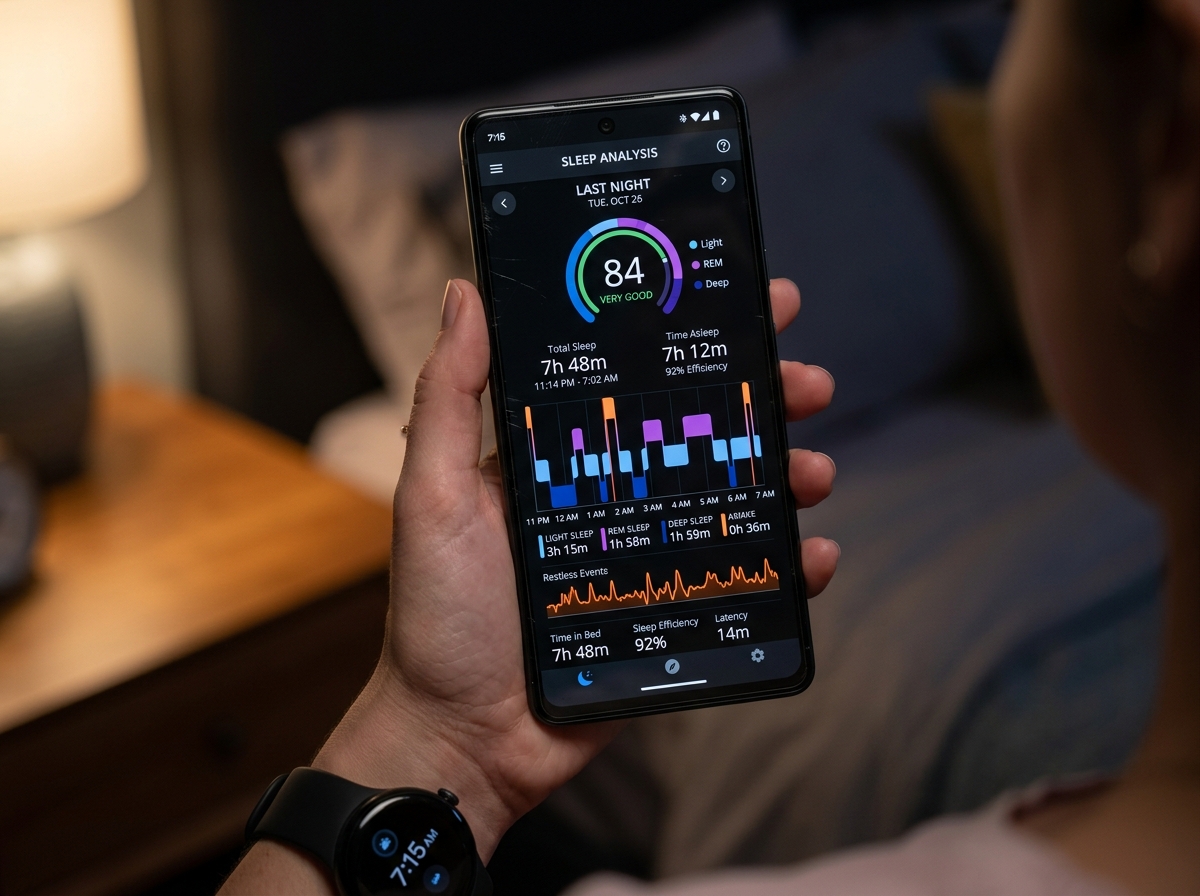
The sheer volume of data collected by sleep tracking watches offers unparalleled opportunities for consumer business insights. By analyzing user demographics, we can identify specific market segments with particular needs or preferences. For instance, athletes might prioritize recovery scores and detailed physiological metrics, while general wellness users might seek simpler sleep scores and actionable advice.
Personalization trends are a key driver in this market. Consumers expect devices that adapt to their unique patterns and offer tailored recommendations. This requires sophisticated algorithms that can learn from individual data over time, providing more accurate and relevant insights. Behavioral tracking allows companies to understand how users interact with their devices and apps, identifying features that drive engagement and those that need improvement.
Predictive analytics, powered by vast datasets, can forecast health trends, identify potential issues before they become critical, and even suggest interventions. For example, a watch might predict an upcoming dip in recovery based on sleep quality and suggest a lighter workout day. This proactive approach adds significant value to users and strengthens brand loyalty.
Engagement metrics are vital for assessing the success of a sleep tracking platform. How often do users check their sleep scores? Do they act on the recommendations? Are they consistently wearing their devices overnight? Answers to these questions help businesses refine their products, enhance the user experience, and ensure long-term customer retention. The ability to offer personalized insights that genuinely help users improve their sleep quality is a powerful differentiator in a competitive market.
Strategic Metrics and Accuracy in Sleep Monitoring
At the core of any effective sleep-tracking watch are the metrics it captures and the accuracy with which it captures them. Modern devices go far beyond simply recording “time asleep.” They delve into the intricate architecture of our nightly rest, aiming to provide a comprehensive picture of sleep quality.
Key among these metrics are the sleep stages: light, deep (slow-wave), and REM (Rapid Eye Movement). Each stage plays a vital role in physical restoration, memory consolidation, and emotional regulation. Watches use a combination of accelerometers (to detect movement), heart rate sensors, and, sometimes, other biometrics, such as skin temperature, to infer these stages. The challenge lies in accurately distinguishing these stages. While consumer trackers have made significant strides, they are not yet equivalent to clinical polysomnography (PSG), which remains the gold standard. PSG involves monitoring brain waves (EEG), eye movements (EOG), muscle activity (EMG), and other physiological signals in a controlled lab setting.
Research indicates that even the best consumer sleep trackers achieve around 80% accuracy in sleep staging compared to medical-grade assessments. This means that while they are excellent for tracking trends and providing a general overview of sleep patterns, their data should be taken “with a pinch of salt” when it comes to precise stage-by-stage breakdowns. Importantly, smartwatches often tend to overestimate total sleep time and underestimate wake after sleep onset, due to their high sensitivity for detecting sleep but lower specificity for wakefulness.
The 80% staging ceiling has a straightforward cause: wrist devices infer sleep from movement and heart rate rather than measuring the brain, which is what polysomnography actually does. Moving closer to PSG in a consumer form factor requires bringing EEG (electroencephalography) itself onto the body in something people will wear all night.
NextSense builds Smartbuds, earbuds with in-ear EEG sensors that record brain activity directly during sleep. In a peer-reviewed study in Bioelectronic Medicine, the in-ear signal reached substantial agreement with polysomnography for sleep staging (Cohen’s κ = 0.77). Because the measurement happens in real time, the device can also respond in the moment, adapting audio as sleep deepens to support slow-wave activity, the stage tied to physical recovery and memory. That shifts the category from a morning score toward a closed loop between measuring sleep and shaping it.
Beyond sleep stages, other crucial metrics enhance the utility of these devices:
- Heart Rate Variability (HRV): This measures the variation in time between heartbeats. A higher HRV generally indicates a well-rested and resilient autonomic nervous system, while a lower HRV can suggest stress, fatigue, or illness. Many watches track overnight HRV as a key indicator of recovery.
- Blood Oxygen Saturation (SpO2): Monitoring blood oxygen levels during sleep can be critical for detecting potential breathing disturbances. A dip in SpO2 can be an indicator of conditions such as sleep apnea, a serious disorder in which breathing repeatedly stops and starts.
- Breathing Regularity/Rate: Some devices track breathing patterns, noting irregularities or changes that could signal underlying issues.
- Skin Temperature: Newer models, like the Withings ScanWatch 2, offer continuous overnight temperature tracking. This can provide insights into sleep quality, illness onset, and, for women, even track menstrual cycle phases and ovulation.
- Sleep Score/Readiness Score: Many apps synthesize all these metrics into a single, easy-to-understand score that quantifies overall sleep quality and/or predicts the user’s readiness for the day’s activities.
The device’s form factor can also influence the type and accuracy of the data collected.
Device Type Pros for Sleep Tracking Cons for Sleep Tracking Wrist-Worn Watches Comprehensive data (HR, movement, SpO2, temp), integration with smart features, widely accepted. Can be bulky, battery life varies, less accurate for subtle movements than rings. Smart Rings Highly comfortable, minimal interference, excellent contact for HR/HRV/temp due to finger placement. Limited screen, fewer smart features, may require subscription for full data. Under-Mattress Sensors Non-wearable, unobtrusive, tracks sleep for couples, can detect snoring/movement. Less direct physiological data (no SpO2/HRV), less portable, accuracy can vary with mattress type. Bedside MonitorsNon-wearable, uses radar for movement/breathing, no contact needed. Limited to bedroom, no direct physiological data, privacy concerns (camera/mic). Smart Headbands Can include EEG for more accurate sleep stage detection, active sleep induction. Bulky, less comfortable for some, primarily sleep-focused. 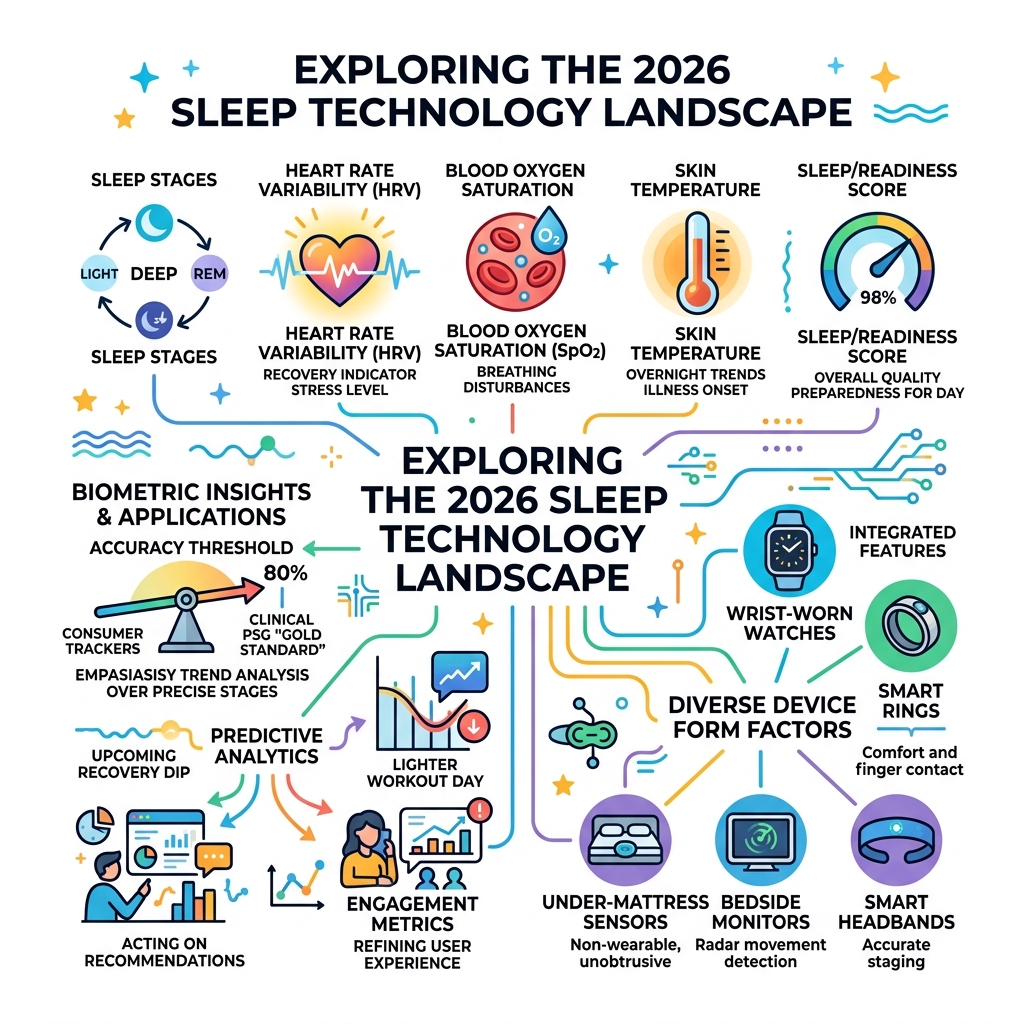
Operational Strategies: Battery Life and Subscription Models
For any wearable technology, especially those designed for continuous health monitoring, battery life is a critical factor influencing user experience and adoption. Sleep tracking watches present a unique challenge: they need to last through the night, and ideally, much longer, to avoid the inconvenience of daily charging.
We see a wide spectrum of power management solutions across the market. On the one hand, some full-featured smartwatches, such as the Apple Watch Series 11 and Google Pixel Watch 4, offer approximately 24 hours of battery life. This often necessitates a daily charging routine, which can be a hurdle for consistent overnight wear. Users must remember to charge their devices during the day, or they may miss out on activity tracking or notifications.
On the other end of the spectrum are devices like the Withings ScanWatch 2, boasting an impressive 35-day battery life. This extended longevity is often achieved through a hybrid design that combines analog watch hands with a discreet digital display and optimizes sensor usage. Such devices significantly reduce charging anxiety and promote continuous wear, both of which are essential for building a robust baseline of health data. Other devices, like the Garmin Venu series, offer 10-14 days, while the Samsung Galaxy Watch Ultra typically provides 30-40 hours. Advancements in fast-charging technology also play a role, with some watches reaching full charge in as little as 2 hours.
The business model for sleep tracking watches has increasingly shifted towards recurring revenue streams, primarily through subscription models. While the initial purchase of hardware provides a one-time revenue stream, subscriptions ensure a steady income stream and foster deeper engagement with the product ecosystem. Many advanced features, personalized insights, and access to historical data are now gated behind these memberships.
This approach transforms the product into a Hardware-as-a-Service offering. Users get the device, but the full value is unlocked through an ongoing relationship. This allows companies to continuously invest in software development, algorithm improvements, and new features, justifying the recurring cost.
Common subscription benefits often include:
- Advanced Metrics and Deeper Insights: Access to detailed graphs, long-term trends, and more granular data analysis (e.g., specific HRV metrics, deep dives into sleep stage consistency).
- Personalized Coaching and Guidance: AI-driven recommendations, tailored workout suggestions based on recovery, and actionable tips to improve sleep and overall wellness.
- Recovery and Readiness Scores: Proprietary algorithms that synthesize sleep, activity, and physiological data to provide a daily score indicating physical and mental readiness.
- Historical Data Storage and Analysis: Unlimited access to past data, allowing users to track progress over months or years.
- Exclusive Content and Programs: Guided meditations, sleep stories, educational resources, or specialized training plans.
- Priority Customer Support and Warranty Benefits: Enhanced support and extended warranty for subscribers.

This model allows companies to offer competitive upfront hardware pricing, knowing that the long-term value comes from the subscription. For consumers, it means continuous access to evolving features and insights that can genuinely help improve their health.
Future-Proofing Through Health-Driven Business Insights
The future of sleep-tracking watches is deeply intertwined with their ability to deliver increasingly sophisticated health-driven insights, moving beyond mere data collection to proactive health management. A significant area of focus is the detection of serious health conditions, particularly sleep apnea.
It’s estimated that 22 million Americans suffer from sleep apnea, and the majority don’t even realize it. This represents a massive unmet need for screening and early detection. Smartwatches like the Apple Watch Series 11 and Samsung Galaxy Watch Ultra have made significant strides here, having received FDA authorization for sleep apnea analysis features. It is crucial to understand that these are screening tools, not diagnostic devices. They can alert users to potential risks and prompt them to seek professional medical advice, but they cannot provide a definitive diagnosis.
This development marks a pivotal moment, bridging the gap between consumer electronics and clinical health. For businesses, it opens avenues for clinical integration, enabling healthcare providers to use data from wearables to monitor patients, assess treatment efficacy, and support preventive health strategies. The ability to offer at-home diagnostics, even if preliminary, empowers individuals to take a more active role in their health journey.
This trend extends to broader population health management. Aggregated, anonymized data from millions of users could provide invaluable insights into public health trends, the prevalence of sleep disorders, and the impact of lifestyle factors on sleep quality across different demographics. This information could inform public health campaigns, policy decisions, and the development of new interventions.
Navigating the Regulatory Landscape for Business Insights
As sleep tracking watches delve deeper into health monitoring, navigating the regulatory landscape becomes paramount. The distinction between a “wellness device” and a “medical device” carries significant implications for product development, marketing, and compliance.
FDA authorizations for features like sleep apnea screening are a testament to the rigorous testing and validation required to meet medical standards. Companies must invest heavily in clinical trials and data validation to secure such approvals. This process is complex and costly but essential for building trust and credibility in the healthcare sector.
Data privacy is another critical concern. Health data is highly sensitive, and companies must adhere to strict regulations (such as HIPAA in the US and GDPR in Europe) regarding its collection, storage, and sharing. Transparency with users about how their data is used, and robust security measures, are non-negotiable.
The diagnostic limitations of consumer devices must always be clearly communicated. Misleading consumers into believing a watch can diagnose a medical condition not only poses health risks but also carries legal and ethical implications. The emphasis must remain on screening and trend analysis, urging users to consult healthcare professionals for any suspected medical issues.
Developing robust compliance strategies is therefore integral to future-proofing businesses in this space. This includes understanding evolving regulations, implementing strong data governance policies, and ensuring that marketing claims are accurate and responsible. Furthermore, protecting intellectual property related to unique algorithms, sensor technologies, and health insights will be crucial for maintaining a competitive edge.
Frequently Asked Questions about Sleep Tracking Technology
How accurate are consumer sleep trackers compared to clinical tests?
Consumer sleep trackers have advanced significantly, using sophisticated sensors such as optical heart rate monitors, accelerometers, and, in some cases, temperature sensors to infer sleep stages (light, deep, REM), heart rate variability, and blood oxygen levels. Compared with the gold standard of clinical polysomnography (PSG), which measures brain waves, eye movements, and muscle activity, consumer trackers typically achieve around 80% accuracy in sleep staging.
While this level of accuracy is excellent for tracking personal trends and identifying consistent patterns in your sleep, it’s not considered diagnostic-grade. Smartwatches, for instance, often tend to overestimate total sleep time and underestimate the time you spend awake in bed. They are best viewed as powerful tools for self-monitoring and gaining a general understanding of your sleep architecture over time, rather than replacements for a professional medical evaluation if you suspect a sleep disorder.
Do most sleep tracking devices require a monthly subscription?
The trend towards subscription models for sleep tracking devices had become increasingly prevalent by April 2026. While many devices offer basic sleep-tracking features out of the box (such as total sleep time and general sleep stages), access to more advanced metrics, personalized insights, historical data, and coaching features often requires a recurring membership fee.
Companies like Oura, Whoop, and Withings+ are prominent examples of devices whose full potential is unlocked by a subscription. These memberships typically fund continuous software development, algorithm improvements, and the delivery of personalized recommendations that evolve with your data. For instance, a Whoop membership often includes the hardware and provides access to detailed recovery scores, strain analysis, and physiological insights. The value proposition for these subscriptions lies in the ongoing, actionable intelligence they provide, helping users not just track, but actively improve their sleep and overall health.
What is the average battery life for a sleep tracking watch in 2026?
The battery life of sleep tracking watches in 2026 varies significantly depending on the device’s design, features, and display technology. For full-featured smartwatches with vibrant displays and extensive smart capabilities, such as the Apple Watch Series 11 or Google Pixel Watch 4, you can typically expect around 24 hours of battery life. This usually necessitates charging the device daily, often during the day to ensure it’s ready for overnight wear.
On the other hand, hybrid smartwatches or dedicated fitness trackers that prioritize battery longevity can offer much longer durations. Devices like the Withings ScanWatch 2 stand out with an impressive 35-day battery life, achieved through a combination of an analog watch face, a small grayscale OLED display, and optimized sensor usage. Other fitness-focused watches from brands like Garmin can offer 10-14 days of battery life in smartwatch mode. The average, therefore, is broad, but users can generally expect anywhere from a single day to over a month, with fast-charging technology often reducing downtime to just a couple of hours.
Conclusion
The journey through sleep-tracking watches in April 2026 reveals a dynamic, rapidly evolving industry. We have seen how these devices have moved beyond simple step counting to offer profound insights into our nightly rest, leveraging advanced metrics like sleep stages, HRV, and SpO2. This technological leap is not just about personal wellness; it’s a goldmine of business insights, driving innovation, personalization, and new subscription-based revenue models.
From the meticulous accuracy debates against clinical polysomnography to the strategic considerations of battery life and recurring revenue, the landscape is rich with opportunities and challenges. The increasing integration of medical-grade features, such as FDA-authorized sleep apnea screening, underscores the industry’s potential to make a significant contribution to preventive and population health management.
As we look forward, the convergence of health and technology will only deepen. Sleep tracking watches will continue to become more sophisticated, offering even more precise data, predictive analytics, and personalized coaching. For consumers, this means more powerful tools to understand and improve their sleep quality. For businesses, it signifies a continuous need for innovation, ethical data management, and a keen understanding of evolving consumer needs to capture the long-term growth potential in this vital sector.
Discover more from The Cameron Journal
Subscribe to get the latest posts sent to your email.