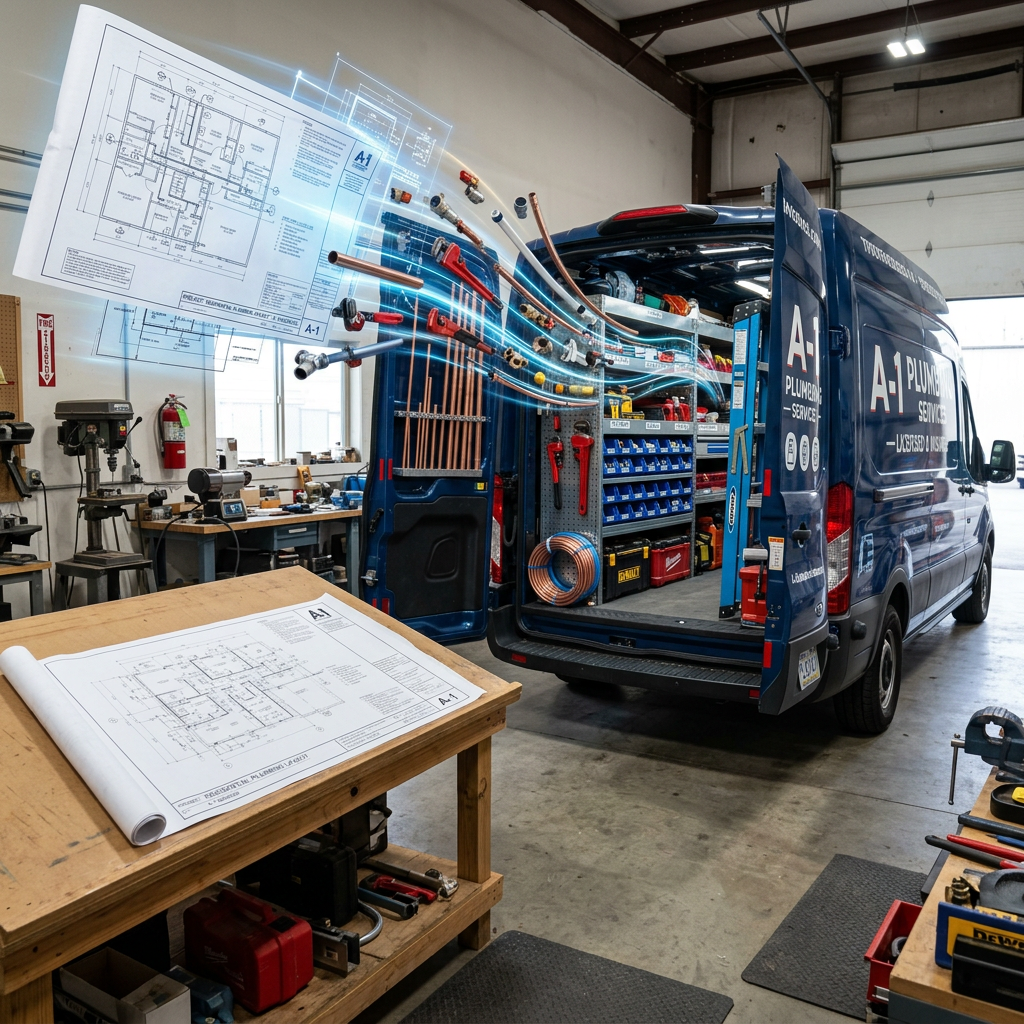
Key Takeaways
- Plumbing is a stable and rewarding career with clear advancement pathways.
- Key steps to entry include completing high school, participating in vocational programs, and completing apprenticeships.
- Obtaining state licensure is necessary to practice professionally and ensures adherence to safety and technical standards.
Table of Contents
- Educational Requirements
- Vocational Training
- Apprenticeship Programs
- Licensing and Certification
- Continuing Education and Specialization
- Job Outlook and Salary
- Starting Your Own Plumbing Business
- Conclusion
Embarking on a career in plumbing can open doors to job stability, financial growth, and the fulfillment of solving real-world problems. The plumbing profession is essential in every community, ensuring safe and efficient water systems for homes and businesses alike. Whether you are considering a career shift or just starting out, you can learn more about opportunities like the plumbing apprenticeship program offered by the Associated Builders and Contractors Heart of America Chapter to help guide your decision process.
To successfully enter this growing field, you’ll need to navigate the right steps from educational requirements to hands-on training and licensure. Plumbing is not just physically rewarding but also offers opportunities for continued learning and business ownership, making it an appealing choice for those who want long-term career satisfaction.
Educational Requirements
The first step towards a plumbing career is achieving a high school diploma or GED. High school courses in mathematics and science are particularly beneficial, as they foster problem-solving skills and technical ability. Classes such as physics and geometry help future plumbers understand the mechanics of water flow, pressure, and system design. Additionally, technical or shop classes can introduce students to tools and systems common in the plumbing industry, making the transition to formal training smoother.
Employers look for strong foundational skills in reading blueprints, basic algebra, and following safety procedures. Developing these abilities early on provides a competitive edge, as plumbing requires precision and attention to detail at every project stage.
Vocational Training
Once the educational foundation is set, many aspiring plumbers attend vocational or trade schools. These programs deliver hands-on instruction in critical subjects, including pipe system installation, safety codes, drainage and waste systems, and tool use. Some programs also offer welding classes, which are valuable for career paths like pipefitting and steamfitting. Investing in vocational training provides both the technical knowledge and the confidence needed to enter a plumbing apprenticeship.
Well-established trade schools and local community colleges are leading providers of plumbing programs. For more information on trade school options, you can refer to resources from the U.S. Bureau of Labor Statistics.
Apprenticeship Programs
The majority of professional plumbers refine their practical skills through structured apprenticeship programs. These combine paid on-the-job training with classroom study over 4 to 5 years. As apprentices, individuals learn from licensed plumbers, covering everything from pipe cutting and installation to understanding municipal codes and advanced problem-solving. Apprenticeships are often organized by unions, industry associations, or private companies, and they provide a critical bridge between school-based learning and independent professional work.
Applicants generally need to pass a basic aptitude test and physical assessment before entering an apprenticeship. The structured mentorship allows apprentices to earn a salary while building up experience, ensuring that graduates are workplace-ready and familiar with real-world plumbing challenges. To learn more about the structure of apprenticeships and career outlooks for various trades, you can visit the U.S. Bureau of Labor Statistics.
Licensing and Certification
Licensure is essential for plumbers in most states. Licensing requirements typically consist of a combination of education credentials, documented work experience, and passing a written examination that assesses knowledge of technical, legal, and safety principles. Some states also offer optional or required specialized certifications in areas such as backflow prevention or gas piping, which can expand a plumber’s scope of practice and earning potential. Staying up to date with your state’s licensing requirements is crucial to ensure legal compliance and promote client trust.
Continuing Education and Specialization
Advancing in the plumbing trade means engaging in ongoing education. Technology and building codes evolve, requiring plumbers to stay up to date through courses, workshops, and certifications. Plumbers can specialize in residential or commercial work, pipefitting, steamfitting, or even in emerging green plumbing technologies focused on water efficiency and sustainability. Continued learning supports professional growth, keeps skills sharp, and opens the door to supervisory or instructional roles within the industry.
Job Outlook and Salary
Demand for skilled plumbers remains strong due to ongoing construction, infrastructure upgrades, and maintenance and repair needs across residential and commercial properties. According to the U.S. Bureau of Labor Statistics, the employment of plumbers is expected to grow by 5 percent from 2024 to 2034, keeping pace with the national average for all occupations. The median annual wage for plumbers was $59,880 in 2024, with those holding certifications or operating their own businesses often earning substantially more. Geographic demand and specialization also influence earning potential, further enhancing career prospects.
Starting Your Own Plumbing Business
With experience and a solid professional reputation, many plumbers decide to open their own businesses. Running a plumbing business requires knowledge in operations management, marketing, and customer service in addition to technical skills. Essential steps include securing the necessary licenses and insurance, developing business plans, and building a reliable client base through networking and referrals. Having relationships with vendors and former colleagues serves as a foundation for business success and ongoing market support.
Conclusion
Choosing a career in plumbing can offer lifelong rewards, including financial stability, continuous learning, and the ability to make a direct impact in your community. By following the paths of education, training, licensure, and ongoing development, you can build a resilient, successful career in this vital trade. Those interested in advancing or changing their professional journey are encouraged to leverage educational programs and seek mentorship from seasoned professionals to further their growth.
Discover more from The Cameron Journal
Subscribe to get the latest posts sent to your email.