Table of Contents
- Plan for Success
- Embrace Batch Cooking
- Incorporate More Whole Grains and Legumes
- Prioritize Vegetables in Every Meal
- Opt for Healthier Cooking Methods
- Make Meal Times Enjoyable
- Limit Ultra-Processed Foods
- Stay Hydrated with Healthy Beverages
- Conclusion
Improving your daily meals does not have to mean drastic changes or sacrificing enjoyment. By introducing simple, effective strategies into your daily routine, you can make meals both healthier and more pleasurable. Whether you are cooking for a family, a partner, or yourself, small shifts can make a big impact. If you want to take the guesswork out of weekday eating, explore options like Catering Near Me for inspiration, fresh ideas, and delicious alternatives that support healthy choices.
Adopting even a few new habits can encourage better nutrition and satisfaction at mealtimes. Focusing on planning, preparation, and mindful choices sets the stage for lasting dietary improvements. These strategies can be tailored to personal tastes and preferences, making them accessible for everyone regardless of lifestyle or cooking skill. Healthy meals do more than fuel the body. They are an opportunity for creativity, comfort, and connection, transforming everyday routines into memorable experiences. Read on for straightforward tactics you can weave into your routine right away and discover how better meals are within easy reach.
Plan for Success
One of the easiest ways to eat better is to plan your meals ahead of time. Meal planning not only helps to ensure a balanced diet but also takes the stress out of weekday dinners and busy mornings. By mapping out meals, you can make smarter grocery choices and avoid last-minute decisions that might lead you to lean on less nutritious options. The Centers for Disease Control and Prevention (CDC) notes that spending even a few minutes each week planning meals at home leads to healthier food choices and reduces the temptation to order takeout or processed foods.
Embrace Batch Cooking
Batch cooking simplifies healthy eating, minimizes food waste, and saves both time and money. By preparing ingredients like grains, roasted vegetables, beans, or lean proteins in advance, you ensure there are always nourishing meal components on hand. Batch-cooked staples can be mixed and matched into salads, stir-fries, grain bowls, or quick soups. Experts at Harvard Health recommend preparing healthy foods in advance to ensure convenient, ready-to-eat meals without the need for excessive daily planning.
Incorporate More Whole Grains and Legumes
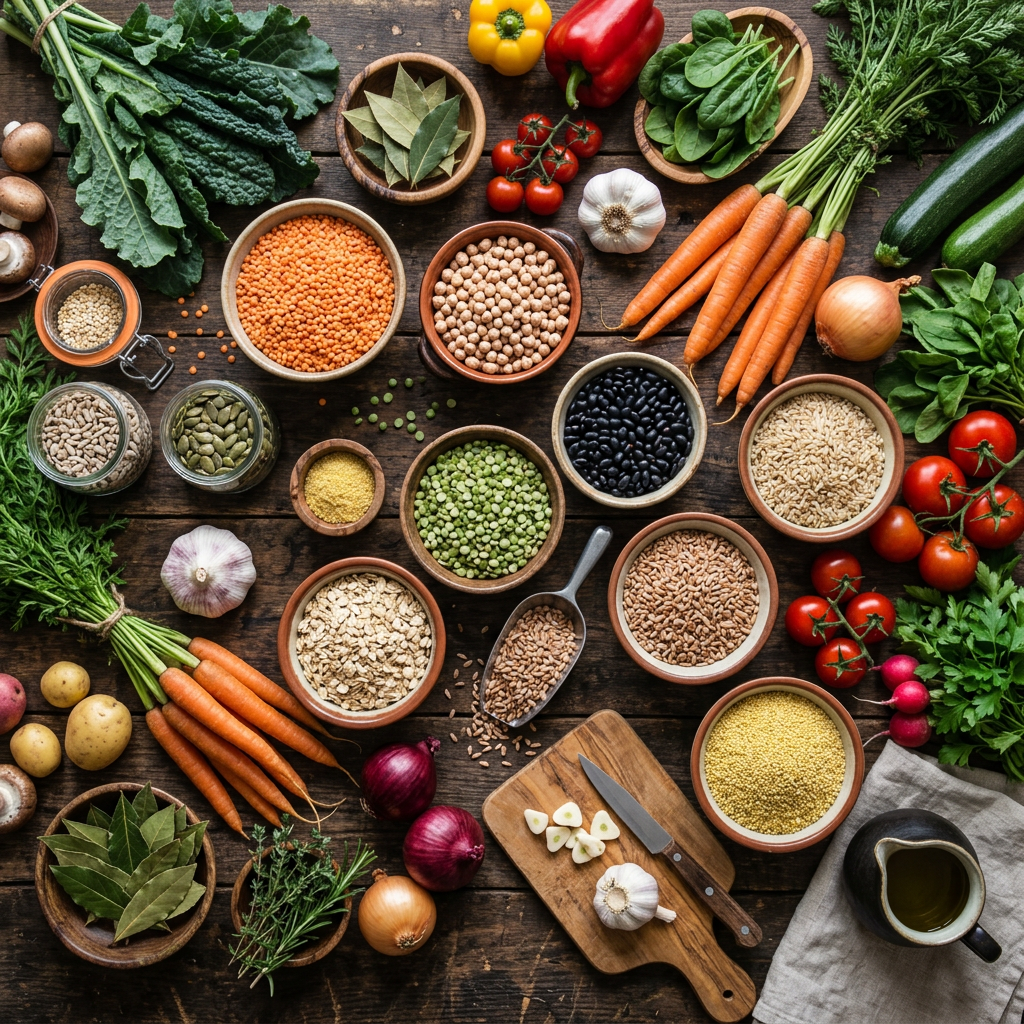
Swapping out refined grains for whole grains and regularly adding legumes like lentils, beans, or chickpeas boosts your fiber intake and helps you feel fuller longer. According to the National Institutes of Health (NIH), these foods are rich in vitamins, minerals, and plant-based proteins, which support digestion and sustained energy throughout the day. Try incorporating quinoa, farro, barley, or black beans into salads, soups, and stews for added nutrition.
Prioritize Vegetables in Every Meal
Vegetables are key to a nutrient-rich diet, and making them the star of every meal is one of the most effective strategies for healthier eating. Start by adding an extra serving to your lunch and dinner, or blend a handful of greens into a morning smoothie. Not only do vegetables add color and flavor, but they also supply essential vitamins, minerals, and antioxidants, promoting long-term well-being. For a balanced approach, aim for a variety of colors and textures to keep meals interesting and satisfying. Advice from the Harvard T.H. Chan School of Public Health encourages making vegetables half your plate for optimal benefits.
Opt for Healthier Cooking Methods
How you cook your food is just as important as what you cook. Healthier techniques like steaming, grilling, roasting, or baking help retain nutrients and often require less added fat or oil. Changing your cooking method can transform vegetables and proteins into flavorful, lower-calorie meals without sacrificing taste.
Make Meal Times Enjoyable
Setting aside time to eat in a pleasant atmosphere can turn meals into a positive daily ritual. Whether you are sharing dinner with loved ones, dining with friends, or simply enjoying a quiet solo meal, creating a relaxing and inviting space encourages mindful eating. Light music, a nicely set table, or even candles can set the right tone.
Limit Ultra-Processed Foods
Cutting back on ultra-processed foods is an effective way to reduce excess intake of unhealthy fats, sugars, and sodium. These foods, which often include packaged snacks, convenience meals, and sugary drinks, can undermine even the best intentions for healthy eating.
Stay Hydrated with Healthy Beverages
Proper hydration underpins every aspect of good health. Instead of sugary sodas or energy drinks, reach for water, herbal teas, or naturally flavored waters with a few slices of citrus or fresh herbs. These choices keep you hydrated without adding empty calories while supporting digestion, energy, and mental focus. Bringing together strategies such as meal planning, batch cooking, prioritizing whole foods, and making mealtimes enjoyable can revolutionize your everyday eating routines. Start with one or two habits and build from there. With a few thoughtful changes, your meals can become healthier, more convenient, and infinitely more enjoyable.
Conclusion
Transforming your daily meals doesn’t require a complete overhaul; it just takes a series of intentional, manageable changes. By planning, embracing batch cooking, focusing on whole foods, and prioritizing vegetables, you create a routine that supports both health and convenience. Pairing these habits with mindful cooking methods, enjoyable mealtimes, and reduced reliance on ultra-processed foods helps build a sustainable approach to eating well. Over time, these small adjustments add up, turning everyday meals into nourishing, satisfying experiences that benefit both your body and your lifestyle.
Discover more from The Cameron Journal
Subscribe to get the latest posts sent to your email.