
Table of Contents
- Conduct a Trash Audit
- Embrace the 5Rs: Refuse, Reduce, Reuse, Recycle, Rot
- Opt for Reusable Products
- Buy in Bulk
- Upcycle and Repurpose
- Compost Organic Waste
- Use Smart Home Technology
- Educate and Involve Family Members
- Conclusion
Maintaining a tidy and sustainable home begins with how you handle your day-to-day waste. By approaching waste reduction intentionally, you can not only keep your living space clean but also help the planet. Adopting straightforward strategies makes it easier to minimize clutter and promote recycling and responsible disposal with every choice. If you have large or bulk waste that regular collection cannot handle, consider professional help, such as junk removal Fort Lauderdale to ensure proper, eco-friendly disposal.
Taking steps now to manage household waste creates an immediate impact and sets a lasting example for your family. Small changes in how you sort, store, and dispose of items can quickly translate into real benefits for your wallet and peace of mind.
Household waste is more than just a nuisance. If left unchecked, it contributes to local landfills, puts pressure on municipal waste systems, and causes health issues in communities. Smart disposal means making conscious choices to keep unnecessary items out of your bin and divert useful materials for reuse, recycling, or composting.
Taking control of your home’s waste also means examining your consumption habits. Buying less, choosing well, and prioritizing products with minimal or biodegradable packaging are just some ways to make a difference, one purchase at a time.
Conduct a Trash Audit
One of the first steps towards effective waste reduction is understanding what you throw away. A trash audit involves sorting through your regular household waste for a week. Keep track of which items fill up your garbage bags most frequently and identify which are recyclable, compostable, or single-use. This hands-on approach reveals where you can target your efforts for the biggest impact.
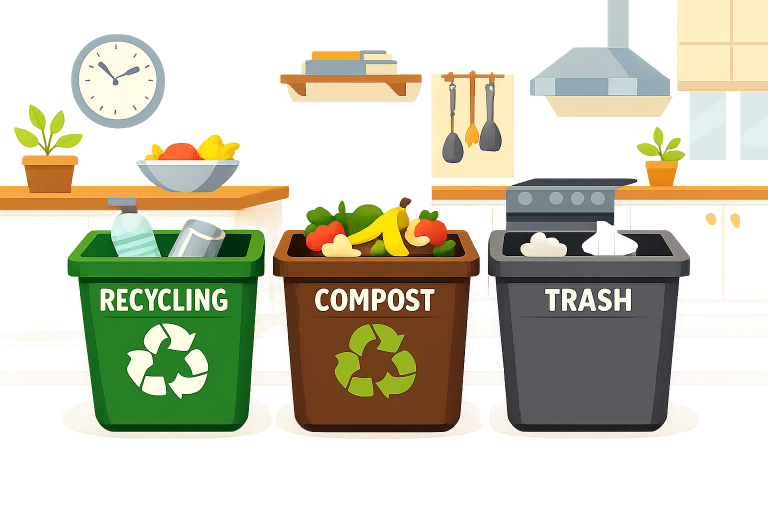
Embrace the 5Rs: Refuse, Reduce, Reuse, Recycle, Rot
The 5Rs are a framework for minimizing waste before it ever makes it to the curb:
- Refuse: Say no to items you do not need. Reject single-use plastics or promotional freebies that end up as clutter.
- Reduce: Scale back on what you buy. Choose products with less packaging and buy only what you need.
- Reuse: Choose reusable containers, bottles, and bags over disposable ones. Give items new life instead of tossing them after one use.
- Recycle: Learn the ins and outs of your city’s recycling program. Keep items clean and sorted so they truly get recycled.
- Rot: Compost food scraps and yard waste to return nutrients to the soil instead of sending them to a landfill.
Families that routinely use the 5Rs quickly notice less waste in their bins and more purposeful use of items at home.
Opt for Reusable Products
Simple swaps throughout your house make a big difference over time. Select cloth napkins rather than paper ones, stainless steel water bottles over plastic, and glass storage containers instead of single-use plastic bags. Bring reusable totes when you shop, or keep canvas bags in the car to avoid impulse purchases of new disposable bags. Reusable replacements reduce what you throw away and save money in the long run.
Buy in Bulk
Purchasing food and household items in bulk, rather than in individual packaging, is a straightforward way to reduce plastic and cardboard waste. Many grocery and specialty stores allow shoppers to bring their own containers for grains, dried fruit, or laundry soap. Check your community’s health regulations and store policies before bringing containers with you. This approach not only reduces waste but also helps lower costs over time, since bulk purchases are often less expensive per unit.
Upcycle and Repurpose
Before you throw out glass jars, cardboard boxes, or old clothing, consider how they could be used again. Glass jars are perfect for storing pantry staples, making DIY crafts, or holding homemade sauces. Worn T-shirts become dust rags or cleaning cloths. Upcycling is an eco-friendly and creative way to breathe new life into household items, reducing the need to buy replacements and lowering landfill volume.
Compost Organic Waste
Organic materials such as vegetable peels, coffee grounds, and eggshells make up a significant portion of household waste. Composting these items outside in a garden bin or inside with a compact compost pail keeps them out of the landfill and feeds your soil. Composting is low-effort and returns valuable nutrients to your garden. According to the Environmental Protection Agency, backyard and small-scale composting can significantly reduce household waste volume and improve soil quality.
Use Smart Home Technology
Modern homes can leverage technology to reduce both waste and energy costs. Smart thermostats manage heating and cooling, while programmable lights and efficient appliances help shrink utility bills and the home’s carbon footprint. For example, motion-sensor lights ensure energy is used only when needed. These devices may require an initial investment, but with ongoing savings, they quickly pay for themselves.
Educate and Involve Family Members
Waste reduction works best when every household member is involved. Turn waste audits and recycling into team projects, assign compost or sorting tasks, and keep everyone informed on best practices. Celebrate milestones together, and help children form sustainable habits early. When all family members participate, the new habits become second nature, and your home achieves real, lasting results.
Conclusion
Reducing household waste starts with small, deliberate habits that develop into a sustainable way of living. Techniques such as reusing, composting, and applying the 5Rs reduce waste, save money, and help organize your space. These actions benefit the environment and encourage mindful consumption. When everyone gets involved, waste reduction becomes a collective responsibility that strengthens routines and environmental consciousness. In the end, adopting proper disposal habits leads to a cleaner home, a healthier community, and a more sustainable future.
Discover more from The Cameron Journal
Subscribe to get the latest posts sent to your email.