Key Takeaways
- Project-based STEM learning gives students practice applying academic ideas to useful challenges.
- Strong projects connect subjects while keeping learning goals clear and measurable.
- Research, testing, feedback, and revision matter as much as the final product.
- Meaningful STEM learning can happen with simple materials and well-planned questions.
- Assessment should recognize both subject knowledge and the process used to solve a problem.
Project-based STEM learning asks students to use science, technology, engineering, and math to investigate a question or improve something they can recognize in everyday life. For families comparing high schools offering advanced STEM programs in Sandy, it is helpful to look beyond course names and consider whether students have regular opportunities to research, create, test, explain, and improve their ideas.
In 2026, effective STEM learning is not limited to robotics labs or expensive devices. Students can learn through a water-filter prototype, a school-garden plan, a coding model, or a redesign of a shared space. The key is a purposeful challenge that makes classroom knowledge useful.
What Project-Based STEM Learning Means
A hands-on activity can be valuable, but a full project goes beyond following directions to make a single item. It begins with a question, problem, or design challenge. Students gather information, make a first attempt, test results against criteria, and explain what they would change. The final model, presentation, or proposal is evidence of learning, not the only purpose of the work.
Why Real-World Problems Make Learning Stick
Students often engage more deeply when they understand why a lesson matters. Designing a low-cost water filter, for example, gives measurement, material properties, data collection, and communication a shared purpose. Mistakes become useful information when students examine why a design did not work and revise it, rather than simply moving on.
How Subjects Work Together
Interdisciplinary projects should not blur learning expectations. Instead, they should make each subject’s contribution visible. In one schoolyard design challenge, students might use:
- Science to study heat, shade, plants, and surface materials.
- Mathematics is used to measure spaces, compare temperatures, estimate quantities, and calculate costs.
- Technology to organize research, graph findings, create visuals, or present recommendations.
- Engineering to design, build, test, and revise a possible solution.
- Language Arts and Social Studies to evaluate sources, write evidence-based proposals, and consider community priorities.
A Simple Framework for Building a STEM Project
- Choose a useful question. Begin with a problem students can observe, discuss, or investigate locally.
- Set two to four learning goals. Identify the concepts and skills students should demonstrate.
- Plan research. Decide what students need to read, measure, observe, interview, or compare.
- Create a first solution. Students may sketch, model, code, write, or build a prototype.
- Test fairly. Use clear criteria and consistent conditions to evaluate the work.
- Revise the design. Treat improvement as an expected part of the process.
- Share results. Ask students to explain their evidence, limitations, decisions, and next steps.
A computational inquiry partnership involving middle and high school learners illustrates how programming, data analysis, modeling, and real-world STEM questions can work together. Projects do not need to use every available digital tool, but technology should help students investigate, create, or communicate with greater clarity.
Skills Students Can Practice
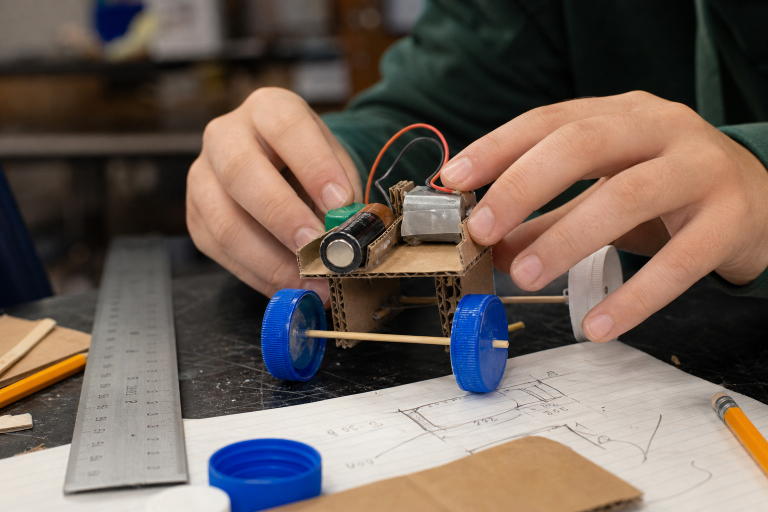
Projects do not automatically build every skill. Growth depends on direct instruction, useful feedback, clear roles, and enough time to practice. With those supports, students can strengthen problem-solving, critical thinking, data analysis, written and spoken communication, teamwork, planning, persistence, and ethical decision-making when working with information or technology.
Ways to Assess Project Work
A polished final product should not be the only grade. A balanced assessment plan can include:
- Knowledge checks that confirm understanding of core concepts.
- Process notes such as research logs, calculations, drafts, code, and design changes.
- A performance rubric for accuracy, reasoning, collaboration, creativity, and communication.
- Student reflection on what succeeded, what failed, and what should happen next.
- A public explanation that requires students to present evidence and answer questions.
How to Support Different Learners
Accessible project work offers more than one way to participate and show understanding. Teachers and families can provide visual directions, short checklists, smaller milestones, vocabulary support, and choices in materials or presentation formats. Students may communicate through a model, a diagram, a speech, a video, or a written report. Mixed group roles also help ensure that research, building, organizing, testing, and presenting all count as meaningful contributions.
How Families Can Support STEM Learning
Families do not need specialized equipment to reinforce STEM habits. Ask, “What problem are you trying to solve?” Encourage children to predict, measure, compare, and explain daily events. Safe challenges with recycled materials, rulers, notebooks, and household objects can develop the same habits of testing and revision used in larger projects. Libraries, parks, museums, and community learning events can provide fresh questions to explore.
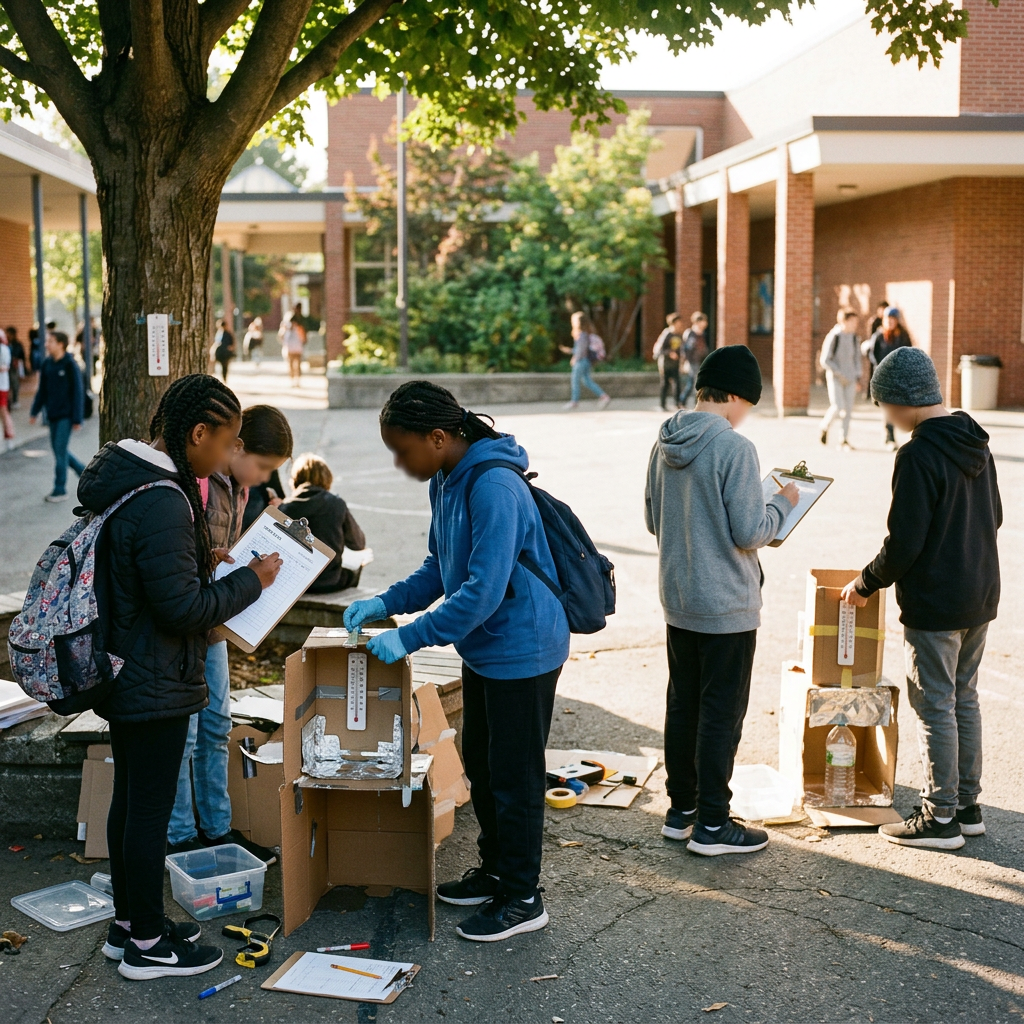
Practical Example: Design a Cooler Schoolyard
Students can measure sunny and shaded areas, compare surface temperatures, research trees or shade structures, estimate costs, and create a design proposal for a cooler outdoor space. They can also discuss tradeoffs involving maintenance, accessibility, water use, and budget. This approach reflects how place-based STEM projects tied freshwater learning to community needs, showing that local issues can create meaningful academic work.
Common Questions
Does Project-Based Learning Replace Direct Instruction?
No. Students often need short lessons, demonstrations, worked examples, and guided practice before they can independently complete a complex challenge.
Do STEM Projects Need Expensive Technology?
No. Paper prototypes, recycled materials, simple measurement tools, and notebooks can support rigorous goals when the question and assessment are clear.
How Long Should a STEM Project Last?
A focused project may take several class periods, while a deeper investigation can continue for several weeks. The timeline should match the learning goals.
How Can Teachers Keep Projects on Track?
Use visible deadlines, small checkpoints, assigned roles, clear rubrics, and brief progress meetings to help students manage the work.
Can Project-Based STEM Work Support Career Readiness?
Yes. Students practice planning, teamwork, evidence-based communication, and problem-solving, which can support many future academic and career paths.
Conclusion
Flashy tools or complicated products do not define effective project-based STEM learning. It begins with a clear question, builds on useful knowledge, includes careful testing and feedback, and gives students a chance to explain their reasoning. These experiences can help students see learning as something they use, improve, and carry beyond the classroom.
Discover more from The Cameron Journal
Subscribe to get the latest posts sent to your email.