Key Takeaways
- IPL photofacials use broad-spectrum light to target skin imperfections.
- They effectively treat sun damage, redness, and uneven skin tone.
- The procedure stimulates collagen production, enhancing skin elasticity.
- Minimal downtime makes IPL a convenient option for skin rejuvenation.
Table of Contents
- Understanding IPL Photofacials
- Benefits of IPL Photofacials
- The IPL Treatment Process
- Who Can Benefit from IPL Photofacials?
- Preparing for an IPL Session
- Post-Treatment Care and Results
- Potential Risks and Considerations
- Conclusion
Intense Pulsed Light (IPL) photofacials have surged in popularity among individuals eager to rejuvenate their appearance without the commitment of surgical procedures or extended recovery periods. Utilizing advanced technology, IPL addresses a variety of common skin concerns that often come with aging or sun exposure. Understanding the benefits of IPL laser treatments can help you determine whether this non-invasive approach is the right choice for achieving a more luminous, youthful complexion.
Understanding IPL Photofacials
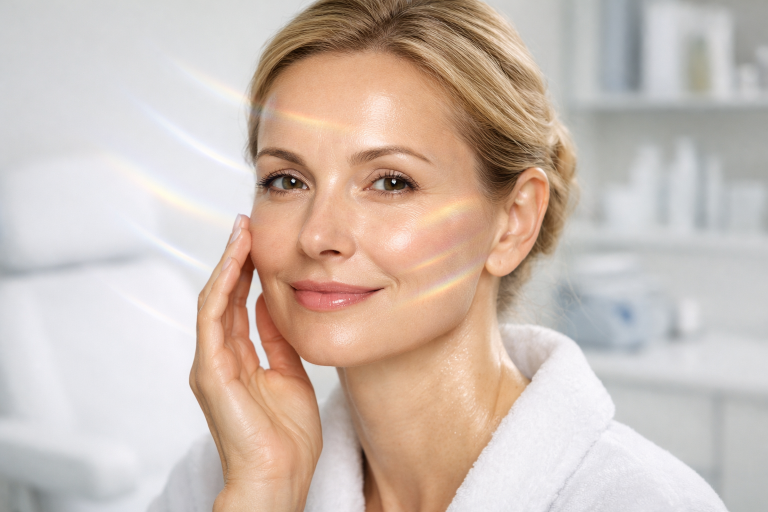
IPL photofacials channel pulses of broad-spectrum light deep into the skin to address pigmentation irregularities and vascular conditions. Unlike lasers, which emit a single focused wavelength, IPL emits multiple wavelengths of light that are selectively absorbed by pigmented and vascular lesions. This multi-target approach makes IPL especially effective for treating sun spots, redness, rosacea, and uneven pigmentation within the same session. Patients benefit from visible improvements in both skin tone and overall texture as the body naturally sheds damaged skin cells and begins a healing process that produces new, healthy skin.
Benefits of IPL Photofacials
There are numerous upsides to incorporating IPL photofacials into a skincare routine:
- Reduction of Sun Damage: Targeted light breaks down clusters of melanin, resulting in the fading of sun spots and hyperpigmentation over time.
- Improvement of Redness and Rosacea: IPL’s capability to coagulate superficial blood vessels leads to reduced redness and visible capillaries, significantly easing symptoms for those affected by rosacea.
- Enhanced Skin Texture: Collagen production is stimulated by the light energy, which helps correct fine lines and textural inconsistencies for smoother, firmer skin.
- Minimal Downtime: Most IPL sessions conclude with only minor redness or swelling, allowing patients to quickly resume daily life with minimal interruption.
The IPL Treatment Process
The typical IPL session involves a handheld device delivering controlled light pulses to the designated treatment areas. Patients often report feeling a sensation similar to a rubber band snap during each pulse. Depending on the size of the treatment area, appointments generally last between 15 and 30 minutes. A series of three to five sessions, spaced three to four weeks apart, is usually recommended for best results. These procedures can be performed comfortably and safely in a dermatologist’s office or medical spa. Trusted publications like Healthline offer comprehensive explanations of the step-by-step IPL experience and what to expect during your visit.
Who Can Benefit from IPL Photofacials?
IPL is most suitable for individuals with fair to medium skin tones looking to resolve specific concerns such as:
- Sun damage, freckles, and age spots
- Redness, facial vessels, and rosacea
- Uneven pigmentation and mild acne scars
- Early fine lines and textural issues
However, those with darker skin tones or certain dermatological conditions are advised to consult a board-certified dermatologist to assess individual suitability and minimize risks.
Preparing for an IPL Session
- Avoid sun exposure and the use of tanning products for at least two weeks prior to your session.
- Stop using retinoids, alpha hydroxy acids, and other photosensitizing agents, as directed by your provider.
- Arrive with clean skin, free from cosmetics, lotions, and deodorants to optimize results and safety.
Post-Treatment Care and Results
- Apply sunscreen daily and minimize sun exposure while healing.
- Use only gentle, non-irritating products on the treated area for several days post-treatment.
- Expect temporary redness or mild swelling, which dissipates within a few hours to a couple of days.
- Gradual improvements are most evident several weeks after each session, with maximum benefits seen after a complete series.
Potential Risks and Considerations
- Temporary redness, swelling, or darkening of pigment before it flakes off.
- In rare cases, blistering, bruising, or changes in pigmentation may occur, particularly among those with darker skin tones or inadequate pre-treatment care.
- Selecting a qualified and experienced provider is essential to reduce risk and ensure desired results.
Conclusion
IPL photofacials provide a versatile and effective solution for those seeking a brighter, clearer, and more youthful complexion. By addressing a wide range of common skin issues in a minimally invasive manner, IPL continues to be a highly regarded option in cosmetic dermatology. Prospective patients should always consult a licensed professional to create a treatment plan tailored to their specific needs and goals.
Discover more from The Cameron Journal
Subscribe to get the latest posts sent to your email.