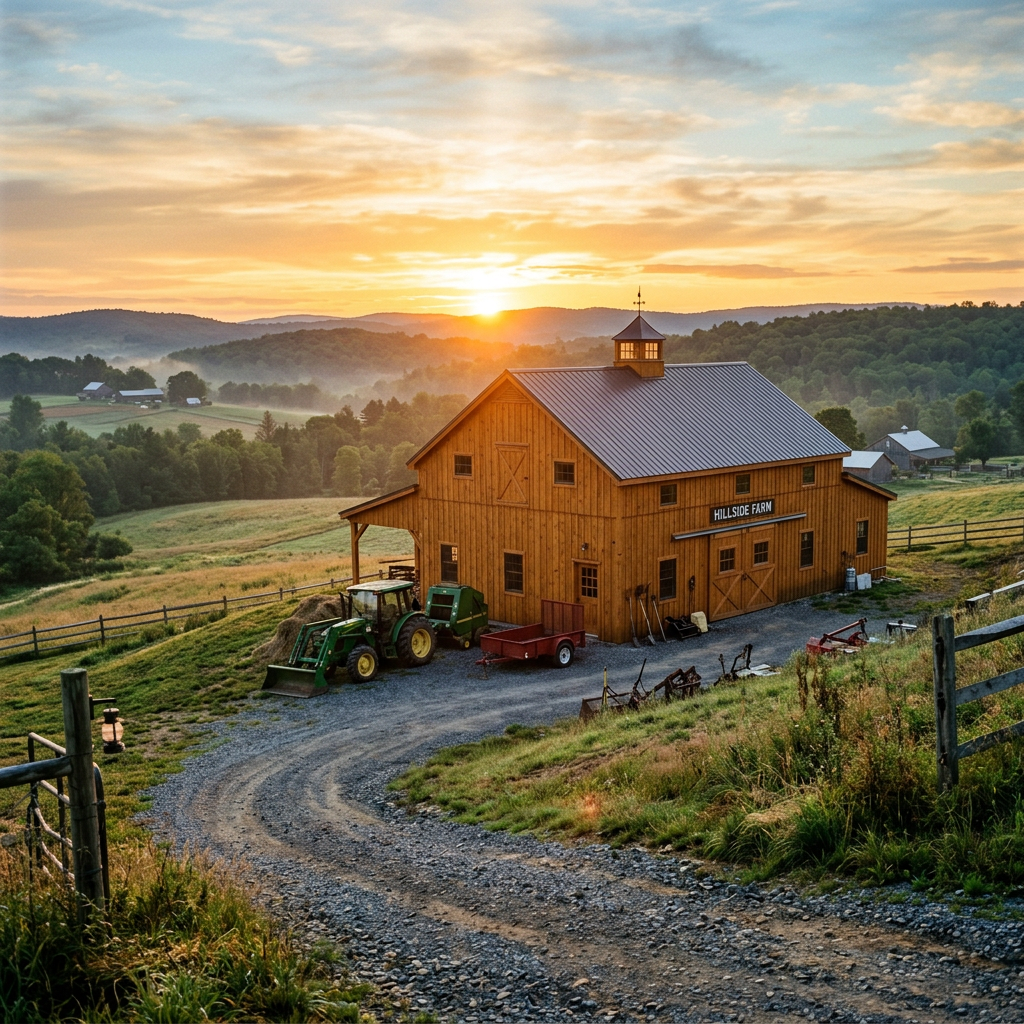
Building a barn is an exciting investment, whether you need extra storage, livestock housing, equipment protection, or a dedicated workspace. However, many first-time buyers quickly discover that choosing a barn involves much more than picking a design and scheduling delivery.
From site preparation to future storage needs, several important factors can affect your budget, timeline, and overall satisfaction with the finished structure. Learning from the experiences of other barn owners can help you avoid costly mistakes and make more informed decisions.
Here are five things first-time barn buyers often wish they had known before building.
1. Not All Building Sites Are Ready for a Barn
One of the most common surprises for first-time buyers is discovering that the building site requires significant preparation before construction can begin.
A barn is only as strong as the foundation beneath it. Uneven terrain, poor drainage, soft soil, and accessibility issues can create challenges that delay installation and increase costs.
Before placing an order, evaluate:
- Ground slope and grading requirements
- Drainage patterns during heavy rain
- Soil stability
- Utility locations
- Access routes for delivery vehicles and equipment
Proper site preparation helps prevent future issues such as water damage, settling foundations, and structural stress.
Many buyers focus heavily on the barn itself while underestimating the importance of the property where it will be installed. Taking the time to prepare the site properly can save significant money and frustration later.
2. Local Regulations Can Impact Your Project
Permits and zoning regulations vary considerably depending on location. Some buyers assume that because a barn is considered an agricultural structure, permits are unnecessary. In reality, local requirements may still apply.
Before purchasing a building, contact your local planning department and ask about:
- Zoning restrictions
- Property setbacks
- Height limitations
- Permit requirements
- Utility regulations
- Agricultural exemptions
These conversations can help prevent delays after your purchase.
This is especially important for anyone considering their first time buying a prefab barn in Indiana, where county and municipal requirements may differ from one area to another. Understanding delivery access, permitting expectations, and local building codes in advance can make the entire process much smoother.
A few phone calls before construction begins can prevent expensive modifications later.
3. Choosing the Wrong Barn Style Can Create Long-Term Problems
Many first-time buyers select a barn primarily based on its appearance. While aesthetics matter, functionality should be the primary consideration.
Different barn styles are designed for different purposes. A structure that works well for equipment storage may not be ideal for livestock, workshops, or hobby spaces.
Before choosing a design, ask yourself:
What will the barn be used for?
Consider both current and future needs. Many property owners eventually expand their use of the building.
How much equipment needs to fit inside?
Measure tractors, trailers, implements, and other large items rather than estimating.
Will animals be housed in the structure?
Ventilation, stall configurations, and accessibility become much more important when livestock is involved.
Do you need workspace areas?
Many owners eventually add workshops, tack rooms, feed storage areas, or office space.
Taking time to evaluate these needs before construction can help you select a layout that remains practical for years to come.
4. Planning for Future Storage Matters More Than You Think
One of the most frequent regrets among barn owners is not building enough storage space from the beginning.
It’s common to focus on immediate needs while overlooking future growth. Equipment collections expand, seasonal supplies accumulate, and hobbies evolve.
When planning your barn, think beyond today’s requirements.
Questions worth considering include:
- Will you purchase additional equipment later?
- Do you need space for feed or hay storage?
- Will seasonal items require indoor protection?
- Could the building serve multiple purposes in the future?
This consideration becomes especially important for buyers considering their first time buying a horse barn with loft, since loft areas can provide valuable storage space without increasing the building’s footprint. A well-designed loft can accommodate hay, supplies, and equipment while keeping the main floor organized and functional.
Building slightly larger than your current needs often proves more cost-effective than trying to expand later.
5. The Lowest Price Isn’t Always the Best Value
Budget is an important consideration, but focusing solely on the lowest upfront cost can lead to disappointment.
A barn is a long-term investment that should provide decades of reliable use. Factors such as construction quality, materials, engineering, and quality often have a greater impact on value than the initial purchase price.
When comparing options, evaluate:
Materials
Higher-quality lumber, roofing, siding, and fasteners often provide better durability and lower maintenance costs.
Design Features
Features such as ventilation systems, insulation options, wider doors, and reinforced framing can improve long-term usability.
Warranty Coverage
Review what is covered and for how long.
Builder Reputation
Look for customer reviews, completed projects, and examples of previous work.
The goal is not simply to find the cheapest building. It’s to find a structure that meets your needs while delivering reliable performance over time.
Final Thoughts
Building your first barn can be a rewarding experience, but careful planning makes all the difference. Site preparation, local regulations, barn style selection, storage planning, and construction quality all play critical roles in the success of your project.
By understanding these factors before construction begins, you’ll be better equipped to make informed decisions and avoid many common mistakes first-time buyers encounter.
A well-planned barn doesn’t just meet today’s needs. It provides flexibility, functionality, and value for years to come.
Discover more from The Cameron Journal
Subscribe to get the latest posts sent to your email.