Key Takeaways
- There is no single powertrain that is right for every driver.
- Gas vehicles provide familiar fueling and broad flexibility.
- Hybrids can lower fuel use without requiring regular charging.
- Plug-in hybrids combine electric commuting with gasoline backup.
- EVs are often most convenient when home or workplace charging is available.
- Total ownership cost matters more than the monthly payment alone.
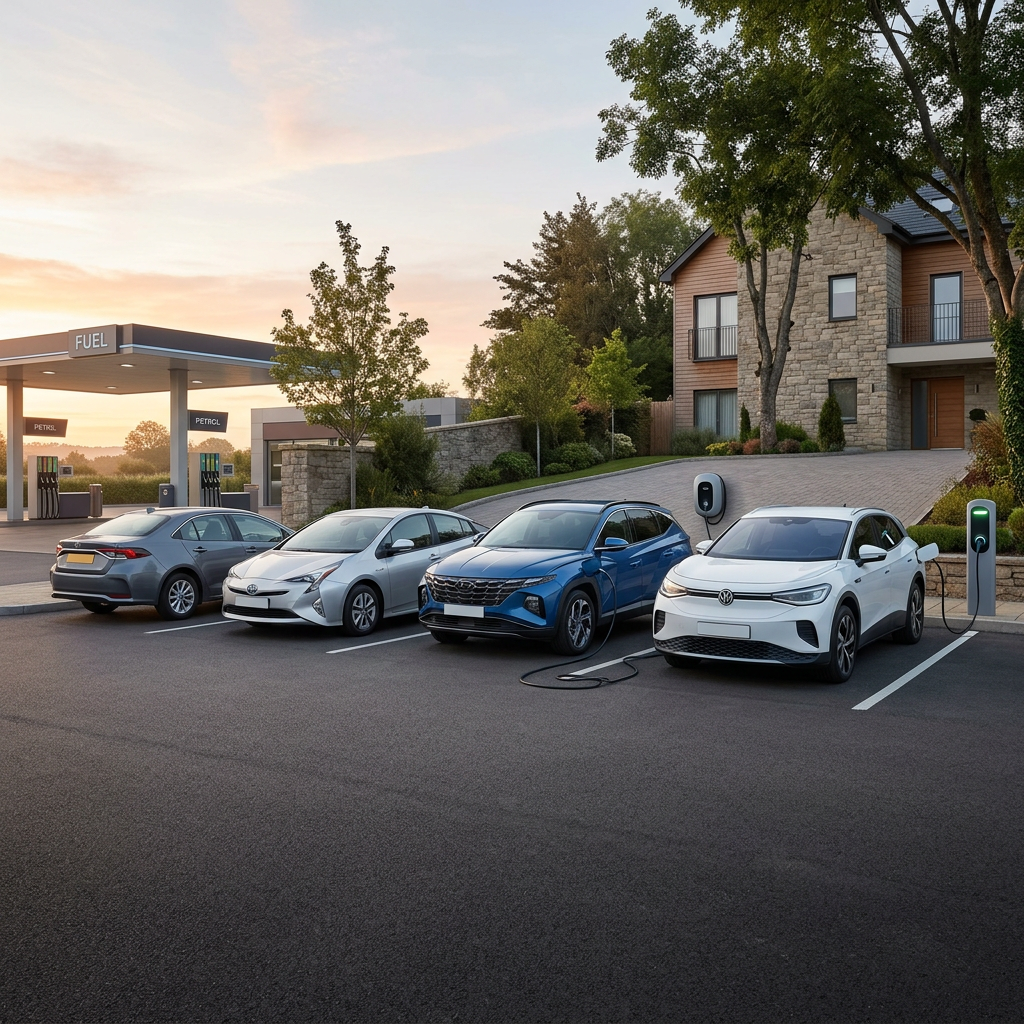
Choosing a vehicle in 2026 means looking beyond color, cargo space, and the payment shown on a window sticker. Gas, hybrid, plug-in hybrid, and electric vehicles all solve different problems for different drivers. Whether you are replacing a commuter car, shopping for a family vehicle, or planning for future road trips, Learn More about the available powertrain options before narrowing your list.
Why Powertrain Choice Matters
Today’s shoppers can choose from more electrified vehicles than ever, but a newer powertrain is not automatically a better fit. Fueling, charging, maintenance, insurance, range, financing, and resale value can all affect the experience. The most practical vehicle is usually the one that fits your real routine, not the one with the most impressive advertisement. A short suburban commute, for example, creates different needs than weekly highway travel, towing, or a household with no private parking. Before comparing models, consider where you drive, how far you typically travel on a normal day, and whether charging will be simple or inconvenient.
Gas Vehicles: Familiar And Flexible
Traditional gas-powered vehicles remain a sensible choice for many people. They can be refueled quickly almost anywhere, typically offer straightforward long-distance travel, and come in a wide range of new and used body styles. For drivers who want to make frequent road trips without planning charging stops, that familiarity can be valuable.
Gas Vehicles May Fit Drivers Who:
- Take frequent long-distance trips or drive in rural areas.
- Need fast refueling during busy days.
- Do not have dependable charging access.
- Want the broadest possible choice of new and used vehicles.
- Need particular towing, cargo, or work-vehicle capabilities.
The tradeoff is ongoing gasoline spending and generally more routine mechanical service. Oil changes, engine-related repairs, and fuel price swings should be factored into the long-term budget, even when the purchase price looks attractive.
Hybrids: Better Efficiency Without A Plug
A conventional hybrid pairs a gasoline engine with an electric motor and battery. It captures energy during braking and then uses it to assist the gas engine. Because it charges itself while driving, a hybrid does not require a wall outlet or public charger. Hybrids can be especially useful for city traffic, school drop-offs, errands, and stop-and-go commuting. They still offer the familiar range and refueling process of a gas vehicle, while using less fuel in many everyday situations. Understanding the differences among hybrid and electric systems can help shoppers avoid confusing a conventional hybrid with a plug-in model.
Hybrids May Fit Drivers Who:
- Want lower fuel use without changing daily habits.
- Spend substantial time in traffic or around town.
- Live in an apartment or lack a dedicated charger.
- Prefer a gradual move toward electrified driving.
Hybrids still use gasoline and require regular maintenance, including oil changes and service for standard wear items. Their efficiency advantage is strongest when the vehicle’s driving pattern allows the electric motor and regenerative braking system to do meaningful work.
Plug-In Hybrids: Electric Trips With Gas Backup
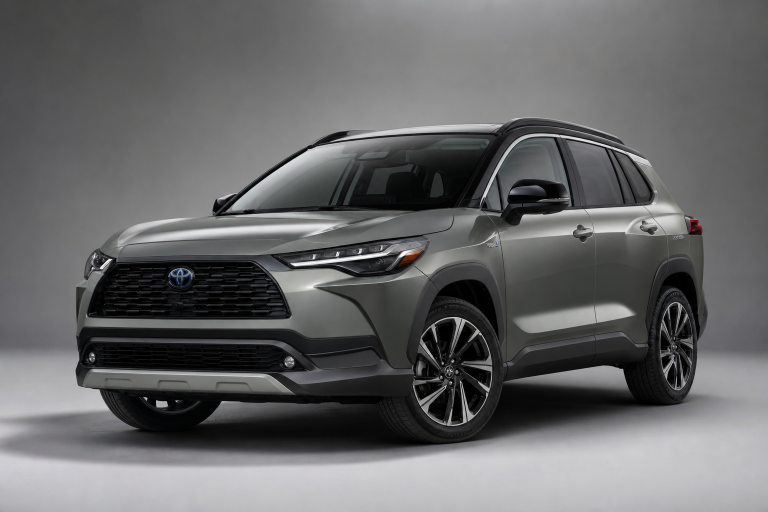
Plug-in hybrids have larger batteries than conventional hybrids and can be charged from an external power source. They may travel a limited distance on electricity before operating more like a regular hybrid with gasoline backup. This can work well for short daily travel and occasional longer trips.
Questions To Ask Before Choosing A Plug-In Hybrid
- Can you charge at home, work, or another convenient location?
- Will you plug in often enough to benefit from electric driving?
- Does the electric range cover most of your normal trips?
- Does the higher purchase price make sense for your expected savings?
Electric Vehicles: Quiet Driving And Home Charging
Battery-electric vehicles use electric motors and large rechargeable batteries instead of gasoline for normal driving. They offer quiet operation, quick acceleration, and no oil changes. For a driver with predictable mileage and convenient overnight charging, an EV can make the daily routine feel simple. Charging access deserves more attention than the advertised range. Homeowners with a suitable outlet or installed charger may find an EV easy to live with, while apartment residents and street parkers should check workplace and public charging options first. Longer trips are possible, but they require more planning around charging stops. Cold weather, higher-speed driving, tire wear, repair costs, and insurance can also affect the ownership experience.
Electric Vehicles May Fit Drivers Who:
- Can charge reliably at home or work.
- Drive predictable local or regional routes.
- Prefer smooth, quiet power delivery.
- Want to reduce or eliminate gasoline use.
- Are comfortable planning longer travel around charging.
Compare The Full Cost Of Ownership
A lower payment does not necessarily mean a lower-cost vehicle. Compare purchase price or lease payment, financing charges, fuel or electricity, public charging fees, insurance, routine service, tires, registration, and expected resale value. Get actual quotes before deciding, because insurance costs for hybrid and electric vehicles can differ by model, location, driving history, and repair expense. A simple starting point is: annual energy cost = yearly miles ÷ efficiency × local fuel or electricity price. Use your own commute and local prices rather than relying on a generic estimate. Then compare likely costs over several years, not only during the first month of ownership.
Match The Vehicle To The Driving Routine
Short Local Commute
A hybrid, plug-in hybrid, or EV may work well. Home charging makes an EV especially convenient, while a conventional hybrid avoids the need to charge.
Long Highway Commute
A gas vehicle or hybrid may provide the easiest routine for high-mileage drivers who want rapid refueling. An EV can still work if charging access is dependable.
Family With Mixed Driving Needs
A plug-in hybrid can be a useful middle option, handling local trips on electric power while retaining gasoline range for vacations, sporting events, and detours.
Apartment Resident Without Dedicated Charging
A conventional hybrid may be more practical than an EV when public charging is scarce, costly, or inconvenient. Base the choice on real charging access, not assumptions.
A Simple Five-Step Buying Process
- Track your habits: Record daily miles, highway use, and fuel spending.
- Check charging access: Review home, work, and nearby public options.
- Compare similar vehicles: Match body style, size, and equipment levels.
- Estimate total costs: Include energy, insurance, maintenance, financing, and fees.
- Test real-world fit: Assess comfort, cargo space, visibility, and usability.
Final Decision Checklist
- How many miles do you drive each year?
- How much driving happens in traffic?
- Can you charge at home or work?
- How often do you take long trips?
- What payment and five-year cost fit your budget?
- Does the vehicle provide enough passenger and cargo space?
Conclusion
Gas, hybrid, plug-in hybrid, and electric vehicles can all be smart choices in 2026, but each works best for different drivers. The strongest decision comes from matching the powertrain to your daily mileage, driving conditions, access to charging or refueling, budget, maintenance expectations, and plans. Consider how often you take long trips, where you park, and how much flexibility you need during unexpected travel. Comparing fuel or charging costs, insurance, service needs, range, and purchase price can also reveal important differences beyond the sticker price. A careful comparison now can help you avoid years of inconvenience, unexpected expenses, or compromises with a vehicle that does not fit your life. The goal is to choose a powertrain that makes everyday driving practical, comfortable, and financially manageable.
Discover more from The Cameron Journal
Subscribe to get the latest posts sent to your email.