Key Takeaways
- Regular oil and fluid checks are essential for engine health.
- Proper tire care and alignment improve both fuel efficiency and driving safety.
- Proactive replacement of filters and belts prevents breakdowns and costly repairs.
- Following your manufacturer’s maintenance schedule is crucial for optimal performance.
- Responding quickly to dashboard warning lights can prevent bigger mechanical issues.
Keeping your vehicle in top condition is more than just ensuring smooth journeys; it is a fundamental investment in your car’s safety and longevity. With regular and mindful maintenance, you can avoid many unexpected repair costs and keep your car running like new for years. Whether you are new to car ownership or looking to optimize your maintenance routine, these tips will help your vehicle go the extra mile. Learn more about maximizing your car’s performance and reliability with tailored advice from industry experts.
By focusing on routine checks and preventive care, you can protect your vehicle’s value and reduce the risk of major repairs. This approach not only enhances safety but also boosts resale value and peace of mind. Consistent maintenance will help you catch problems early and extend your car’s life well past the average lifespan on the road.
Regular Oil Changes and Fluid Checks
Oil is the lifeblood of your vehicle’s engine, reducing friction and helping to prevent overheating. Check your oil level at least once a month and change it according to the manufacturer’s guidelines, usually every 5,000 to 10,000 miles. Do not overlook other fluids, such as coolant, brake fluid, power steering fluid, and transmission fluid. These play vital roles in car health and, if neglected, can lead to everything from minor issues to catastrophic engine damage. Routine checks will help you avoid unexpected breakdowns and keep your engine running efficiently.
Maintain Tire Pressure and Alignment
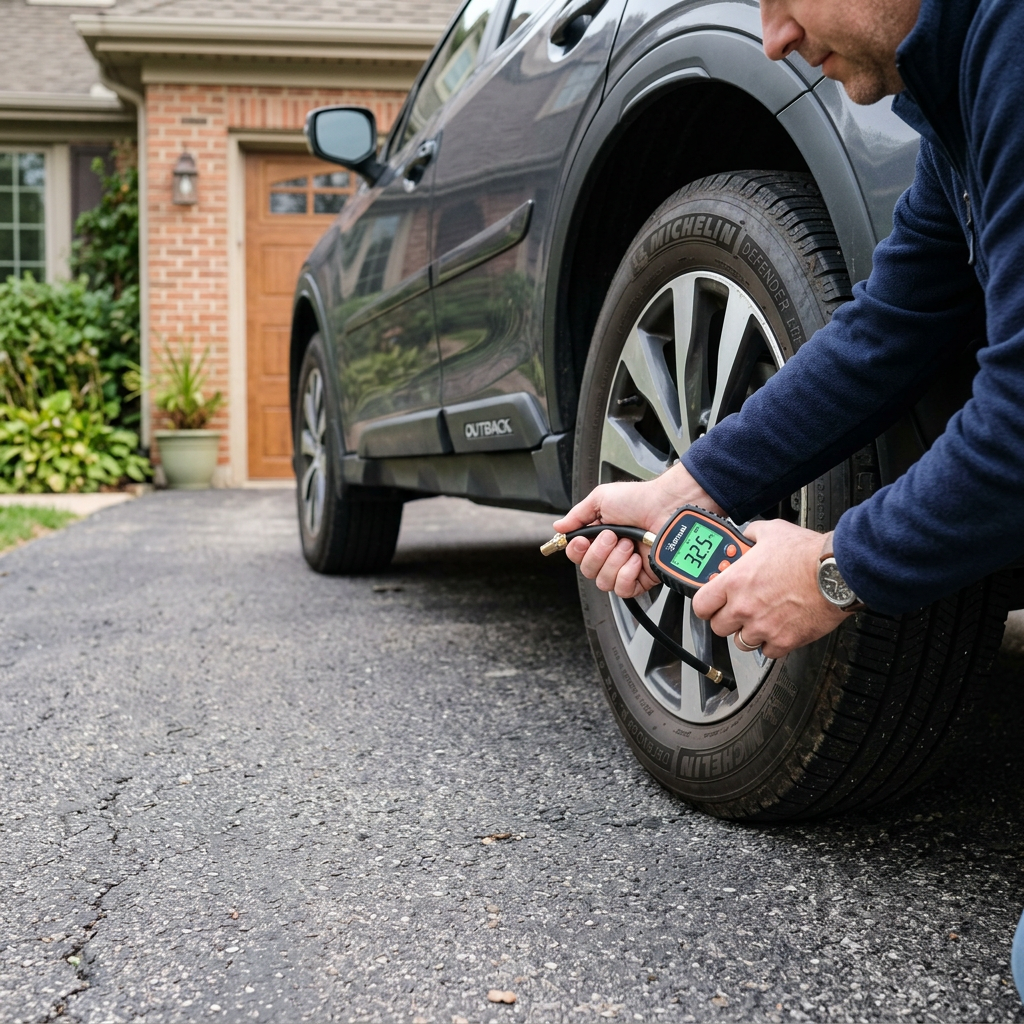
Tires serve as your car’s only contact with the road, so their condition greatly influences safety and comfort. Check tire pressure monthly, as temperature shifts can cause air pressure to fluctuate. Maintaining proper pressure increases gas mileage and reduces uneven wear. Regular tire rotation every 6,000 miles, along with periodic wheel alignment checks, maximizes tire life and promotes smoother, safer driving. Watch for wear indicators, bulges, or bald spots that signal the need for immediate replacement. Regular visual inspections can go a long way toward preventing road risks.
Replace Filters and Belts Timely
Filters and belts are frequently overlooked yet play a critical role in protecting your engine and enabling smooth operation. Air and fuel filters prevent debris from entering the engine and fuel system. Replace your air filter every 12,000 to 15,000 miles or sooner if you drive in dusty environments. Belts, such as the serpentine and timing belts, should be checked every two to three years and replaced according to your vehicle’s maintenance schedule. Aging belts can snap without warning, leading to engine failure or expensive repairs.
Adhere to Manufacturer’s Maintenance Schedule
Your vehicle’s owner’s manual is a trusted resource that outlines a tailored maintenance timeline. This schedule includes key services like timing belt changes, spark plug replacements, transmission servicing, and brake inspections. Sticking to this plan lets you identify wear and tear before it becomes a bigger issue. Skipping scheduled mileage-based tasks greatly increases the risk of system failures and will likely cost more down the road. For additional advice on vehicle longevity, check out AAA Automotive for insights on supporting your car’s lifespan.
Address Warning Lights Promptly
Today’s vehicles come with sophisticated sensors that monitor everything from exhaust emissions to battery charge. When a warning light appears on your dashboard, it signals something that requires immediate attention. Ignoring these warnings, whether for the engine, brakes, or tires, often results in worsened damage and more expensive repairs. Even a simple “check engine” light could indicate a minor issue, like a loose gas cap, or a major concern that requires a professional’s touch. Always consult your vehicle’s manual for an explanation of each warning icon and seek a mechanic’s help promptly if you are unsure.
Protect Your Battery
Extreme temperature swings and corrosion can shorten your battery’s lifespan and leave you stranded. Inspect battery terminals regularly for buildup and ensure cables are firmly connected. If you notice slow starts or your battery is approaching three years of use, schedule a test to check its remaining life. Replacing batteries before they fail will prevent unexpected roadside emergencies, especially in colder climates where battery performance suffers the most.
Drive Smoothly
Your driving style directly influences how quickly your car components wear out. Aggressive driving habits, such as rapid acceleration and hard braking, can put unnecessary strain on the engine and the braking system. Developing smooth driving habits not only conserves fuel but also protects engine and brake parts, reducing long-term maintenance costs and extending overall vehicle life.
Keep the Car Clean
Washing and waxing your car regularly creates a protective barrier against environmental factors such as road salt and sun exposure that can lead to rust and corrosion, especially in areas with harsh winters or salty sea air. Inside the car, regular vacuuming and wiping of surfaces help preserve both the appearance and functionality of the interior. Neglecting interior maintenance can accelerate wear on seats, consoles, and even air vents, ultimately reducing your car’s value.
Following these fundamental car maintenance tips will keep your vehicle dependable, safe, and enjoyable to drive. Consistent care not only saves money over time but also safeguards the value of your investment for the many roads ahead.
Discover more from The Cameron Journal
Subscribe to get the latest posts sent to your email.