Key Takeaways
- Schedule a pre-listing inspection to identify necessary disclosures and set pricing expectations.
- Provide upfront and honest information about the home’s current condition to build buyer confidence.
- Set a reasonable sale price that aligns with comparable as-is homes and estimated repair costs.
- Showcase your property’s unique features to help buyers see its potential value despite any flaws.
- Understand and fulfill legal requirements for disclosing property defects to protect yourself from liability.
Selling your property as-is streamlines the process for homeowners who may want to avoid investing in costly repairs or extensive upgrades. However, maximizing your profits and minimizing complications still calls for thoughtful strategy and transparency. If you are looking for a stress-free, fast sale in today’s real estate market, these essential steps can help guide your journey. You might also consider specialized home-buying companies such as https://www.illinoisrealestatebuyersinc.com/we-buy-houses-skokie-il/ for a seamless transaction.
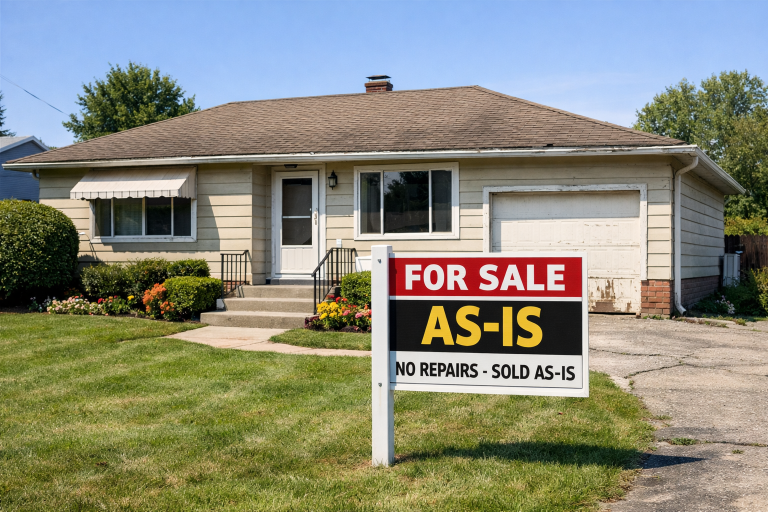
Putting your home up for sale “as-is” does not mean you cannot attract viable buyers or accomplish a straightforward deal. In fact, with the right preparation, it’s possible to receive fair offers and close quickly. From pre-listing inspections to targeted marketing, learning the best practices makes a significant difference in your selling experience. If you are seeking to avoid complications when selling your property as-is, this guide offers key insights to help you overcome potential hurdles and navigate the process successfully. For more information on direct home sales and solutions tailored to unique property conditions, visit https://www.illinoisrealestatebuyersinc.com/.
Conduct a Pre-Listing Inspection
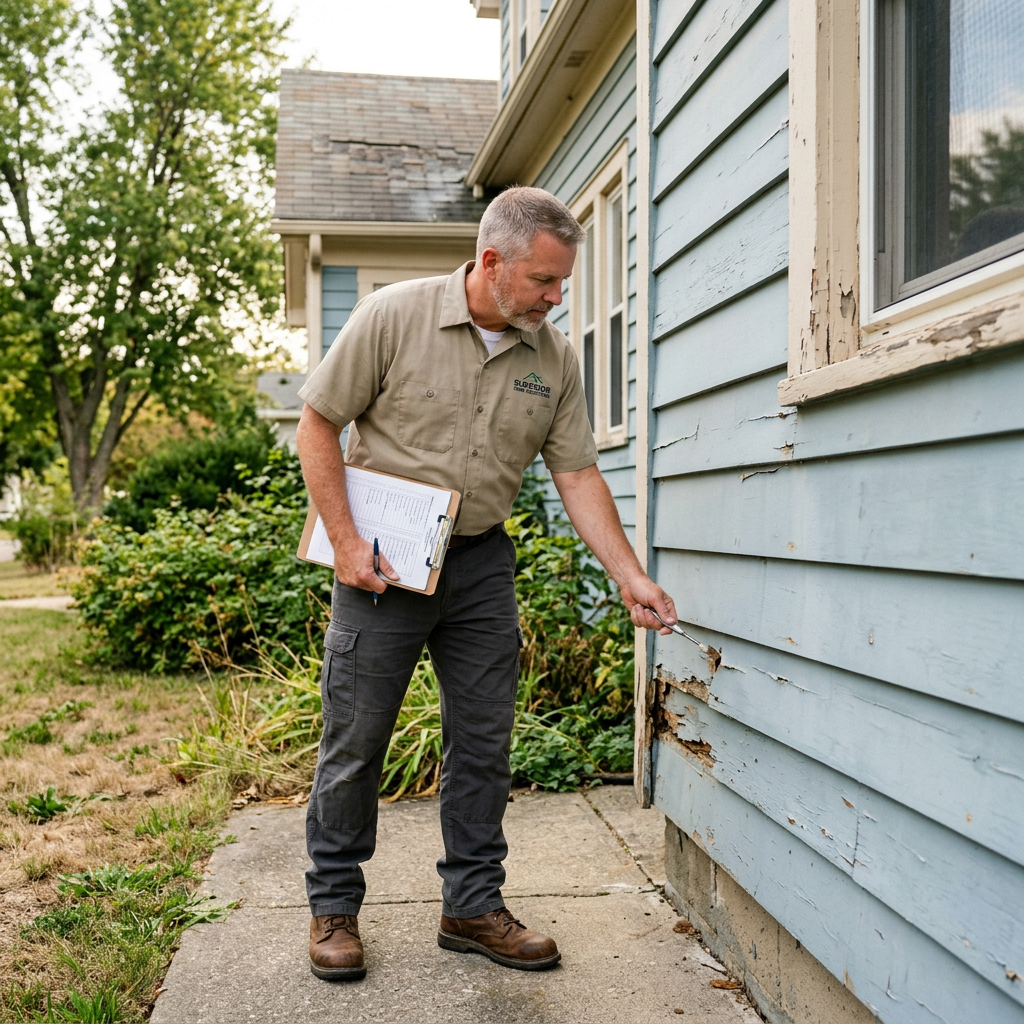
A pre-listing inspection helps eliminate guesswork by revealing issues that may affect your home’s value or marketability. Having this assessment before listing prepares you for what buyers will likely find during their own inspections, and enables you to price your home realistically from the beginning. Transparency about the inspection’s findings can also help reduce buyer withdrawals or renegotiations.
Be Transparent About the Property’s Condition
When selling a home as-is, full disclosure is not only fair to buyers but can also shield you from future legal disputes. Use your listing, marketing materials, and conversations to candidly disclose all known defects, from foundation concerns to outdated HVAC systems. Fostering trust reassures serious buyers and weeds out those who may be unwilling to accept the home in its current state. According to Kiplinger, sellers have an ongoing obligation to disclose any defects, even when selling ‘as-is’, to avoid future litigation or delays.
Set a Realistic Price
Pricing your home correctly can directly impact how long it sits on the market. An objective understanding of the home’s true market value, taking into account both its strengths and weaknesses, is essential. Many sellers benefit from professional appraisals or comparative market analyses from real estate professionals, which offer an unbiased price range that reflects both neighborhood trends and repair needs. Remember, a fair price can often draw multiple offers, allowing you to choose the best terms and timeline.
Highlight the Property’s Strengths
Every property has something unique to offer. Whether it’s a large lot, exceptional location, classic architecture, or proximity to schools, emphasize your home’s best features. Use professional-quality photographs and detailed descriptions to help buyers look past the repairs and envision the home’s potential. Highlighting opportunities for customization or investment can attract buyers seeking value or personal projects.
Understand Your Legal Obligations
Disclosure laws vary by state, but all sellers are required to reveal known issues that may affect the property’s value or safety. Consult a local real estate attorney or experienced agent to make sure you understand precisely what must be disclosed in your area. Failing to disclose significant defects can result in costly legal disputes long after the sale is complete.
Be Prepared for Negotiations
Even though you are selling as-is, some buyers may still request certain concessions, such as price reductions, closing cost credits, or minor repairs. Before listing, decide where you are willing to negotiate and what your firm’s boundaries are, to save time and avoid stress during the negotiation process. Enter every conversation with clarity about the most important aspects for you as the seller.
Market the Property Effectively
Attracting as many qualified buyers as possible requires a robust marketing plan. Use a combination of online real estate platforms, social media advertising, and local networking. Highlight the property’s investment potential for flippers, investors, or buyers eager to customize. Ensure your marketing materials clearly explain the as-is condition and showcase compelling features to attract buyers ready for renovation projects.
Consider Cash Buyers or Investors
Homes in need of repair are often most appealing to real estate investors and cash buyers, who are prepared to purchase quickly with fewer contingencies. While offers from these buyers might be slightly below traditional market values, they often come with faster closings and a higher likelihood of smooth transactions. For sellers prioritizing a quick sale, these buyers provide an efficient path forward.
Applying these expert tips can simplify the process of selling your home as-is. With proper preparation and strategic marketing, you can maximize your property’s potential and complete a successful sale that benefits both you and your future buyer.
Conclusion
Selling a home as-is can be a smooth and efficient process when approached with the right preparation, honesty, and strategy. By taking steps such as conducting a pre-listing inspection, setting a realistic price, disclosing known issues, and highlighting your property’s strengths, you position yourself to attract serious buyers and avoid unnecessary delays or disputes. These actions help build trust and ensure that expectations are clear on both sides of the transaction. Ultimately, success in an as-is sale comes down to balancing transparency with smart marketing and pricing. Whether you choose to work with traditional buyers, investors, or cash home-buying companies, being well-informed and prepared allows you to move forward confidently and close a deal that aligns with your goals.
Discover more from The Cameron Journal
Subscribe to get the latest posts sent to your email.