The Digital Childhood Dilemma
Let’s be honest—today’s childhood looks nothing like the one most parents remember. Back then, “playtime” meant scraped knees, muddy shoes, and hours spent outdoors inventing worlds out of thin air. Now, it’s often defined by screen time, pixels, and the latest gaming trend.
Digital play isn’t all bad—it sharpens hand-eye coordination, introduces new forms of storytelling, and connects children socially in virtual spaces. But here’s the quiet cost: physical exploration and face-to-face connection are being replaced by passive consumption. Studies show that children today spend less time outside than prisoners. That’s not an exaggeration—it’s a wake-up call.
As parents, educators, and community builders, we’re standing at a crossroads. Do we allow screens to define the boundaries of childhood—or do we help kids rediscover the thrill of real-world play?

Via Pexels
How Outdoor Play Fuels Cognitive and Emotional Development
Play is the language of childhood. It’s how kids make sense of the world before they can even articulate it. But the type of play matters.
When children climb, dig, jump, and explore, they’re not just exercising their bodies—they’re building neural connections that underpin critical thinking and emotional regulation. That game of tag? It teaches impulse control. Building a fort? That’s spatial awareness and problem-solving at work. Negotiating playground rules? Early lessons in empathy and leadership.
Outdoor environments stimulate the prefrontal cortex, the area responsible for decision-making, planning, and social interaction. Meanwhile, unstructured physical play boosts dopamine and serotonin—the “feel-good” chemicals that counteract anxiety and depression.
The takeaway? The sandbox is more than a pile of dirt—it’s an emotional and cognitive gym.
The Social Reset: Why Kids Need Real Faces, Not Just Avatars
You can’t high-five an avatar. Social media may give kids a sense of belonging, but it’s often filtered through likes, comments, and comparisons. Outdoor play, on the other hand, gives them something real—authentic social friction.
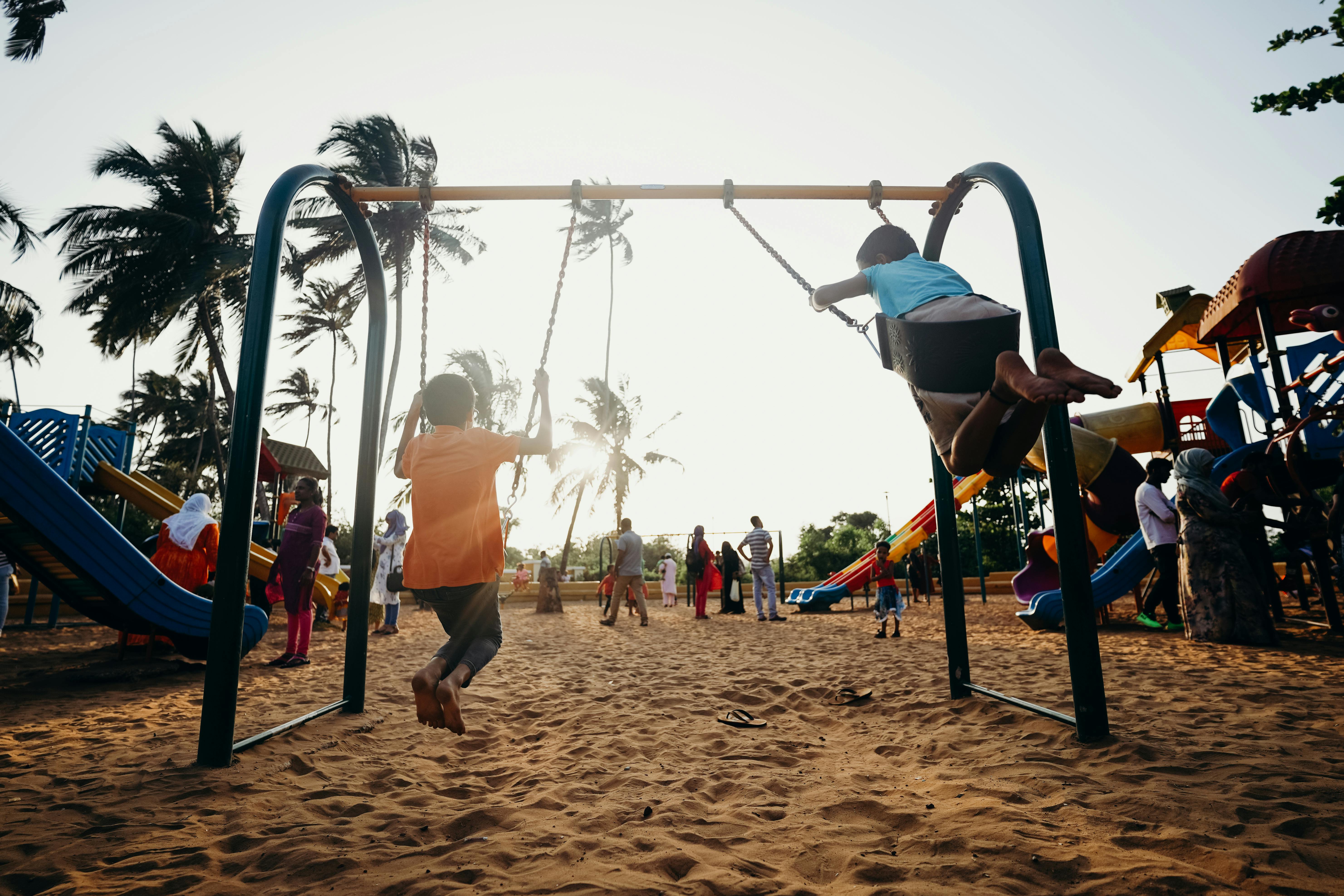
When children argue over who gets the swing next or figure out how to include everyone in a game, they’re learning life’s most valuable skill: cooperation. These micro-moments of negotiation, empathy, and patience build resilience.
And here’s something many forget—social confidence doesn’t grow in perfect, curated environments. It’s born in messy, spontaneous, sometimes awkward interactions. The playground becomes a rehearsal stage for real life, where kids test boundaries, make mistakes, and learn to bounce back.
Designing Environments That Invite Curiosity
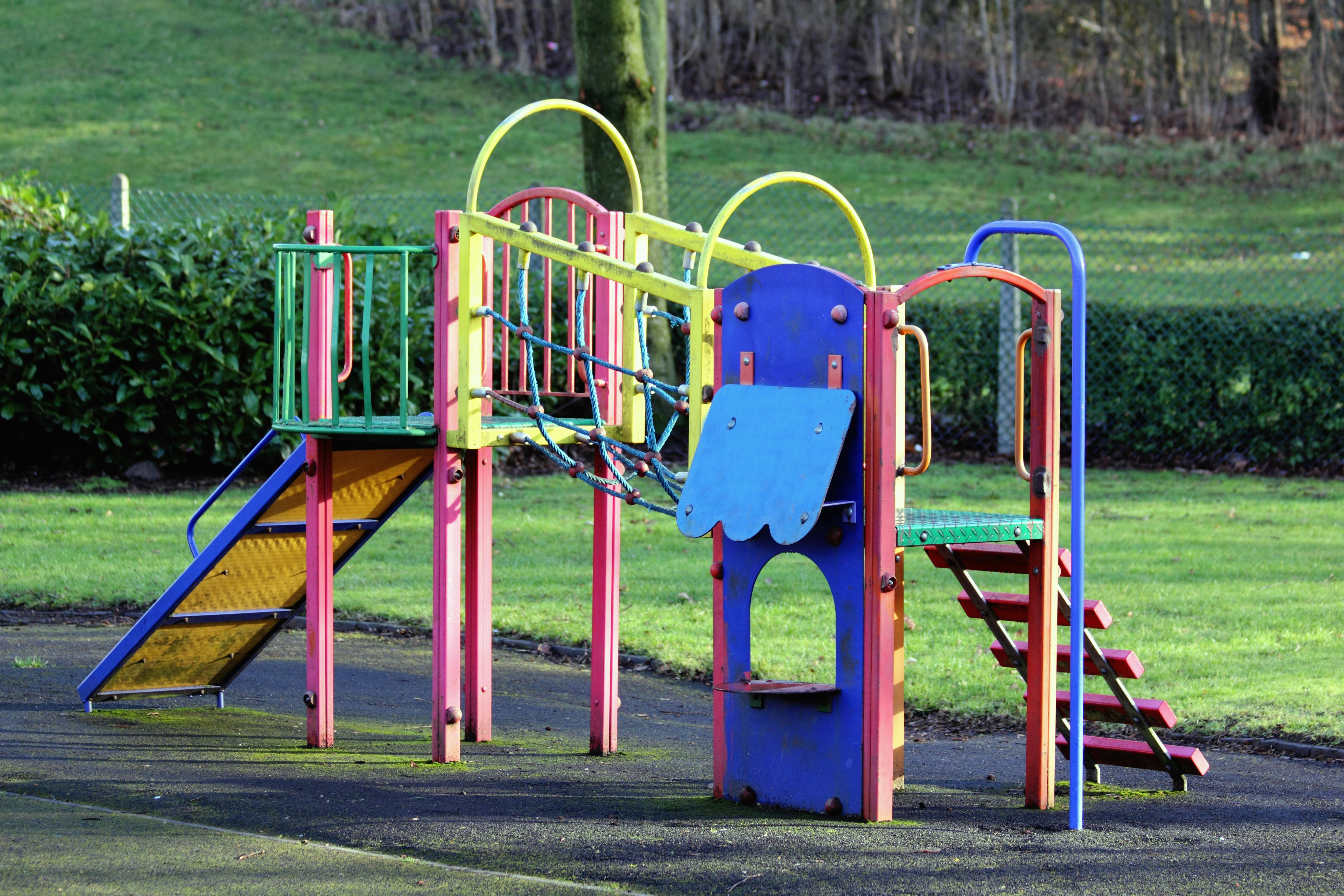
To bring back the magic of unstructured play, we must design environments that invite it. That’s where the conversation around playground equipment for parks becomes critical.
It’s not about flashy colors or giant slides—it’s about creating spaces that trigger curiosity. Modern playground design blends psychology, engineering, and child development. Think climbing walls that encourage risk assessment, sensory paths that engage multiple senses, and inclusive swings that invite every child—regardless of ability—to join in.
When communities invest in thoughtfully designed play spaces, they’re not just installing equipment—they’re building ecosystems for growth. These spaces become local hubs where families connect, where imagination takes physical form, and where children rediscover the joy of real-world exploration.
When Play Meets Design Thinking
There’s a growing movement among educators and city planners called “design thinking for play.” It’s the idea that the environment shapes behavior—and if we want kids to explore, we need to create environments that reward exploration.
Instead of fenced-in rectangles, forward-thinking playgrounds integrate natural landscapes—boulders, plants, uneven surfaces—that encourage imaginative use. These designs move away from single-purpose structures and toward “open-ended play elements,” where a log can be a spaceship one minute and a balance beam the next.
This flexibility fuels creativity and keeps children engaged longer. It also teaches adaptability—a skill every generation will need in a rapidly changing world.
The Hidden Benefits Parents Don’t Always See
Outdoor play isn’t just about burning off energy—it’s about balance. For children who struggle with focus or anxiety, time outdoors acts as a natural regulator. The fresh air, sunlight, and sensory stimulation help reset circadian rhythms, improve sleep quality, and boost vitamin D levels—vital for growing bodies and developing brains.
Even from a purely practical standpoint, kids who play outside are often better problem-solvers and collaborators. They’re used to navigating uncertain situations, making decisions, and handling minor risks—skills that later translate into leadership and confidence.
Parents often notice other changes, too. Children come home calmer, happier, and more connected. Playtime outdoors becomes a family reset—a simple antidote to overstimulation and digital fatigue.

Via Pexels
Why Communities Need to Rethink “Play”
Rebuilding real-world play starts with rethinking how we define “safe” and “productive.” Overprotective environments—both physical and digital—can unintentionally stunt growth. Children need room to experiment, to fall, to try again.
Cities and schools that invest in better play infrastructure often see ripple effects beyond the playground. Neighborhoods become safer as more families spend time outdoors. Local businesses thrive from increased foot traffic. And most importantly, children build lifelong memories and friendships not filtered through a screen.
In essence, a playground isn’t just a child’s space—it’s a community investment in social health.
From Screen Time to Green Time: Reclaiming the Balance
The goal isn’t to demonize technology—it’s to rebalance it. Digital literacy is essential, but so is physical literacy: the ability to move, navigate, and interact with the tangible world. Parents can start small. Schedule “no-screen Saturdays.” Join your kids outside instead of sending them. Turn outdoor exploration into a family tradition, not a punishment.
Real play doesn’t have to be grand. It can be as simple as chasing butterflies, building obstacle courses, or inventing new games with friends. What matters is the sense of agency and wonder it restores.
The Takeaway: Let Play Be the Teacher
Childhood is meant to be experienced, not downloaded. And while technology will always be part of the modern world, it should never replace what’s instinctively human—the need to move, connect, and imagine.
As parents, educators, and community leaders, our challenge isn’t to compete with screens but to create better alternatives. Every patch of grass, every swing, every child laughing under the open sky—that’s where the real learning begins.
When you invest in real-world play, you’re not just nurturing healthier kids—you’re shaping the kind of world they’ll want to protect.
Discover more from The Cameron Journal
Subscribe to get the latest posts sent to your email.