Image Credit: Unsplash
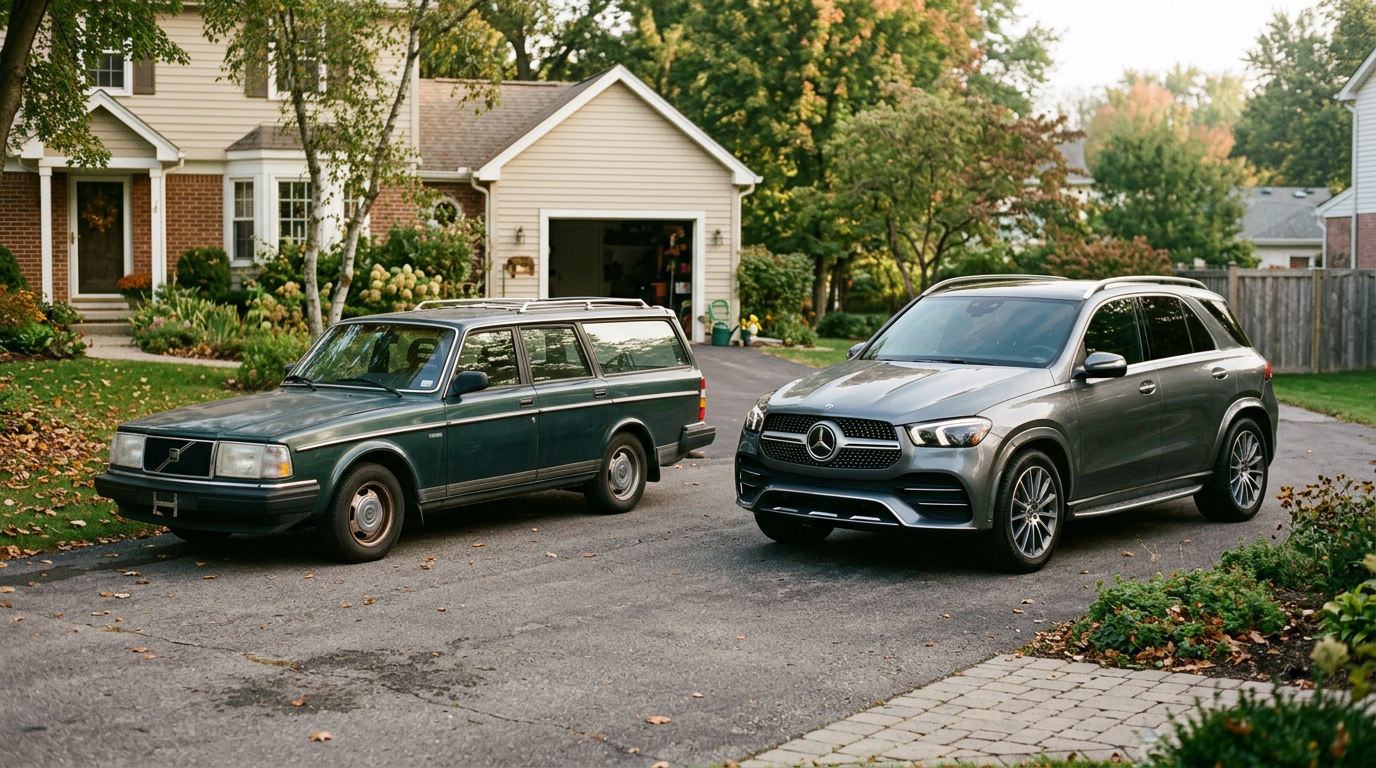
High vehicle prices have changed the math for drivers who once replaced their cars every few years. If your current vehicle remains reliable, keeping it may protect your budget from a large monthly payment and higher ownership costs. Age alone doesn’t determine when a car should be replaced. Maintenance history, repair frequency, fuel use and safety matter far more.
A clear comparison of those factors can reveal how much useful life your vehicle still has.
New Sticker Prices Are Squeezing Households
A new vehicle affects more than the purchase price. Financing charges, registration fees and insurance premiums can push the real monthly cost well beyond the advertised figure. Even a modest difference of $200 per month adds up to $2,400 a year, before accounting for a down payment.
An old-versus-new cost comparison should include every expense, not only expected repairs. Compare your current maintenance average with the full cost of replacement. If your older car needs $1,500 in work this year but a new one would cost $600 per month, repairing the existing vehicle may still leave thousands of dollars in your budget.
Depreciation Takes the Steepest Cut
Depreciation is easy to overlook because it doesn’t arrive as a bill. Yet it can be one of the largest costs attached to a newer vehicle. The value often falls fastest during the first few years, while an older car usually loses value at a slower rate.
A useful vehicle depreciation guide explains why resale value deserves a place in any ownership calculation. Suppose a vehicle loses $8,000 in value over two years. That economic cost exists even if the owner never sees a separate charge. Keeping a dependable older car lets the previous owner absorb the steepest decline.
Why Scheduled Upkeep Outperforms Monthly Payments
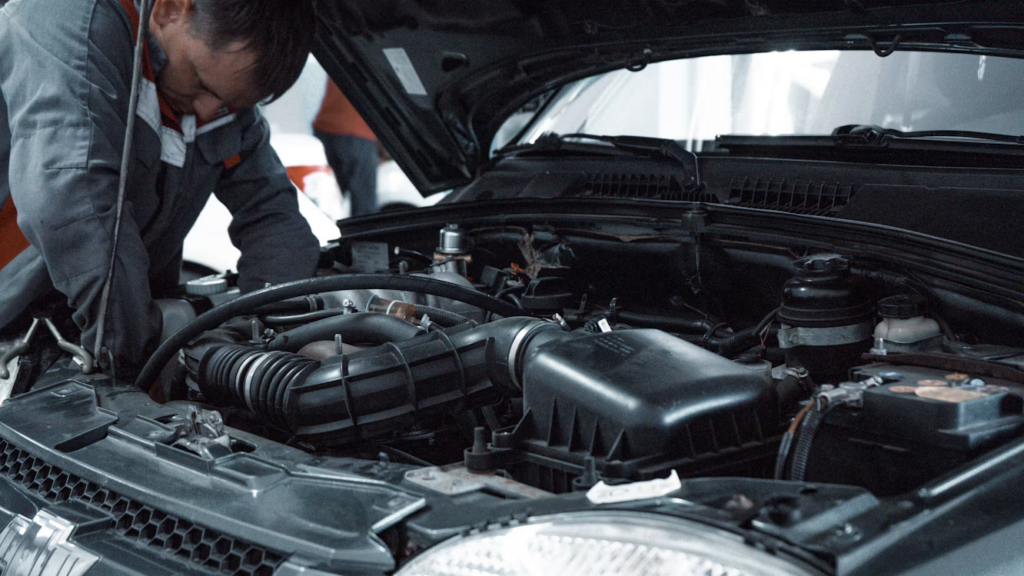
Follow the manufacturer’s maintenance schedule and keep written records of each visit. Routine oil changes, fluid checks, brake inspections and tire care help mechanics identify wear before it causes a larger failure. Drivers around Ballina can arrange a professional car service to assess maintenance needs and deal with developing mechanical issues.
Set aside a fixed amount each month for upkeep, even when the car appears to be running well. Saving $100 monthly creates a $1,200 annual repair fund. That reserve can cover routine work without disrupting household expenses, and it remains far below many new-car payments. Service records may also support a better resale price later.
The Overlooked Environmental Impact of Longevity
Manufacturing a new vehicle requires raw materials, energy, factory processing and transportation. Extending the life of a safe, efficient car delays the environmental cost of producing its replacement. Regular maintenance can also reduce waste because small components are repaired before damage spreads to larger systems.
Longevity has limits, especially when an older model uses excessive fuel or develops persistent emissions problems. Track fuel consumption over several months and investigate any sudden increase. Correct tire pressure, clean filters and prompt engine repairs can improve efficiency. When replacement becomes necessary, consider fuel economy alongside price and size so the next vehicle supports both your household budget and longer-term resource use.
Knowing When Repair Costs Outweigh Value
One expensive repair doesn’t automatically mean a car has reached the end of its useful life. Compare the proposed work with the cost of obtaining another reliable vehicle, including financing, insurance and registration. A $2,500 repair may be reasonable if it provides several more years of dependable transportation.
Replacement becomes more sensible when breakdowns happen repeatedly, structural corrosion affects safety or major systems fail close together. Ask a qualified mechanic for a written assessment that separates urgent work from maintenance that can wait. Also consider how the vehicle fits your daily needs. Unreliable transportation that causes missed work carries a cost beyond the repair invoice.
Use the next scheduled inspection as a financial checkpoint. An accurate condition report, paired with a year of maintenance records, will show whether your older vehicle remains an asset or has started becoming an unpredictable expense.
Discover more from The Cameron Journal
Subscribe to get the latest posts sent to your email.