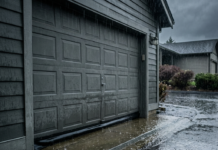
For first-time homebuyers and older adults moving into a “forever home,” the monthly payment can feel like the finish line, until the first repair shows up uninvited. The core challenge is that ongoing home expenses don’t arrive on a schedule, and without planning home maintenance costs, routine wear can turn into urgent bills that disrupt homeownership budgeting. A home is more than a place to live; it’s an asset that deserves steady care, and home investment protection starts with expecting upkeep as part of ownership. When maintenance is anticipated, repairs feel like planned responsibilities instead of financial emergencies.
Understanding Home Maintenance Expenses
Home maintenance expenses are the ongoing costs of keeping your home safe, comfortable, and working as intended. They include planned upkeep like servicing HVAC, cleaning gutters, and sealing gaps, plus repairs when something wears out. Across major systems, spending often clusters around the roof, plumbing, electrical, water heater, appliances, and heating and cooling.
These costs matter because they rarely arrive at convenient times, especially on a fixed income. When you plan ahead, you spread the impact over months instead of absorbing a sudden hit. Many hidden costs add up over a year, even without a major emergency.
Think of it like getting regular checkups instead of waiting for an urgent care visit. A small monthly repair fund can turn a surprise leak into a manageable call, not a crisis. That matters when emergency repair bills can be hard to cover.
With the categories clear, estimating your number and turning it into a workable budget gets much simpler.
Turn Maintenance Estimates Into a Monthly Budget
You can make maintenance costs predictable by estimating a yearly total, then dividing it into a simple monthly plan. This approach is especially helpful if you prefer steady, manageable saving over big, stressful bills.
- Step 1: Choose a simple yearly estimate method
Start with a quick rule of thumb based on your home’s price or current value. The 1 to 4% method gives a practical range, with newer homes often closer to the low end and older homes needing more cushion. Pick a starting point in the range that feels realistic for your home’s age and condition. - Step 2: Reality-check your number with a benchmark
Compare your estimate with a broad, real-world yardstick so you do not under-save. The average annual cost can help you sanity-check whether your plan is in the right neighborhood for total ownership and upkeep costs. If your estimate is far below what you see in typical costs, adjust upward gradually rather than waiting for a surprise. - Step 3: Break the yearly total into a monthly “home care” line item
Divide your annual estimate by 12 and add that amount to your monthly budget like any other essential bill. Automate it into a separate savings account so it does not get mixed with everyday spending. This turns irregular expenses into a steady habit you can maintain. - Step 4: Prioritize safety and “keeps-it-running” items first
List your likely needs, then fund the basics before cosmetic projects so your money protects the home’s core systems. Use the principle to make sure your house is in working order so small issues do not snowball into expensive repairs. If money is tight, start with a smaller monthly amount and increase it after you rebuild breathing room. - Step 5: Add a repair plan for larger surprises
Set a separate target for bigger replacements by choosing a deductible-style number you want available, such as $1,000 to $3,000, then build toward it over time. Keep a short “watch list” of big-ticket items (roof, HVAC, water heater) with rough ages so you can save ahead as they near the end of their typical life. Review your plan once or twice a year and adjust as your home and finances change.
A small monthly habit now can make the next repair feel like an inconvenience, not an emergency.
Habits That Keep Maintenance Costs Predictable
Build momentum with a few steady routines.
These small practices turn “someday” upkeep into a calm rhythm you can stick with, especially when you want fewer surprises on a fixed or carefully planned budget. Over time, they also create better records, clearer priorities, and more control over when money leaves your account.
Weekly Home Notes
- What it is: Write down odd sounds, smells, leaks, or drafts in a simple notebook.
- How often: Weekly
- Why it helps: Early clues help you fix small issues before they grow costly.
Payday Maintenance Transfer
- What it is: Auto-move your home-care amount into a separate savings bucket.
- How often: Every payday
- Why it helps: Automation prevents skipped months and smooths cash flow.
Monthly Safety Check
- What it is: Use a test home alarm reminder and replace weak batteries.
- How often: Monthly
- Why it helps: It reduces risk and avoids last-minute purchases during emergencies.
Seasonal Filter and Flush Routine
- What it is: Change HVAC filters and flush one neglected drain with hot water.
- How often: Seasonally
- Why it helps: Good HVAC maintenance can reduce energy bills and lower strain on equipment.
One Quote a Month
- What it is: Request one estimate for a likely repair, even if you delay it.
- How often: Monthly
- Why it helps: Price awareness keeps your savings target realistic.
Pick one habit this week, then adjust it to fit your household routine.
Maintenance Budget Questions, Answered
A few quick answers can make the planning feel much lighter.
Q: How can I accurately estimate annual home maintenance costs before buying a house?
A: Start with the age and condition of the big-ticket items and ask for documented dates: roof, HVAC, water heater, and major plumbing work. Request contractor invoices or PDFs from the seller, then pull out dates, warranty lengths, and last service costs into a simple, editable table. If you’re exploring PDF to Excel, you can keep the table easier to update. That turns guesswork into a “next likely expense” timeline you can budget around.
Q: What are the most common upkeep expenses for key systems like roofing, HVAC, and plumbing?
A: Roofs commonly need periodic inspections, minor flashing repairs, and eventual replacement, while HVAC costs often come from tune-ups, filters, and aging parts like capacitors. Plumbing expenses frequently involve leak repairs, water heater maintenance, and occasional drain or sewer line work. Keeping receipts and service reports in one folder makes patterns easier to spot.
Q: How do I create a realistic budget to cover unexpected home repairs without feeling overwhelmed?
A: Choose a monthly amount you can sustain, then build from there, because repairs often arrive without warning. The fact that over 33% couldn’t cover an emergency repair over $1,000 is a good reminder that even a modest cushion matters. Track every repair quote and final invoice in your table so your savings target gets more accurate over time.
Q: What practical steps can help me stay ahead of costly maintenance issues and protect my home investment?
A: Keep a basic home “asset list” with model numbers, install dates, and service contacts, then store related PDFs in the same place. An asset inventory reduces unplanned downtime by 15%, and at home that often translates to fewer urgent calls and more choice in scheduling. Update your tracking sheet after every visit so you always know what is due next.
Q: If I’m planning to buy a home, how can a home warranty or service plan assist with managing maintenance costs?
A: It can help smooth cash flow by turning some unpredictable repair bills into a more predictable cost structure, especially in the first year. Before relying on it, read what is covered, what is excluded, and what service fees apply, then record those details in your expense tracker. Think of it as one layer of protection, not a replacement for saving and routine upkeep.
A calm system beats last-minute scrambling, and you can start with one folder and one simple table.
Build a Maintenance Budget That Protects Your Home Investment
Homeownership can feel stressful when routine care and surprise repairs compete with a fixed monthly budget. A steady home maintenance planning mindset, tracking costs, keeping records organized, and treating upkeep as a normal household expense, turns uncertainty into a workable plan. With a clear picture of what’s been spent and what’s coming, protecting home investment becomes less about luck and more about preparation, bringing real confidence in homeownership. Plan for maintenance before it becomes an emergency, and surprises lose their power. Choose one next step today: start your maintenance budget, set a simple reminder, or schedule an inspection. Over time, those small habits deliver long-term upkeep benefits that support comfort, safety, and financial stability.
Discover more from The Cameron Journal
Subscribe to get the latest posts sent to your email.