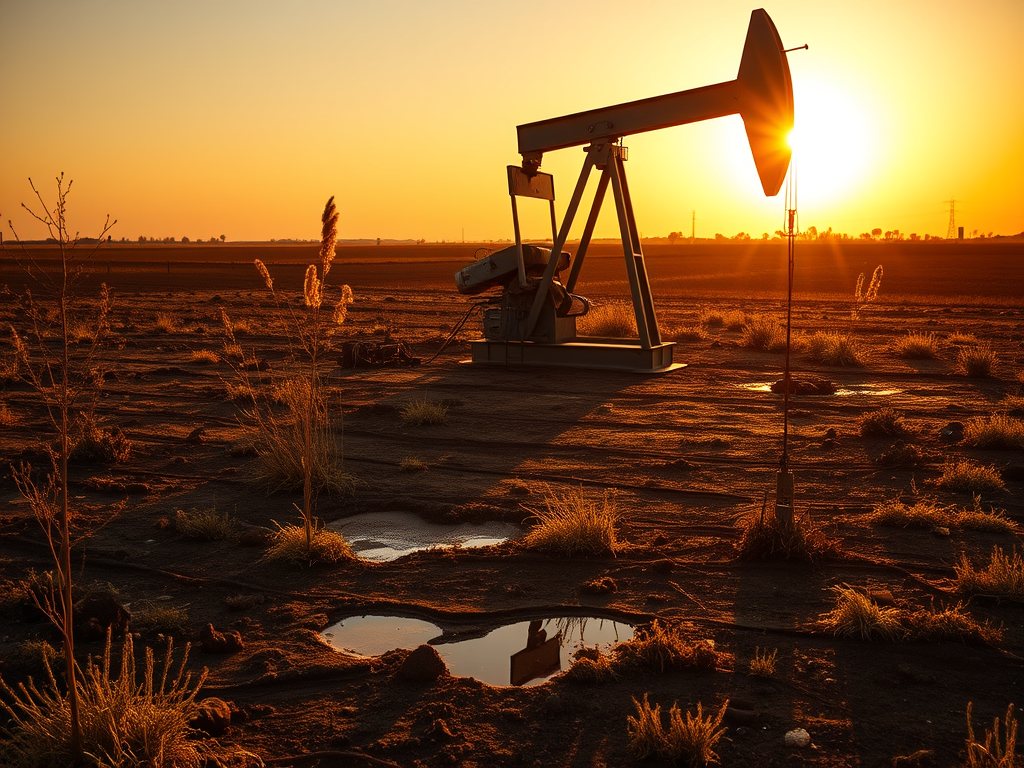
If you’ve been noticing the signs of oil on your land, such as patches of plants dying without a clear reason, surface seepage of oil directly up through the soil, or you’re close to known deposits, then you might think that you’ve hit the jackpot. This may potentially be true, but it’s important to proceed with caution and measured expectations.

Confirm It’s Not Just A Spill
The reality is that spills of oil from machinery, vehicles, or nearby activity are far more common than natural seepage. Be sure to inspect the area for sources of leaks like vehicle tracks, fuel storage containers, or runoff from neighboring properties. Taking samples can help you confirm with your local geologist as to whether it’s truly oil from the land or petroleum, which can also be identified by its distinctive scent. Rule out contamination before you start getting your hopes up.
Check The Property Deed For Mineral Rights
If you think you do have oil on your property, then it’s important to think about who actually benefits. This begins with checking to see if you actually own the mineral rights. In some cases, this can be separate from surface ownership, meaning someone else may legally control the resources beneath your land. Reviewing your property deed and conducting a title search to confirm the ownership history of your property can help you find the answer you need.
Verify With A Geologistic’s Help
If you do own the mineral rights, you should first confirm your discovery before you rush off to see how much you can get for it. A professional geologist or resource specialist can analyze soil samples, geological data, and the surface signs to determine whether or not there really is oil under the property and how much there might be. Sometimes, an oil seep might just be a small deposit or a wholly different substance. As such, it’s important to confirm before getting your hopes up.
Negotiating Your Oil And Gas Lease
If you’re able to confirm the presence of oil, then it might be worth getting in touch with energy companies near you, if they don’t get in touch first. You can sign an oil and gas lease that allows the company to explore and extract the oil while you still maintain the mineral rights. Then, you can receive payments, including an initial signing bonus and ongoing royalties from production. Others decide to cash out early and sell the mineral rights for a larger lump sum. This might net you less money in the long run, but it does pay out more immediately.
Get An Attorney For Guidance
Whatever you decide to do, it’s important to make sure that you hire an experienced attorney, especially if there’s potential for substantial products. Lawyers specializing in mineral rights and energy law can help you negotiate better terms with companies and make sure that you’re getting a fair deal.
It’s always important not to jump the gun when you think you might have natural oil on your land. Figure out what you have first and how to make use of it before you start planning how to spend your money.
Discover more from The Cameron Journal
Subscribe to get the latest posts sent to your email.