Image Credit: Unsplash
Managing your own groundwork can reduce contractor costs and give you tighter control over a home-building schedule. It can also expose you to expensive problems if excavation begins before the site has been properly checked. The practical middle ground is to manage the planning and equipment yourself while bringing in surveyors, engineers and licensed trades for work that needs specialist knowledge. That setup keeps you involved without turning a complex site into a risky trial-and-error project.
The Rise of the Owner-Builder
Higher construction costs and easier access to equipment have encouraged more people to coordinate parts of their own builds. The owner-builder experience often involves scheduling trades, ordering materials and handling early site preparation instead of handing every decision to one main contractor.
This model suits organized homeowners who can compare quotes, read site plans and keep accurate records. You’ll need time for phone calls, inspections and unexpected schedule changes. Before starting, list every groundwork task and identify which jobs require professional approval. A realistic budget should include permit fees, machinery delivery, operator costs and a contingency of at least 10 percent for hidden site conditions.
Assessing Soil and Topography Early
Get the soil and site levels assessed before booking machinery. Clay, sand, fill and shallow rock behave differently under a foundation, while a sloping lot may need retaining structures or extra drainage. A geotechnical report can identify soil movement, bearing capacity and groundwater concerns that aren’t visible from the surface.
Mark access points too. A machine that fits the excavation may still be unable to pass through a narrow gate or cross soft ground safely. Once you know the required digging depth, access width and expected soil volume, you can choose suitable excavator hire for an approved earthmoving project in Nowra or the surrounding Shoalhaven region. Confirm who will operate it and where excavated material will go before delivery day.
Securing Heavy Machinery for the Dig
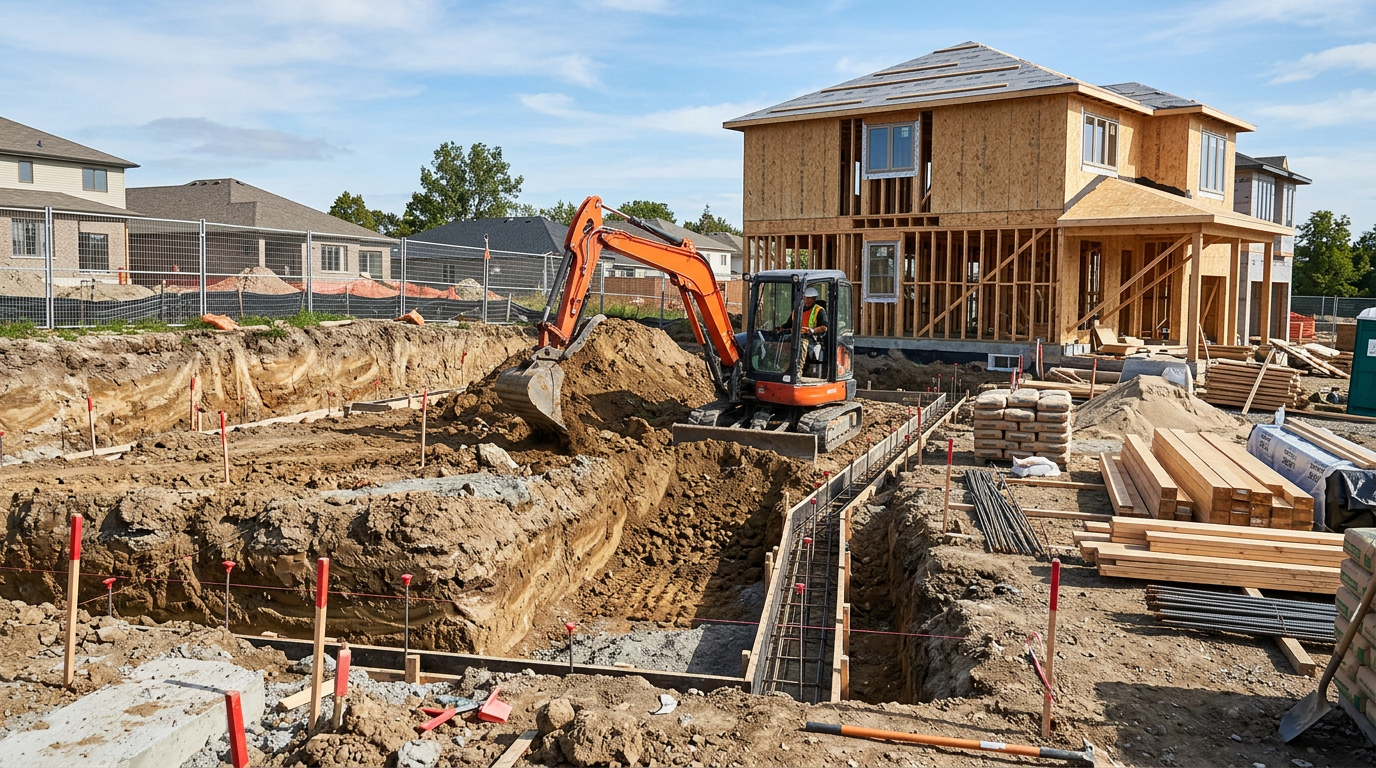
Match the machine to the job instead of choosing based on hourly price alone. A compact excavator may suit narrow residential access and service trenches, while larger equipment can move more soil but needs extra operating room. Ask the hire provider about machine width, digging depth, attachment options, transport charges and daily usage limits.
Plan the work sequence before the machine arrives. Mark the building footprint, establish finished floor levels and arrange a clear spoil area. Weather matters as well. Heavy equipment can churn saturated soil into mud, damage access routes and leave excavation walls unstable. Advice on building your first house also highlights the value of scheduling, supervision and knowing when professional help is needed.
Avoiding Costly Mistakes Underground
Never assume an open patch of ground is clear below the surface. Arrange utility location services and compare their markings with property plans before digging. Private lines for irrigation, drainage and outdoor power may not appear on public records, so inspect the site for meters, pits, drains and previous construction work.
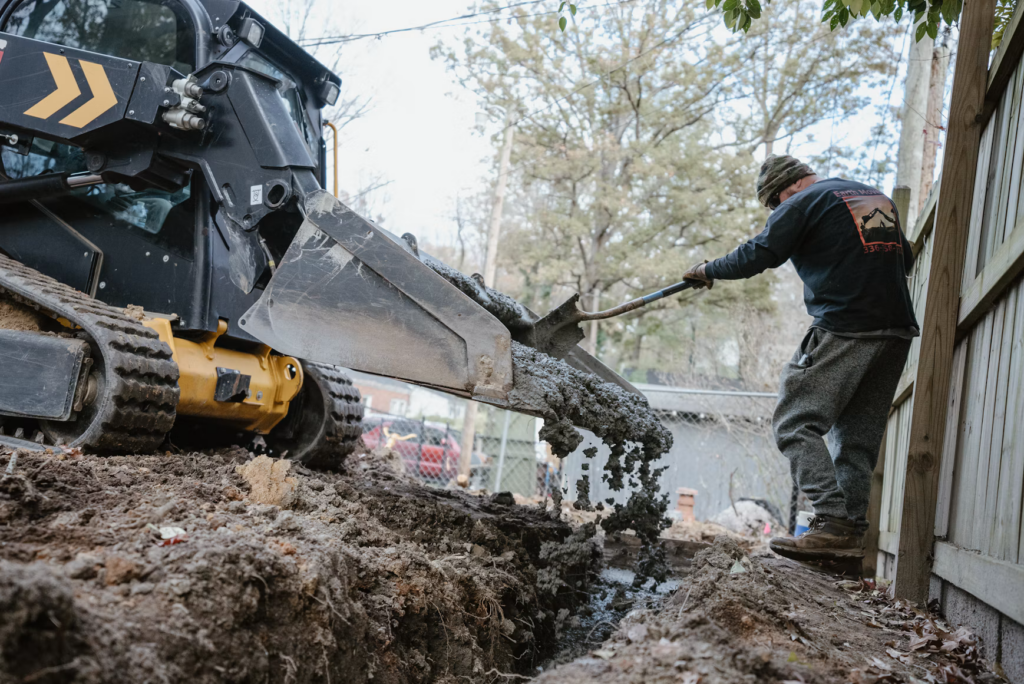
Set excavation limits with visible paint or stakes, then check depth frequently. An oversized trench uses more concrete or backfill and may disturb soil intended to support the foundation. Keep spoil away from trench edges because its weight can contribute to collapse. New owners can also use these utility and maintenance checks to identify services that may need attention before broader property work begins.
Good owner-managed groundwork depends on stopping at the right moments. Pause if the excavation reveals buried debris, unexpected water, loose fill or soil that differs from the site report. A quick assessment from an engineer or experienced excavation professional costs far less than correcting a poorly supported slab after construction has moved ahead.
Discover more from The Cameron Journal
Subscribe to get the latest posts sent to your email.