
What Happens When A Customer Gets Injured At Your Workplace?

HomeMoney & EconomyBusinessWhat Happens When...

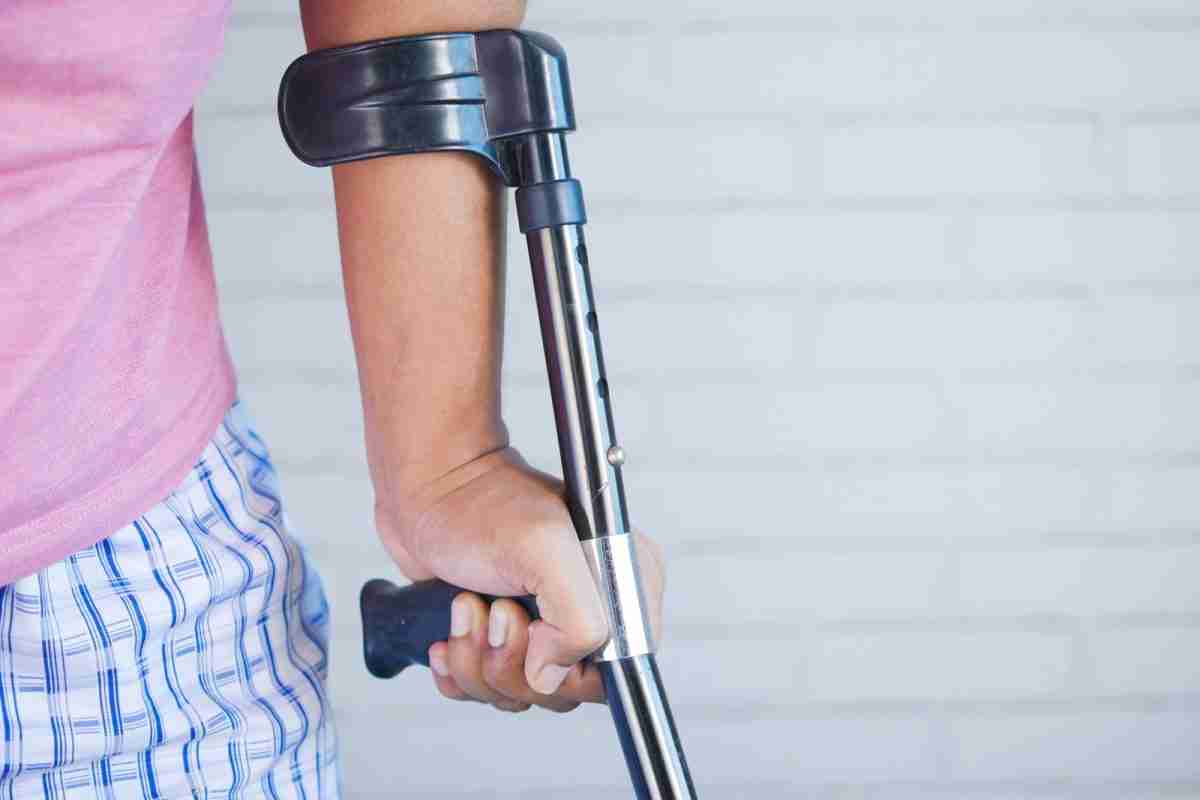
Image (CC0 License)

Every day, customers walk into shops or other businesses and get injured. Most commonly, they suffer from slip and fall injuries. These injuries happen when someone is walking around and trip or slips on a hazard. 

It’s so easy for something like this to occur in your business, but what happens next? You’re in the unfortunate situation where a customer injures themselves, now what is likely to happen? 

The customer must receive medical attention

To begin, the injured customer needs to be looked at and assessed to see if they need medical attention. You should have someone on-site that can perform basic first aid, helping them with any minor problems or getting them comfortable as you wait for an ambulance to arrive. If the injury is serious and the customer does need help, then call an ambulance right away. 

What you can’t do is ignore the situation and leave the customer to their own devices. Even if they’re not hurt, it’s super important to help out just in case. 

The customer is legally entitled to sue you for compensation

Now, the reason you act all kindly and over the top when someone gets injured is to maybe dissuade them from taking legal action. If someone slips but isn’t badly hurt, and you are really kind to them and helpful, they might just go about their life as usual. 

However, they are legally allowed to claim compensation for their injuries. This is incredibly likely to happen if the injury requires medical attention. Customers will sue you for compensation, with the help of personal injury lawyers like Rainwater, Holt & Sexton, to cover the cost of their medical bills. In most cases, you pay a pretty big sum that covers these bills and then some!

Your business has to agree on a settlement

Generally speaking, you’ll pay whatever the customer is asking – unless it’s a crazy amount. If they’re asking for unspeakable amounts of money, you can enter legal negotiations to agree on a settlement. There’s not really any point in taking this to court and arguing against paying any compensation as the law is firmly in their favor. 

In the majority of instances, your insurance will cover things. Insurance providers like Tivly will payout on claims relating to bodily injuries or liability issues. It’s really common, so this should help you cover the compensation costs without eating into your budget. 

What can you do to prevent customers from getting injured?

Accidents happen and it is almost impossible to prevent all incidents at work. But, you could lower the chances of problems and limit your liability if you place signs around the place. Notify customers of hazards – like wet floors, etc. Similarly, focus on removing as many hazards as possible – such as loose wires, products that have fallen on the floor, and so on.  

All in all, what happens when a customer gets injured at your workplace is dependent on how bad the injury is. Hopefully, it’s not serious and everything is brushed off without any legal ramifications. Nevertheless, there is a chance of being sued for compensation, which is why preventing injuries at work needs to be a top priority. 


Discover more from The Cameron Journal

Subscribe to get the latest posts sent to your email.

Copyright © Widgery Omnimedia

Happiness in Literature: Tigger...

Today on The Cameron Journal Podcast, we're continuing our happiness series. While we learn about what...

How Lexington, Kentucky Local Businesses...

A trustworthy business website is crucial for local companies in Lexington, influencing customer perceptions before contact. Key elements include clear service details, updated contact information, and mobile-friendly design. Simplifying navigation, improving speed, and enhancing accessibility help visitors find information effortlessly. This leads to increased customer engagement and trust.

How to Create Clear Salary...

Clear salary ranges enhance hiring by guiding both employers and candidates in assessing role fit early in the process. They should be specific to the role, aligned with budget and market data, and regularly reviewed. Effective communication about how offers are made fosters transparency and informed decision-making.

How Geographic Diversification Protects Businesses...

In late 2026, reliance on single domestic markets poses significant risks for businesses amid economic volatility. Geographic diversification is essential for corporate survival, protecting against localized shocks. Companies are restructuring operations and supply chains, focusing on emerging markets and international compliance to build resilience. Proactive adaptations are key to future growth.

Rethinking Site Preparation in Modern...

Successful building construction relies on thorough site preparation, including understanding soil conditions, drainage, and existing vegetation. Accurate assessments inform foundation design and protect valuable site features. Proper land clearing, precise trenching, and integrating natural topography enhance stability and reduce costs. A detailed site plan connects architecture with its environment.

The Latest

How Lexington, Kentucky Local Businesses Can Build Trust Online With Clear, Fast, Mobile-Friendly Websites

A trustworthy business website is crucial for local companies in Lexington, influencing customer perceptions before contact. Key elements include clear service details, updated contact information, and mobile-friendly design. Simplifying navigation, improving speed, and enhancing accessibility help visitors find information effortlessly. This leads to increased customer engagement and trust.

How to Create Clear Salary Ranges for Better Hiring Decisions

Clear salary ranges enhance hiring by guiding both employers and candidates in assessing role fit early in the process. They should be specific to the role, aligned with budget and market data, and regularly reviewed. Effective communication about how offers are made fosters transparency and informed decision-making.

How Geographic Diversification Protects Businesses Against Regional Economic Shifts

In late 2026, reliance on single domestic markets poses significant risks for businesses amid economic volatility. Geographic diversification is essential for corporate survival, protecting against localized shocks. Companies are restructuring operations and supply chains, focusing on emerging markets and international compliance to build resilience. Proactive adaptations are key to future growth.

Rethinking Site Preparation in Modern Architecture

Successful building construction relies on thorough site preparation, including understanding soil conditions, drainage, and existing vegetation. Accurate assessments inform foundation design and protect valuable site features. Proper land clearing, precise trenching, and integrating natural topography enhance stability and reduce costs. A detailed site plan connects architecture with its environment.

How to Protect Historic Buildings During Heavy Lifting Work

Preserving historic stone buildings requires a blend of modern engineering and traditional skills. Projects must begin with thorough surveys to assess condition and load limits. Using suitable heavy equipment and monitoring vibrations is essential to prevent damage. Accurate documentation ensures that future caretakers can maintain the integrity of these structures.

5 Businesses That Show How Scrap Metal Becomes New Products

This guide outlines the interconnected network involved in metal recovery, highlighting five key organizations that ensure metals are reused rather than wasted. It details stages from collection to processing and remanufacturing, showcasing the roles of Raimo Scrap Metal, Habitat for Humanity ReStore, Nucor, Novelis, and SSAB in promoting a sustainable circular economy.