
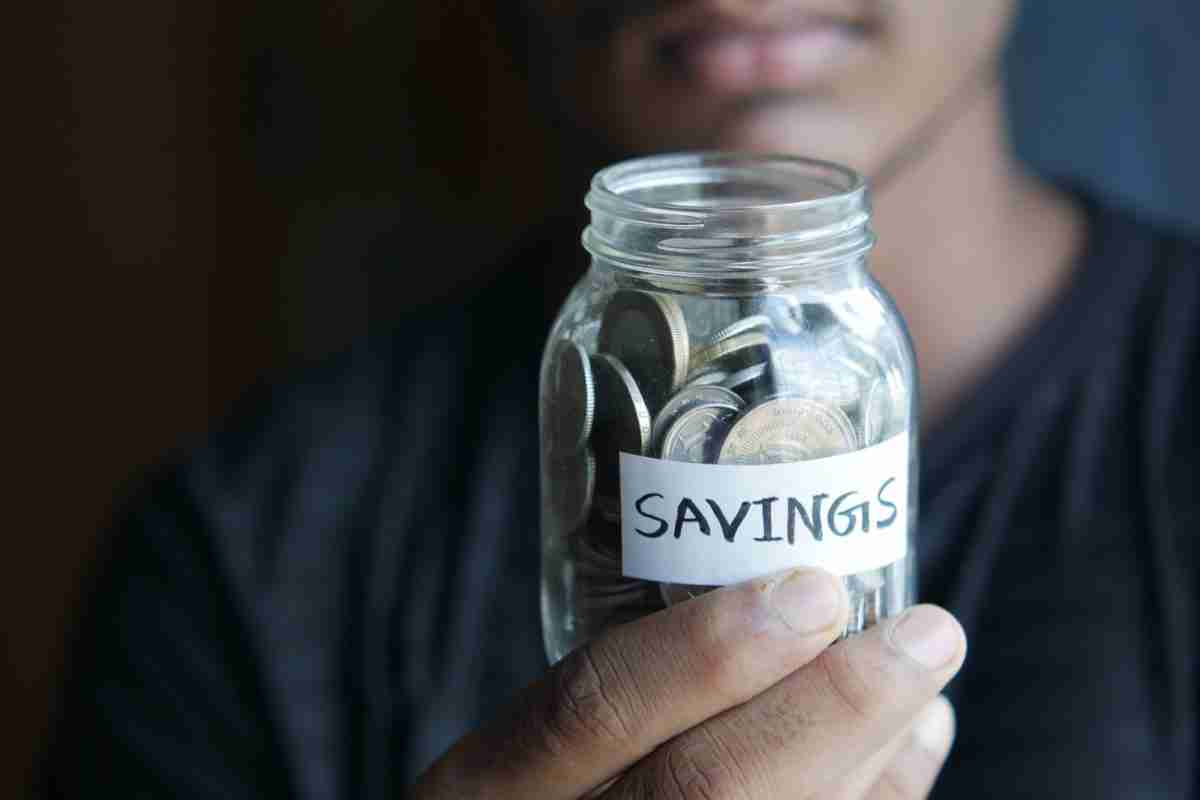


Unexpected expenses always seem to happen at the worst possible times, don’t they? And when they do, it’s even more devastating when you have no safety net to fall back on and give you time to get back on your feet.
An emergency fund is a sum of money you set aside, specifically for unexpected expenses. Having one can help you avoid going into debt or borrowing money from family and friends when an unforeseen event occurs, therefore saving you from financial distress.
Here are some ways you can start saving more money for your emergency fund:
Have a plan.
For many people, the general rule of thumb is to save up enough money to cover three to six months’ worth of living expenses in case of an emergency. However, this can seem like a daunting task, especially if you’re already struggling to make ends meet. One way to help you reach your savings goals is to create a plan. When you know what you’re going to need to cover in an emergency, you can start setting aside money each month to cover those expenses.
This will help make sure that in the face of unexpected events like sudden job loss, emergency medical bills, or emergency home repairs, you’d have the means to pay for the costs and stay afloat.
Cut back on unnecessary expenses.
One area where you can trim your budget is by cutting back on entertainment and dining out. Perhaps you can exercise a bit more control over things like nights out, weekends away, and shopping trips. Instead of going to the movies or out to eat, try renting a movie or cooking at home. Making a few simple changes to your lifestyle can help you put away more money to your emergency fund.
Another way to save money is to shop around for better deals on everyday items like groceries and clothing. By taking the time to compare prices, you can save yourself a significant amount of money over the course of a year.
Find more ways to earn an income.
Make extra money by selling unwanted items online. Thanks to the internet, it’s easier than ever to make listings and connect with buyers who might be interested in what you have to sell.
Or, offer your services as a freelance worker. The great thing about freelance work is that you can often set your own rates and hours. If you have a skill or talent that others are willing to pay for, you can consider setting up a side hustle to earn some extra cash. This money can then be funneled into your emergency fund, providing you with a financial cushion in case of an unexpected event.
Get creative with your living situation.
If you have a spare room in your house, perhaps you could consider renting it out on Airbnb. Not only would this provide you with some extra income each month, but it could also help you offset some of your monthly expenses.
Alternatively, if you’re not ready to take on the responsibilities of being a landlord, you could consider subletting your apartment for the summer or taking on a roommate. Although these may not be ideal long-term solutions, they can help you save more for your emergency fund in the short term.
Make it a priority.
Just like any other bill, make your emergency fund payment the first thing you pay each month.
One efficient option is automating your savings. Sign up for a direct deposit from your paycheck into your savings account, so you won’t even see the money and you’ll be less likely to spend it. You also have the option of setting up automatic transfers from your checking account to your savings account each month. This can help you build up your savings quickly and painlessly.
Have a separate savings account for your emergency fund.
While there are no hard and fast rules about how many savings accounts you should have, there are some benefits to opening a separate account for your emergency fund.
For starters, keeping your emergency fund in a separate account can help you avoid the temptation of dipping into it for non-emergency expenses. If it is mixed in with your other savings, it may be tempting to spend your emergency fund on a last-minute vacation or a new pair of shoes. However, if it’s in a separate account, you’ll be less likely to touch it unless it’s truly an emergency. Additionally, having a separate account can help you track your progress towards your goal. When you can see how much you’ve saved specifically for emergencies, it can be motivating to keep adding to it.
Budget when giving gifts.
Around the holidays, it’s easy to get caught up in the buying frenzy and blow your budget on gifts. It can be especially tempting when you see an expensive item that you think the person you’re buying for would love – but resist the urge!
Try to set a budget for each person that you need to buy a gift for. Once you have a dollar amount in mind, stick to it! Remember that you can also take advantage of sales and discounts. Stores typically offer great deals on items leading up to the holidays, so try to do as much of your shopping as possible during these sales periods.
Final Thoughts
Saving for an emergency fund is important for everyone, not just people with a lot of financial responsibilities. An emergency fund is a foolproof way of preparing for unexpected expenses and making sure that you’ll have the financial security you need in case of an unanticipated setback.
Discover more from The Cameron Journal
Subscribe to get the latest posts sent to your email.


