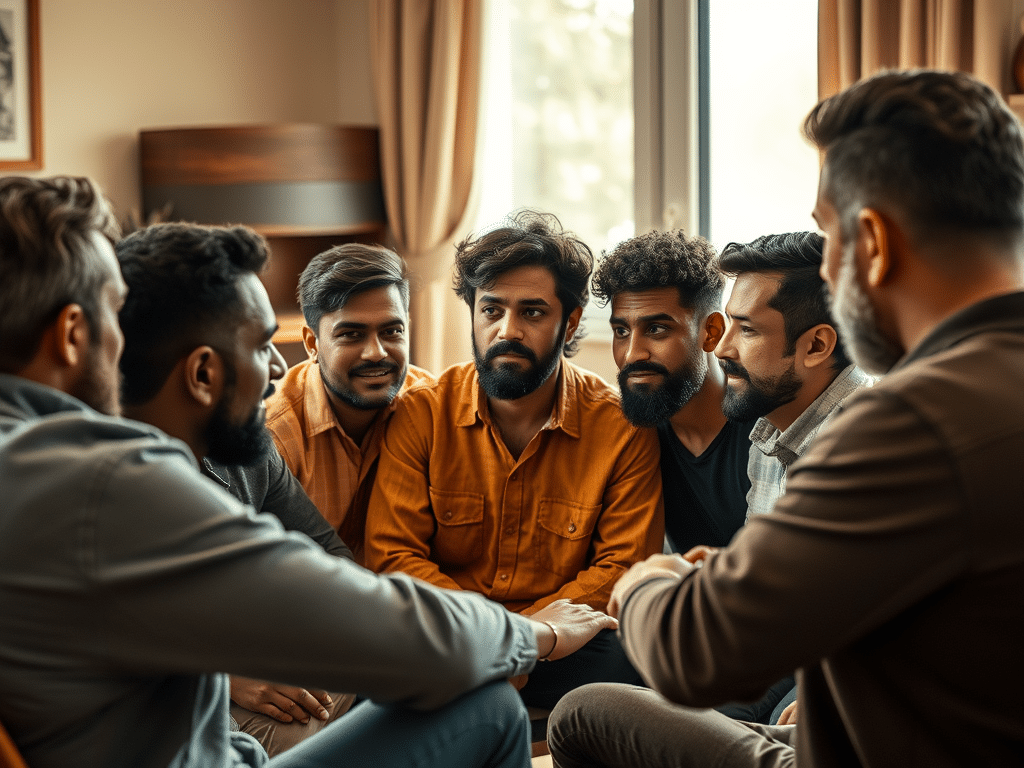

Toxic masculinity is this idea that men have to act or behave in certain ways to present themselves as ‘manly.’ The problem with these ideas and concepts behind masculinity is that they end up having some detrimental effects on men, women, and the wider society. Hence, these traits are toxic.
Anyone reading this, whether you grew up as a man or a woman, will know exactly what we’re talking about. As little boys, we’re taught to do things in certain ways to be manly or masculine. It’s frowned upon for boys and men to show their emotions or to like certain things. You have to be passionate about sports, you need to drink beer, you need to be tough and asset yourself as an alpha male.
The problem with this is that it’s complete and utter bull. It’s completely fine if one man loves action motor sports, getting drunk on the weekend, and smashing weights in the gym every day. But, it’s equally fine if another man hates all of these things and is more in touch with their emotional side. This doesn’t mean that one of these men is more of a man than the other. Unfortunately, society will have you believe that there is a difference between the two and that one of these men is a ‘proper man’ while the other isn’t.
Where does toxic masculinity come from?
Where does toxic masculinity come from?The idea of toxic masculinity is rooted in our history as a human race. There’s always been this preconceived nothing that men are the dominant sex, and women are the more emotional ones. We have constantly been bombarded with images of men in the media and movies, showing these macho-style guys with big muscles and no emotions. The idea of being in touch with your emotions or not macho was never celebrated in the same way – in fact, it was completely frowned upon. This has all led to men believing they need to act in certain ways, which ultimately has consequences on life for other people.
But, will it always be like this? Can we get rid of toxic masculinity once and for all?Practical steps matter as much as changing images on screen: creating regular, supported spaces where men can practise vulnerability helps shift entrenched norms. Community programs and facilitated groups give men permission to speak about feelings, test new behaviours and build emotional skills over time. Organisations offering focused men workshops often emphasise peer connection and simple exercises that strengthen emotional literacy rather than prescribing a single ‘right’ way to be a man. These hands-on approaches complement better role models by giving men lived experience of healthier, more flexible masculinities.
Yes, but it will take time
It is entirely possible that we can rid the world of toxic masculinity, but it will take a long time. Think about it, the concept of what it means to be a man was something that was shaped over generations. Hundreds of years fuelled the idea of what men should and shouldn’t do. But, we can change this. If we start showing different representations of men in the media and on TV shows, we can start making a difference.
It’s all about letting young boys know that you don’t have to act a certain way to be masculine. You can do whatever you want, like whatever you want, and completely subvert what most people typically see as ‘manly interests.’ If the next generations grow up with better role models and better representations of men, we can slowly start changing people’s perceptions of masculinity. It will take time, but there is potentially a better future out there.
Discover more from The Cameron Journal
Subscribe to get the latest posts sent to your email.