
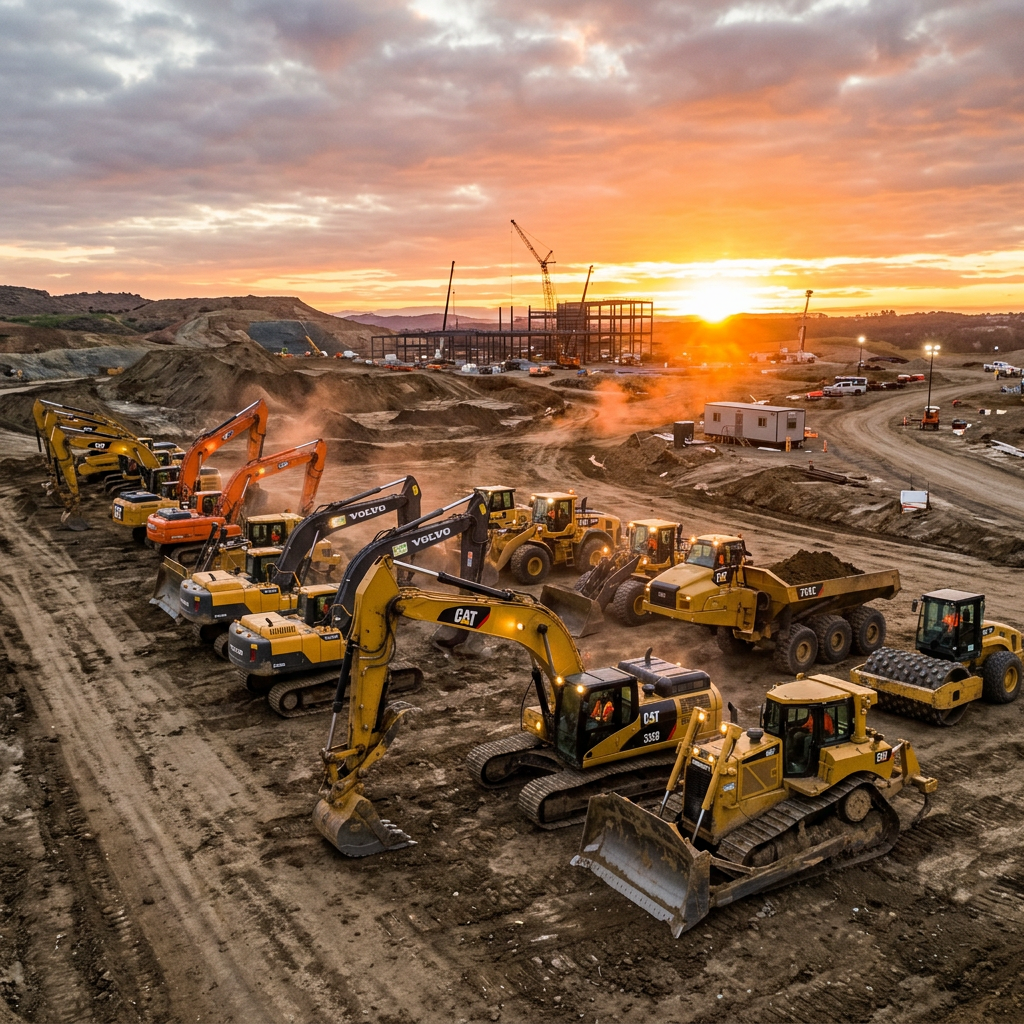
Project demands can change very quickly. A job that begins with a straightforward scope can expand, timelines can shift, and equipment requirements can evolve as work progresses. For businesses operating in construction, civil works, landscaping, or infrastructure, having reliable access to the right machinery is often just as important as having a skilled team on site.
Many organisations are reconsidering the balance between owning equipment and accessing it when required. While ownership has its place, flexibility is becoming something that is considered more when it comes to managing costs and maintaining efficiency across different projects.
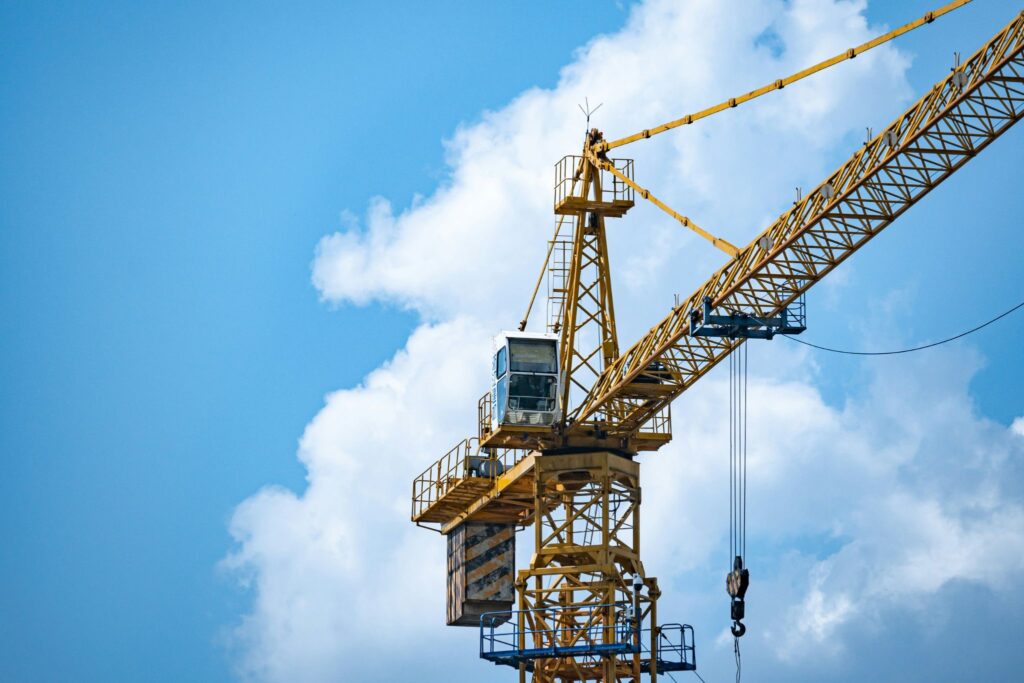
Reducing Capital Expenditure
Purchasing heavy machinery requires a significant financial commitment. Beyond the initial purchase price, there are ongoing expenses including maintenance, storage, insurance, servicing, and transportation.
For businesses working on varied projects throughout the year, ownership can sometimes mean valuable equipment sits idle between jobs. Capital remains tied up in assets that are not actively generating revenue.
Using professional equipment hire services allows businesses to access the machinery they need without the substantial upfront investment. This can help to free up a lot of resources for hiring staff, expanding operations, or securing new contracts.
Access to the Right Equipment for Every Project
No two projects are the same. A residential development may require compact earthmoving equipment, while a larger commercial site may demand machinery with greater capacity and reach.
Hiring equipment gives project managers the ability to select machinery that suits the specific requirements of each job. Rather than adapting a project around available assets, teams will be able to choose equipment that supports productivity and efficiency from the outset.
This type of flexibility can be very useful for specialist tasks that come up occasionally but do not justify a long-term equipment purchase.
Improving Productivity and Reducing Downtime
Equipment performance has a direct impact on project schedules. Delays caused by breakdowns or outdated machinery can quickly affect productivity and increase operating costs.
Reputable hire providers will make sure their fleets are maintained properly and that they are regularly inspected. This means machinery arrives ready for use and is supported by ongoing maintenance programs.
Access to newer equipment can also improve your operational efficiency. Modern machines often include features designed to enhance performance, reduce fuel consumption, and support safer working conditions on site.
Supporting Business Growth and Scalability
Workloads rarely remain consistent throughout the year. Some periods may involve multiple concurrent projects, while others may be considerably quieter.
Equipment hire provides the flexibility to scale operations to meet the demand that you have. Businesses can increase machinery capacity during busy periods and reduce commitments when project volumes decline.
This type of adaptability allows organisations to pursue larger opportunities without needing to buy equipment outright.
Final Thoughts
Successful projects rely on careful planning, skilled staff, and dependable equipment. Having access to the right machinery at the right time helps businesses maintain momentum, manage cost, and respond effectively to changing project requirements.
As industries continue to face shifting workloads and tighter budgets, flexible equipment solutions offer a practical way to remain competitive while maintaining operational efficiency.
Discover more from The Cameron Journal
Subscribe to get the latest posts sent to your email.




