In construction, there is very little room for error. There’s an even smaller margin for financial mistakes. Yet many companies make similar mistakes over time and time again that eat into profitability. And for the most part, it’s not the dramatic failures that impact the bottom line, it’s the recurring preventable mistakes that you don’t see you’re making or the habits you don’t change.
Let’s take a look at a few mistakes that are common in the construction sector.
Buying Equipment Not Hiring It
The instinct to own your equipment is understandable, but sometimes it’s not always the right choice to make.
The reality is that ownership comes with a slew of costs, including depreciation, insurance, storage, repairs, maintenance, servicing, labour, parts, etc. It’s not cheap, and it might feel like the best decision on paper, but in reality, it’s much different.
For equipment that is used intermittently rather than continuously, the economics rarely stack up. If you purchase an excavator and it’s sitting idle more than it’s being used, this is still costing you money and putting up capital. When project requirements vary in scope and scale, as is common in construction, excavator hire and similar rental agreements are often a better financial decision. It gives you access to what you need without the ongoing costs of ownership, and you can scale up and down depending on the contract and project you’re working on.
Understanding Project Timelines
Timeline underestimation is a common issue that comes up time and time again. Sure, you want a quick turnaround, but it also needs to be realistic, too. Once one aspect of the project overruns, it bleeds into everything downstream — labour scheduling, equipment allocation, subcontractor availability and client relationships.
The cause of this is usually predictable in retrospect. The fix here is to build contingencies into your plans and timelines from the start. You need to review estimates against actual performance on previous jobs to reduce the gap between what you plan and what actually happens.
Poor Site Planning
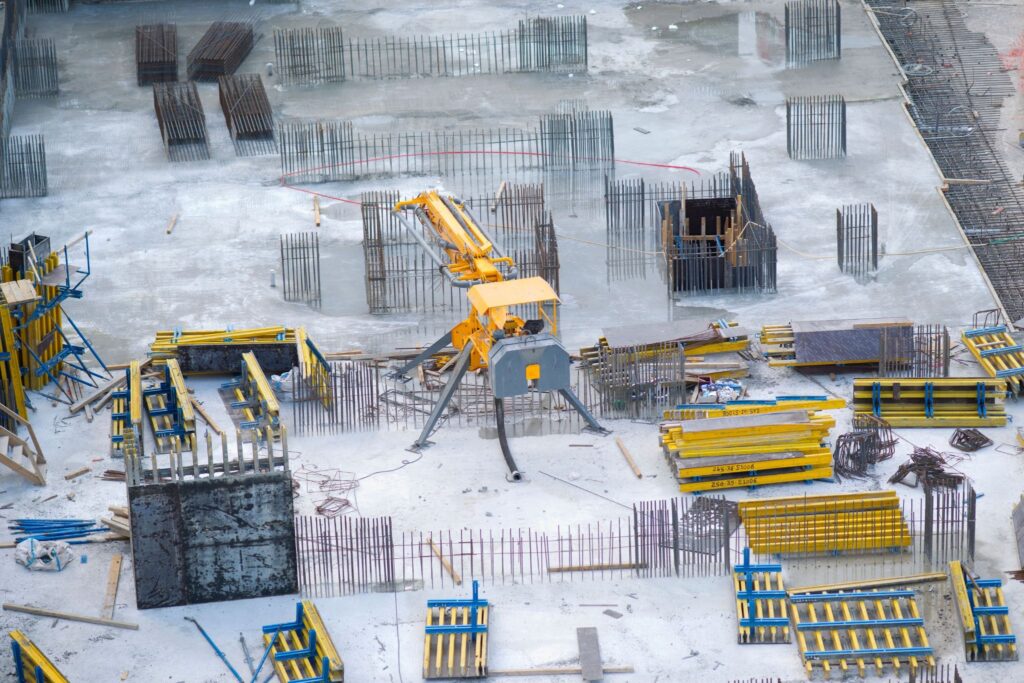
The decisions you make before a shovel hits the ground will have an outsized impact on how efficiently a project runs. Site access, material storage, equipment positioning, sequencing of trades and waste management all need to be thought through in advance. If they’re not, the result is a site that creates its own friction. You get vehicles and workers getting in each other’s way, materials that end up being moved twice, and time being lost to problems that should have been anticipated.
You don’t need an elaborate site plan for it to be effective. You just need to be able to identify the constraints and decision points before the problems in the middle of the working day.
Not Accounting for Hidden Costs in Project Budgets
The more visible costs of a project, such as materials, labour, plant hire, and subcontractors, are relatively straightforward to estimate. But the ones that will catch you tend to sit below the surface. It’s things like disposals, site remediation, compliance costs, defect rectification, project management time and the administrative overhead of running a job.
When you don’t account for these costs, they come out of your margin, and cumulatively over multiple projects, this will be significant. You need to build a thorough checklist before you set your budget by using the costs from previous projects to help you make sure nothing is missed.
Discover more from The Cameron Journal
Subscribe to get the latest posts sent to your email.