Table of Contents
- The Value of Reliable Power During Outages
- Why Power Outages Are Becoming More Common
- Impact on Health and Safety
- Protecting Your Home’s Appliances and Technology
- Increase in Property Value and Home Appeal
- Long-Term Financial Benefits
- Modern, Eco-Friendly Generator Options
- Steps to Choose the Right Whole Home Generator
- Community Preparedness and Emergency Planning
- Final Thoughts
The Value of Reliable Power During Outages
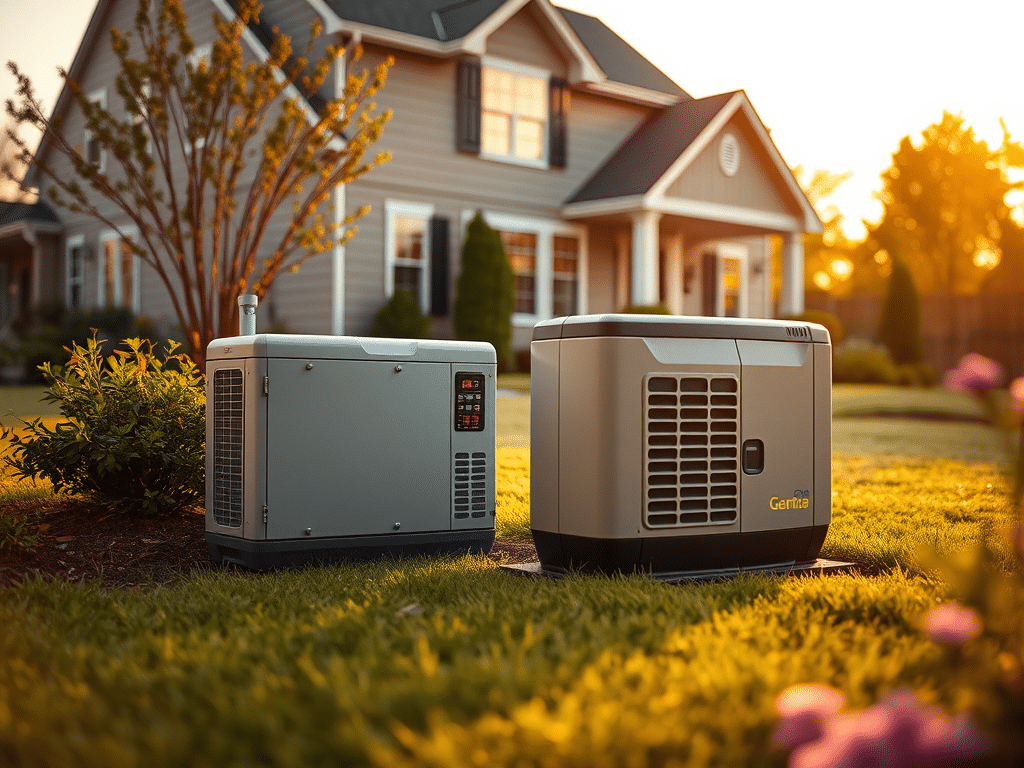
Power outages can happen when you least expect them, bringing life to a standstill and disrupting your home’s safety, comfort, and daily routines. Imagine the frustration—and potential danger—of sudden blackouts, especially if you have family members who depend on uninterrupted electricity. With a properly sized whole home generator, your essential systems and devices come back online in seconds, letting you maintain normalcy through any power loss event. Investing in whole home generator installation in Matthews NC gives you peace of mind that your home will remain powered around the clock, no matter what’s happening outside. These systems are especially critical for households in areas prone to storms or where reliable electrical service is crucial for health and safety.
Why Power Outages Are Becoming More Common
In recent years, the United States has experienced a striking rise in both the number and length of power outages. Aging electrical infrastructure, severe weather events, and surging energy demand have created a less stable grid. Experts expect blackouts to increase due to climate change as heatwaves and major storms intensify. Without a backup power source, homeowners risk being left in the dark for extended periods.
Impact on Health and Safety
- Loss of heating or air conditioning during heatwaves or cold snaps can endanger lives, especially among vulnerable populations.
- Food spoilage from refrigerator failure risks costly waste and potential illness.
- Essential medical devices, such as oxygen machines or powered wheelchairs, may become unusable without electricity.
The Centers for Disease Control and Prevention (CDC) stresses the importance of preparing for outages to safeguard your family’s health. A whole home generator eliminates uncertainty and supports vital medical and safety needs, turning a potential crisis into a manageable inconvenience.
Your Home’s Appliances and Technology
When power returns after an outage, a sudden surge can damage sensitive electronics, high-end appliances, and home automation systems. Whole-home generators, equipped with automatic transfer switches and surge protection, deliver stable voltage and prevent these damaging spikes. This can extend the life of your devices and shield your investments from costly repairs or replacements, especially as homes grow more reliant on technology for work, learning, and entertainment.
Increase in Property Value and Home Appeal
Backup generators have become a standout feature for savvy homebuyers. In real estate markets vulnerable to weather extremes or unreliable grids, a professionally installed generator is an assurance of readiness and self-sufficiency. According to leading agents, homes with backup power frequently attract more interest and command higher offers. A whole home generator substantiates a home’s preparedness, boosting both resale value and curb appeal in competitive markets.
Long-Term Financial Benefits
Though a whole home generator is a significant investment, its protection quickly pays dividends. Homeowners can save thousands of dollars over the system’s lifespan by averting losses from spoiled food, burst water pipes, or the need for temporary accommodations. Additionally, many insurance carriers recognize the added protection and may offer discounted premiums for homes fitted with backup power. Over time, these financial savings help offset your initial investment and make owning a whole home generator a practical decision.
Modern, Eco-Friendly Generator Options
Today’s backup generators are engineered for efficiency, operating more quietly and with fewer emissions than older models. Eco-friendly choices, including units compatible with natural gas or biofuels, allow homeowners to maintain a smaller carbon footprint. The EPA’s guide to cleaner generator options describes new technologies that help families meet both their energy needs and environmental goals.
Steps to Choose the Right Whole Home Generator
- Determine the essential circuits and appliances you need to keep running, and add up their total wattage requirements.
- Select a fuel source that’s readily available and suits your local energy infrastructure. Options include natural gas, propane, and diesel.
- Prioritize models equipped with an automatic transfer switch for seamless activation when the main power drops.
- Hire a licensed electrician or certified installer to ensure a safe, code-compliant setup.
- Schedule routine maintenance and annual inspections to keep your system reliable for years to come.
Carefully weighing these factors ensures you choose a backup power solution perfectly tailored to your home and lifestyle.
Community Preparedness and Emergency Planning
Having a whole-home generator isn’t just about personal convenience—it supports broader community resilience. In times of widespread outage, homes with backup power can stay connected, share vital updates, and assist neighbors until services are restored. Back-up generators play an important role in disaster response planning by lessening the burden on emergency services and increasing community self-reliance during storms or other crises.
Final Thoughts
Home generator installation goes beyond convenience—it’s about safeguarding your family, protecting your property, and ensuring peace of mind no matter what the weather or grid may bring. From preserving health and safety to enhancing home value and long-term savings, the advantages of reliable backup power are both immediate and lasting. Today’s generators are brighter, cleaner, and more efficient with modern, eco-friendly options. By making this investment, homeowners secure their own households and contribute to stronger, more resilient communities.
Discover more from The Cameron Journal
Subscribe to get the latest posts sent to your email.