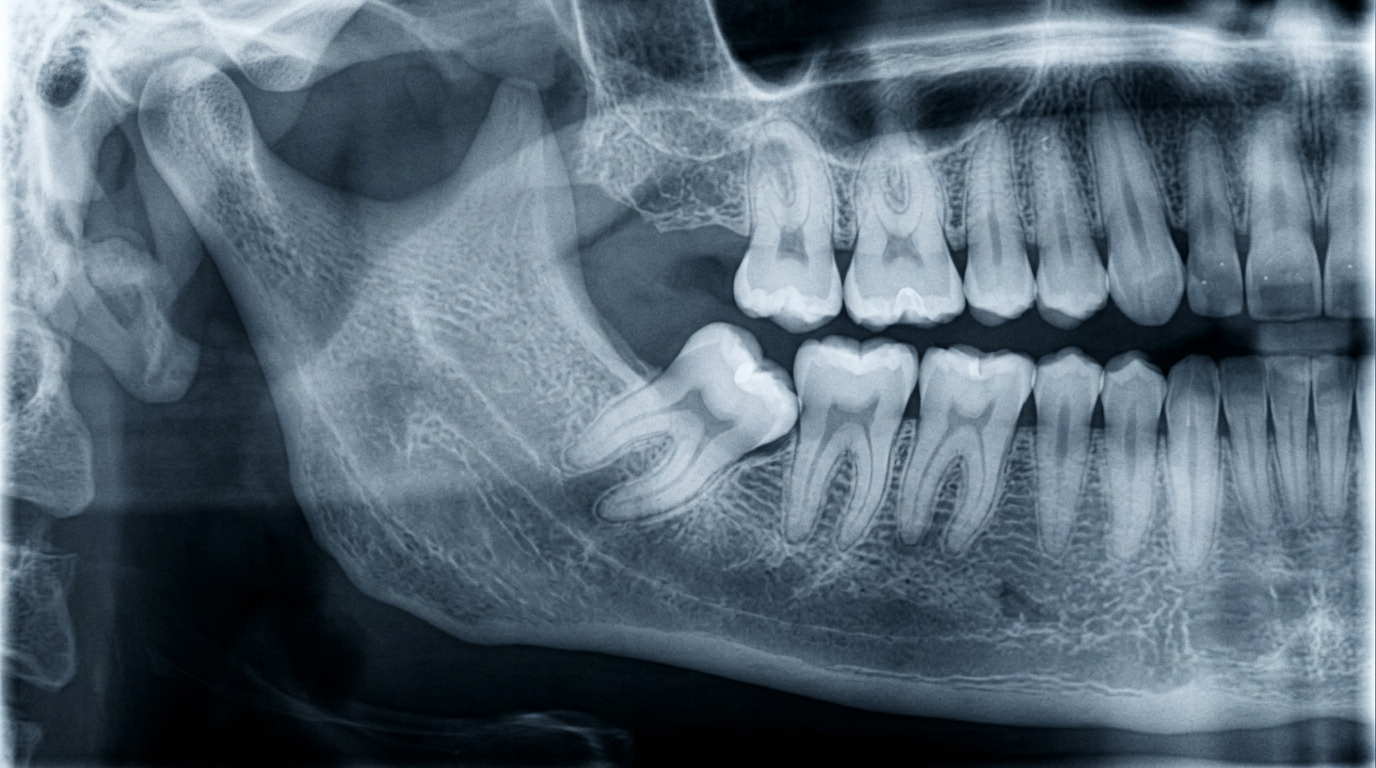
For most young adults, the arrival of third molars is a predictable, albeit uncomfortable, rite of passage. According to estimates from the Australian Institute of Health and Welfare, approximately 70 to 85% of Australian adults will have at least one wisdom tooth that fails to erupt into a cleanable, functional position. Data released by the Australian Dental Association in 2026 also revealed that 60% of young Australians aged 18 to 25 experience wisdom teeth issues, yet many delay treatment due to cost-of-living pressures. While putting off treatment might seem harmless, waiting until severe pain strikes is a risky strategy. Delaying necessary dental procedures disrupts your long-term oral health timeline, turning a straightforward preventive step into a complex medical issue.
The Biological Clock of Jaw Development
The ideal window for addressing third molars is typically between the ages of 17 and 25. During this youthful period, the roots of these teeth are not yet fully formed, and the surrounding jawbone remains relatively flexible. This biological advantage makes surgical extraction less technically demanding and significantly reduces post-operative recovery time. As patients progress into their thirties, the jawbone becomes much denser. Clinical research indicates that delaying extraction until after age 30 can make the procedure biologically more complex, increasing complication rates up to five times compared to early intervention.
If you live in Sydney and experience jaw stiffness or crowding, scheduling a wisdom tooth extraction redfern locals’ trust can prevent localised issues from compromising your entire smile. Addressing these early warning signs before the bone hardens ensures a smoother, more predictable recovery and keeps your dental timeline firmly on track.
Localised Complications and Long-Term Damage
When an impacted tooth is left untreated, it does much more than just ache occasionally. It creates an environment ripe for chronic oral health decline. Official health factsheets from the Better Health Channel warn that impacted wisdom teeth can cause severe gum infections and irreversible damage to neighbouring teeth, which is why clinical guidelines strongly advise removing them early before the roots are fully developed.
The physical changes that occur when problematic molars are ignored are gradual but highly destructive. Common localised consequences of delayed treatment include:
- Pericoronitis: This is a painful condition where trapped bacteria cause recurrent, worsening infections under the gum flap of a partially erupted tooth.
- Root Resorption: An impacted tooth can push forward into the adjacent second molar, creating impossible-to-clean pockets that cause decay and destroy healthy root structures.
- Nerve Entanglement: Over years of delayed treatment, lower wisdom teeth roots can grow deeper and entangle with the inferior alveolar nerve, sometimes forcing surgeons to perform a coronectomy (removing only the crown) to avoid permanent nerve damage.
- Cyst Formation: Fluid-filled sacs can form around the crown of an unerupted tooth, eventually eroding the surrounding jawbone and neighbouring tissues.
The Systemic Impact of Oral Inflammation
The consequences of avoiding dental intervention extend far beyond the immediate jaw area. A pocket of bacteria trapped around a partially erupted tooth creates a continuous source of chronic, low-grade inflammation. This bacteria can easily enter the bloodstream, putting relentless stress on your immune system. As explored in a detailed guide on the surprising ways your oral health impacts your overall wellbeing, untreated oral inflammation can trigger widespread systemic health risks and disrupt your entire physical health over time.
Recent data highlights the severity of these neglected infections. A 2026 systematic review of potentially preventable hospitalisations in Australia found that nearly 27% of oral health-related hospital admissions were directly associated with severe third molar complications. What begins as minor jaw stiffness can quickly evolve into a systemic infection requiring urgent, costly medical intervention.
Securing Your Future Health
Modern dental guidelines strongly support the early intervention removal of impacted teeth over the outdated wait-and-see approach. To combat the trend of delayed treatment, many Australian dental practices now utilise interest-free financing schemes to make early preventive care more accessible for young adults. By viewing third molar extraction as a time-sensitive wellness milestone rather than an optional fix, you protect the alignment of your smile and the integrity of your overall health timeline.
Discover more from The Cameron Journal
Subscribe to get the latest posts sent to your email.