You know your dog pretty well.
You know which treat they like best, where they like to sleep, and exactly how excited they get when you pick up the leash.
But as dogs get older, things can start to change. They may sleep more, walk a little slower, or lose interest in some of the things they used to love.
If they could explain what’s going on, here’s what they might want you to know.
“I Still Like Going for Walks. Just Not as Far.”
Your dog may still get excited when you grab the leash, but that doesn’t mean they can handle the same walk they did a few years ago.
Older dogs often need more breaks and shorter walks. They may also prefer familiar routes or a slower pace where they can stop and sniff as much as they want.
There’s nothing wrong with changing the routine to match what your dog can comfortably do now.
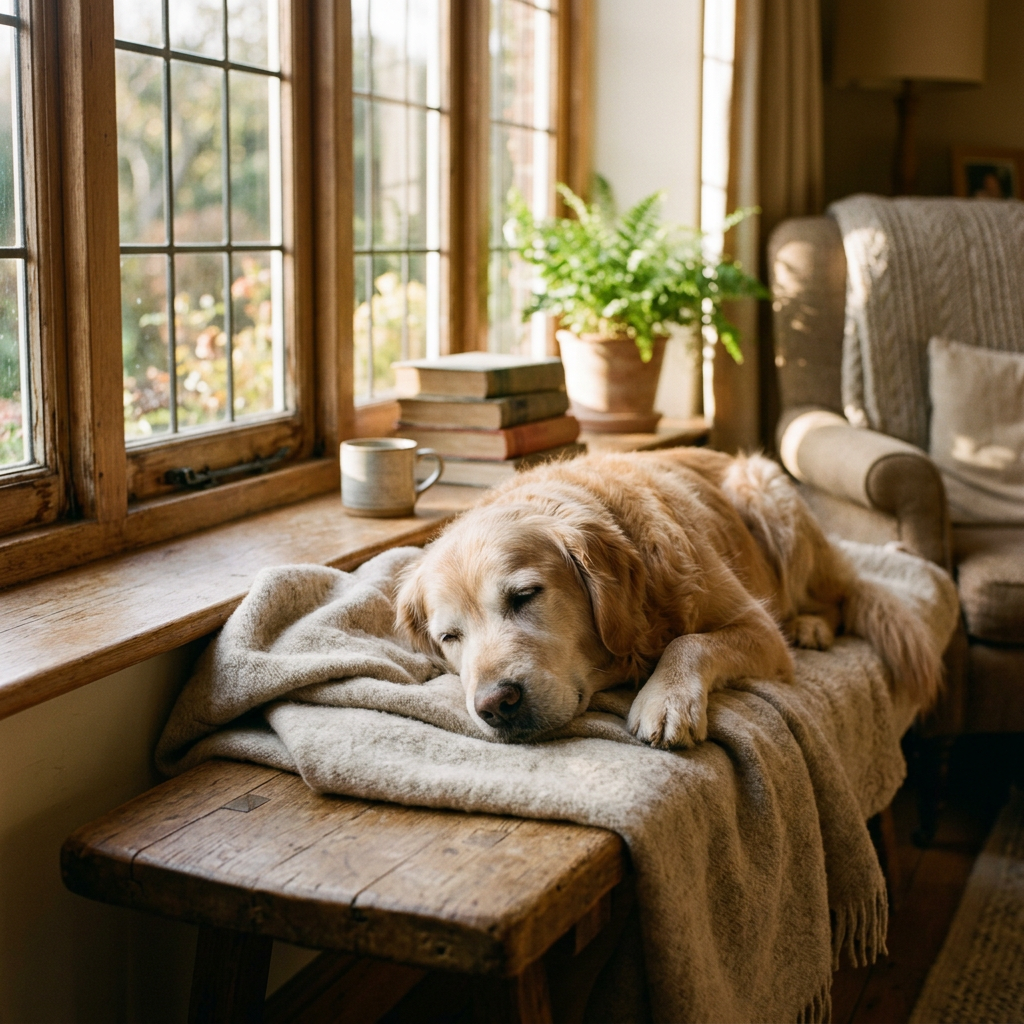
“I Have a New Favorite Place to Sleep.”
Maybe your dog used to sleep wherever you were. Now, they have a very specific spot that they refuse to give up.
That’s normal. Older dogs often spend more time sleeping, so a comfortable bed in a quiet, easy-to-reach spot can make a big difference.
If you notice that your dog is suddenly sleeping much more than usual, though, or seems uncomfortable when getting up or lying down, it’s worth checking with your veterinarian.
“I Just Want to Be With You.”
Your dog may be slowing down, but they probably still want to be part of whatever you’re doing.
They may follow you from room to room, curl up beside you on the couch, or simply sit nearby while you go about your day. These little moments can tell you a lot about how they’re feeling and what they still enjoy.
As they get older, paying attention to these everyday moments can help you understand their overall well-being. A dog quality of life assessment can also help you look at things like happiness, comfort, mobility, and appetite when you’re trying to understand how your dog is doing.
“It’s Okay To Let Me Go.”
This may be the hardest thing to imagine when you love your dog.
For dogs with serious illnesses, there may come a time when keeping them comfortable becomes more difficult. A dog with kidney disease, for example, may gradually experience changes in appetite, energy, thirst, and overall comfort.
At that point, you may find yourself asking when to euthanize my dog with kidney failure. It’s an incredibly difficult decision, but sometimes letting a beloved dog go can be the kindest way to prevent unnecessary suffering.
Your veterinarian can help you understand your dog’s condition, what to expect, and when it may be time to consider this option.
“I’m Still Me.”
Getting older doesn’t change the things that make your dog who they are.
They might still greet you at the door, steal your spot on the couch, beg for food, or insist on carrying around the same battered toy they’ve had for years.
They may just need a little more patience along the way.
So let the walks be shorter. Let them take the stairs slowly. Give them a comfortable bed.
And when they look at you with those same familiar eyes, remember that your old dog is still the dog you’ve always known—just moving through life at their own pace.
Discover more from The Cameron Journal
Subscribe to get the latest posts sent to your email.