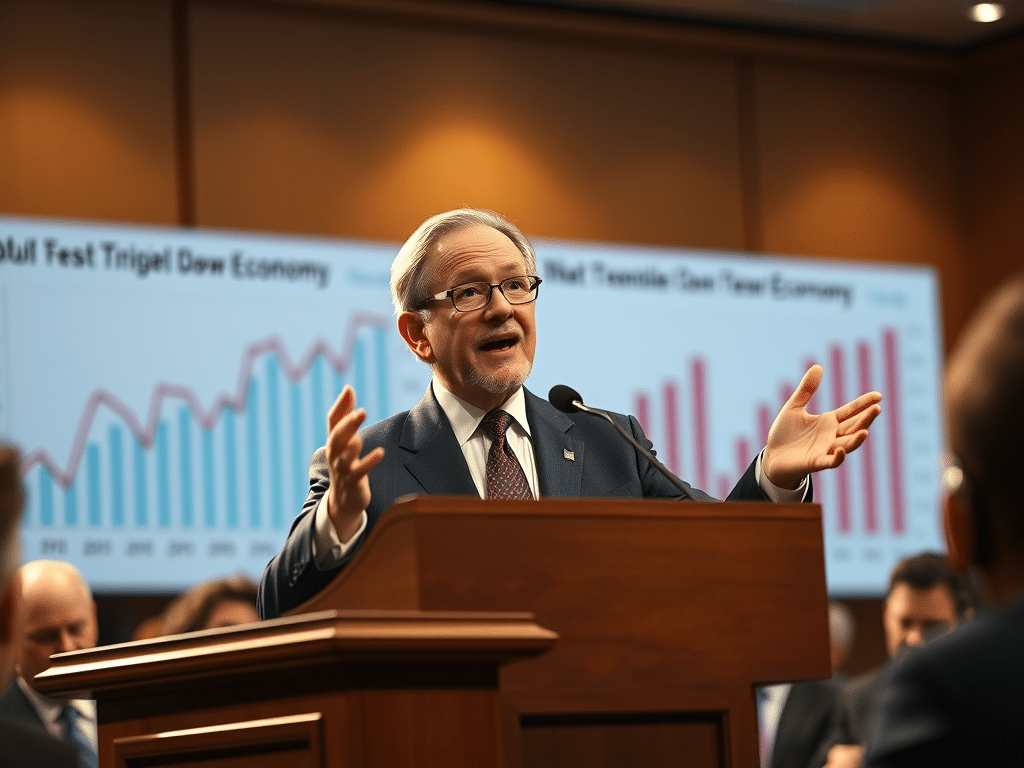
If you don’t follow Robert Reich on Facebook, you should. Why? Robert Reich is the former Secretary of Labor under Bill Clinton. He is diminutive at 4′ 10″ but his voice in inequality is loud and right now and it has one singular message: the “trickle down” economy is not working and needs to come to a stop, now. He starred in a film called, “Inequality for All” (on Netflix) and he demonstrates how the growth of the economy, new industries and other gains don’t really make it down to the people because those profits stay at the top. When a new app or tech start up gets sold or monetized, there are only a few people who benefit from that largesse. Robert Reich reminds us that 30 million people spending little bits of money over a long period of time creates long-term jobs and growth rather than vesting vast sums of wealth in the hands of the few who can only spend so much and have so much economic impact. Even Ayn Rand, the economic darling of the Right, understood that you had to free people to innovate and make money for themselves in order for those people to employ other people, build businesses, and create growth. I think even Ayn Rand would find the inequality that plagues our modern society to be a bit beyond disturbing and while her solutions would be solidly private sector; I think she would be in favor of some reforms. Mr. Reich on Facebook is constantly posting about inequality and what we can do to fix it and pointing how the system works for everyone but the everyday person. If you don’t follow, please do because his posts are very informative and give a great perspective.
As my readers all know, I’ve been working on my long essay, “We the Corporation” and one of the stickiest points that I’ve been working on is how to solve the problem. It is too easy to complain about something or explain how and why it happened. It is quite another thing to propose changes that are meaningful and viable. I did not have any good ideas until someone mentioned about work hours. Working hours have been decreasing for the last 200 years mostly because of technological changes. Inventions from the sewing machine to the cotton gin have saved time, energy, and people-power. Modern technological changes have had the same effect and with automation, that is only going to be more pronounced in the coming years. That left me with a problem and solution: do we really need to work 40 hours a week for standard employment or do we need to decrease that? Obviously, thanks to tech we can decrease the hours that we work. However, that presents a cash flow problem for a household. We already see this in the marketplace of human capital. Many stores only schedule their employees only when they are needed so they have the exact number of people at the exact moment that they are needed. This has led to people working 2 or more jobs and living the “on-call lifestyle” of never having a consistent schedule. Many jobs just don’t justify 40 hours a week and companies, using scheduling are already showing us that. One of the biggest problems with the recession is that most people are only working 20-32 hours a week. This data is problematic because wages are so low it leaves people in poverty. My solution is elegant. Full time, should be redefined to only 25 a week, however, wages must be increased to $15 an hour in order to compensate for the reduction of hours. This would leave someone at: $350 (rounded) after taxes per week ($1,400 a month) of full-time employment at a minimum. Two adults working these hours would bring in a moderate sum of money per month that would be manageable on minimum wage. This would also leave them to take other employment if they wished or if pursue leisure activities. Matched with a balance of raising taxes on wealthy people and creating programs that help everyone (paid leave, public retirement as I’ve outlined, universal health care, etc.) you could create the opportunity for a nice middle class as well giving value to the jobs that we are left with in this country. There are already people who do different kinds of jobs at different times of the day or have a “night job” or a “day job” and this system would encourage that as well as provide for people in a way that companies and people can both work with long-term. I think this could also be the basis for a new economic model that is based on providing people what they need when they need it rather than getting people stuck in long term contracts (think cell phones, cable, etc.). Other parts of the world already do this sort of thing and it is time that it comes to America.
The Bottom Line
Our economy needs help, badly. Leaving trillions in the hands of wealthy people is not the way to prosperity and we can’t tax to death either, we need to find a pathway forward that works in harmony with market changes and takes advantage of the new technology coming on line in the next few years. If we think different about productivity and how we utilize human capital then we can create good lives for everyone, not just the elite few.
Discover more from The Cameron Journal
Subscribe to get the latest posts sent to your email.