Skiing can be one of the most exhilarating ways to experience winter. But before heading onto the slopes, preparation is important. Having all of the right gear can make all of the difference between an awesome ski trip and one that turns frosty quickly. In this blog, we will cover some of the things that you need to pack for skiing.

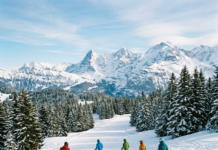
Photo by Maarten Duineveld on Unsplash
Ski Gear
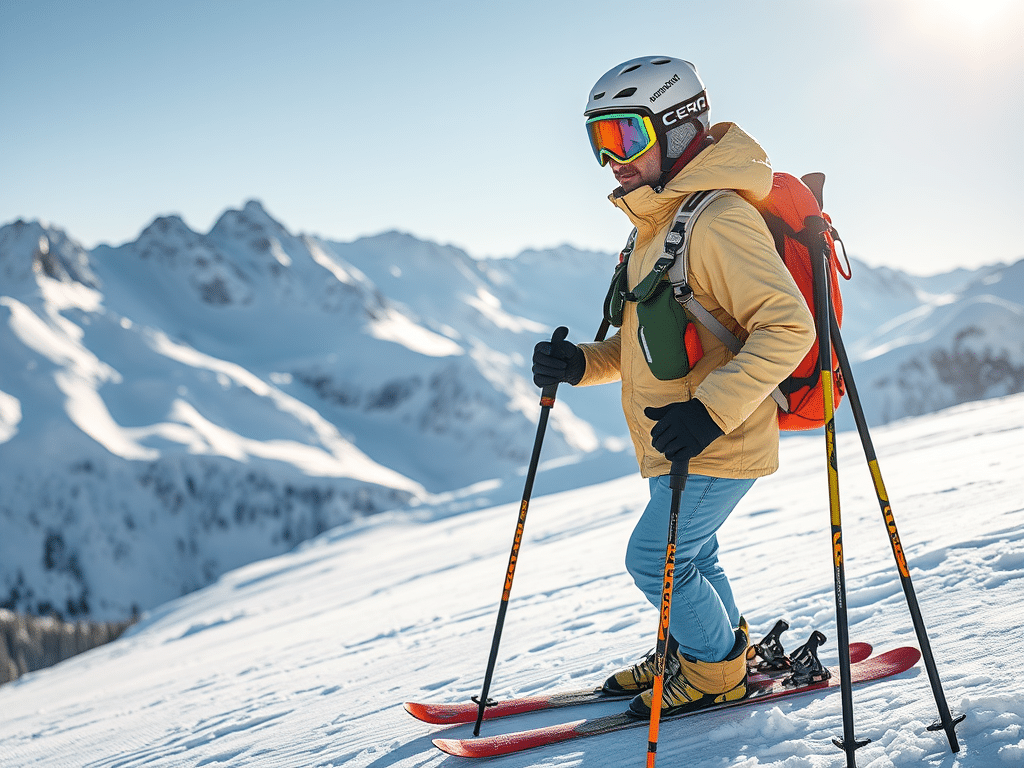
To get the most out of the experience of skiing, make sure that you have important pieces of gear, including:
Skis and Poles: Choose skis that are suited to your skill level. Beginners typically find shorter skis easier to manage, while advanced skiers may opt for speed or backcountry terrain-specific models. Poles should be lightweight and appropriately sized.
Ski Boots: Comfort is important as pinching boots can quickly turn the fun into frustration, so make sure your ski boots fit snugly without being too tight.
Helmet: Safety should never be left behind when it comes to traversing the slopes. Durable, certified helmets are an important requirement for safeguarding your head during skiing or snowboarding.
Goggles: Bright sunlight reflecting off of snow can be blinding, and snowstorms can reduce your visibility a lot. To stay safe on the slopes and protect against light glare and UV radiation, invest in quality ski goggles with anti-fog and UV protection features.
Renting ski gear is an excellent solution for beginning or occasional skiers looking to get introduced to skiing, giving them an opportunity to test various equipment before making a purchase. This rental process has become much easier for customers over the years. Many modern shops now use specialized ski rental software to manage their inventory and bookings online. This technology allows skiers to reserve their boots and skis in advance, reducing wait times when they arrive at the resort. It also helps the shop staff prepare the right gear sizes before the customer even walks through the door. As a result, visitors can spend less time standing in lines and more time on the mountain.
Layer Up for Comfort
To stay warm and dry in the freezing temperatures on the mountain, you should dress in layers as it gives you flexibility as conditions change. Here is our layering system:
- Base Layer: Start off with thermal underwear, like HeatHolders thermal underwear or another moisture-wicking fabric as a base layer. It should fit snugly but comfortably against your skin in order to effectively keep moisture at bay.
- Mid Layer: When choosing, an insulating layer such as fleece or a light down jacket are great to trap heat.
- Outer Layer: Waterproof and windproof ski jackets and pants that give you freedom of movement while shielding you from snowfall and cold winds.
- Accessories: Don’t overlook quality gloves and mittens, warm beanies and balaclavas, and ski socks as necessities to stay comfortable on your snow trek. Cold hands, feet or ears can quickly ruin the day.
Snacks and Hydration
Skiing requires a lot of energy, but winter’s chill can sometimes make people underestimate their hydration needs. Pack reusable water bottles or hydration packs so you can stay hydrated all day, and bring portable snacks like energy bars, trail mix or dried fruit for quick energy boosts between runs.
Conclusion
Skiing is more than a sport, it’s an unforgettable winter experience. From fresh mountain air, skis gliding over powder, and the rush of the descent, skiing can create unforgettable experiences that will make you do it again and again. However, preparation is the important thing to making sure this dream scenario doesn’t become a frozen disappointment. When you invest in the right gear such as ski boots and layering up carefully as well as packing the necessary supplies, you will be equipped to hit the slopes confidently and have an amazing ride ahead.
Discover more from The Cameron Journal
Subscribe to get the latest posts sent to your email.