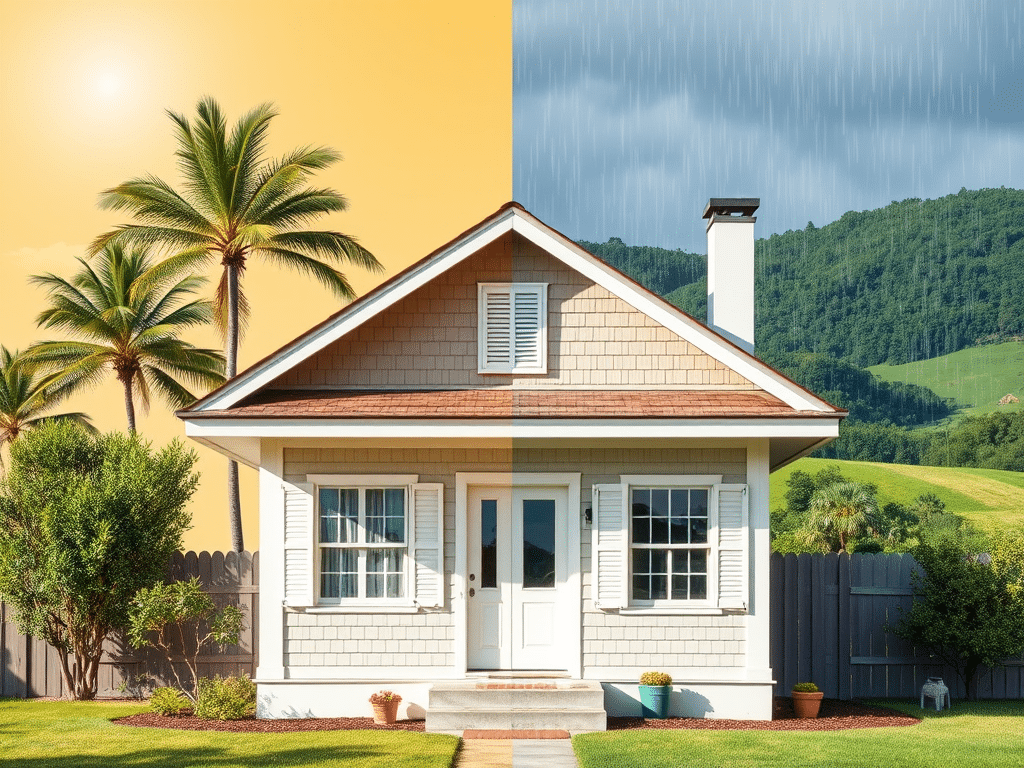

There are many different climates and microclimates around the world, and depending on where you live they can affect your household differently. If you’re moving long-distance (and usually also north or south compared to where you were before), this can dramatically change the weather you may expect.
Sure, perhaps that’s a great motivation to move there anyway. However, it’s also true that sometimes, this can make home maintenance a brand new discipline to think about. For example, you may need to install shutters on your windows to protect them from the sheer wind speed of windier environments.
You may have never considered water runoff before, but now you live in a rainy area and at the bottom of a hill, it’s your main household protection priority. In this post, we’ll consider three new household maintenance requirements that come with living in a new environment:
Managing New Pests
If you move to a brand new area, it could mean mean you’ll have to deal with a whole new cast of local creatures. Ask anyone that has moved to Australia. Though of course, sometimes these can be more dramatic than you think – think of alligators and crocodiles in Florida, or bears in Canada.
However, a different climate can also bring different insects that were never an issue where you lived before. You’ll want to research what’s common in your new neighborhood so you can prepare the home properly. Learning about the local pests is a good first step, and it may help you put protections in place. If the property isn’t already secure, you may need to adapt your regular pest control routine to deal with the new critters.
Consider Heat Warping
In a hot climate, a home’s structure can be put under a fair amount of strain. Intense heat and strong sun can cause materials like wood and vinyl siding to expand and contract, which leads to warping over time if not installed with high quality protection. This can cause doors and windows to stick, and it can also create little gaps that let air escape. You’ll get into a habit of looking for any signs of this, such as peeling paint or cracks. Protecting your exterior surfaces with special finishes can help a lot too, but it needs to be replaced.
Emergency Stocks
In a new area, the types of emergencies you might face can change completely. If you were used to blizzards, you may now need to be ready for hurricanes or flash floods. Building an emergency kit tailored to your new location can help you if you get stranded or if the power goes out, which should at least contain extra drinking water for extreme heat, or a generator for a region prone to power outages. Making sure you’re prepared for any new climate-specific issues isn’t necessarily fun, but it could save your life, or at least prepare your evacuation if you’re now living in a storm zone. Also, remember insurance, though you may need to pay more in areas of risk.
With this advice, we hope you can more easily maintain your household and prepare it for moving to a new location.
Discover more from The Cameron Journal
Subscribe to get the latest posts sent to your email.