Image Credit: Pexels
Outdoor recreation has grown into a major business category that reaches far beyond campsites and trailheads. Each weekend trip can generate spending on equipment, vehicle maintenance, lodging, meals, and local services. That activity supports retailers, tour operators, and small towns while giving consumers more ways to spend time outside. The boom also creates practical questions about responsible purchasing, dependable service, and sustainable tourism. Understanding those connections helps explain why recreation businesses are attracting serious attention from entrepreneurs and regional planners.
Economic Engines of Modern Recreation
Outdoor recreation supports an extensive network of manufacturers, dealerships, guides, repair shops, hotels, and restaurants. According to the U.S. Bureau of Economic Analysis, the outdoor recreation economy generated $1.2 trillion in economic output in 2023 and supported five million jobs.
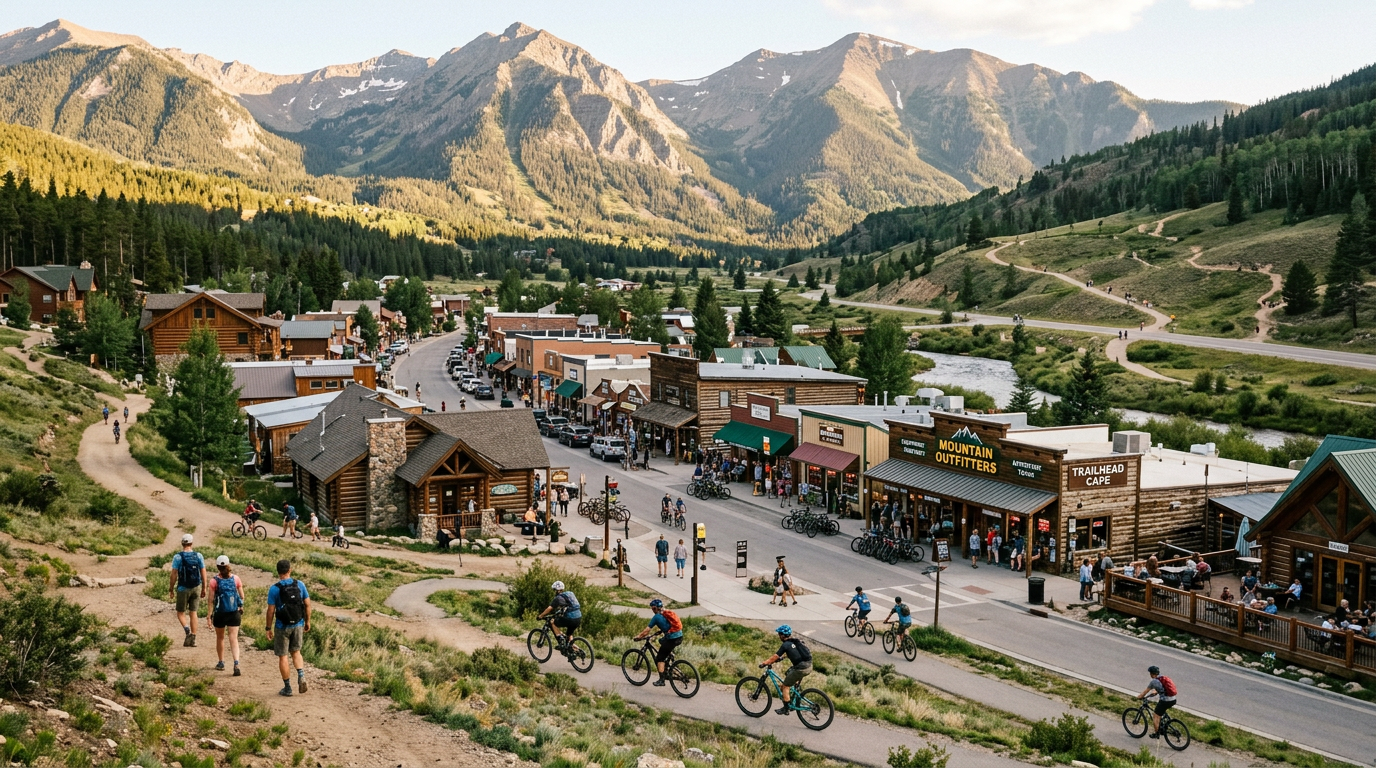
Much of that impact appears in ordinary purchases. A family visiting a trail system may book two hotel nights, eat at nearby restaurants, and buy supplies from a local store. Recreation businesses can build on this demand through seasonal service packages, rental programs and partnerships with lodging providers. Retailers can also explore practical ways of bringing more foot traffic to a business to turn seasonal interest into store visits and sales. Local officials can help by maintaining public access, posting clear visitor information and supporting events that spread traffic across the year, which is a form of geographic diversification that protects businesses against regional economic shifts.
Shifting Consumer Spending on Adventure
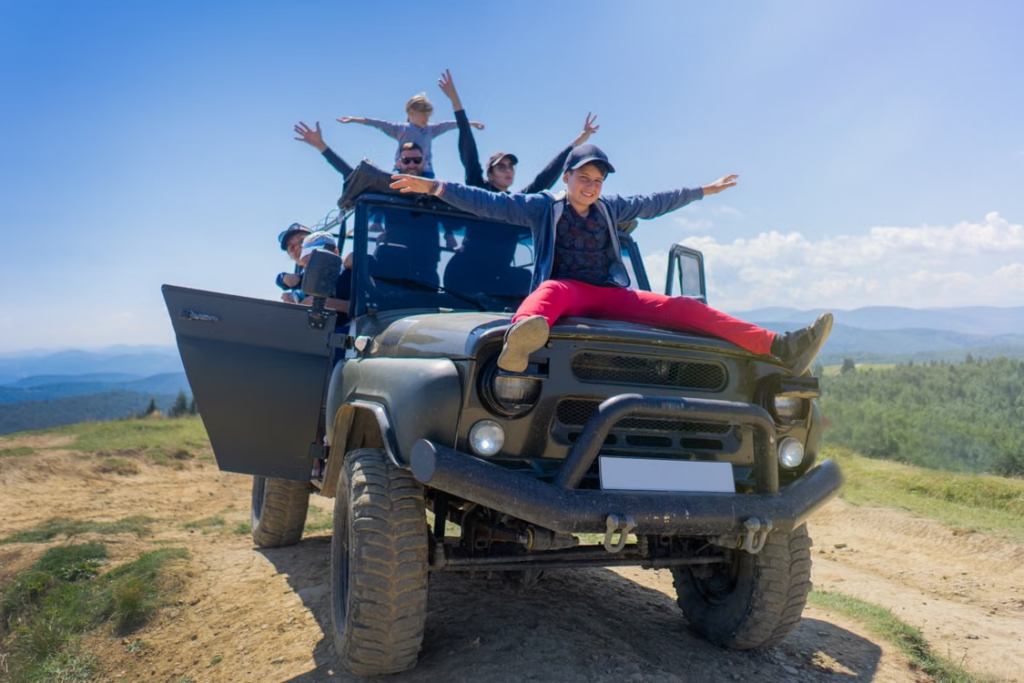
Consumers increasingly treat outdoor equipment as a long-term purchase, especially when maintenance, storage and transportation affect the full cost. Someone comparing off-road recreation vehicles may consult a Suzuki dealer to compare available models, ask about financing and warranty coverage, and understand the service options available after purchase.
That purchasing process reflects a broader shift toward experience-based spending. Buyers often calculate how frequently they’ll use an item, where they can use it, and what ongoing care will cost. A simple annual budget can clarify the decision. Include the purchase price, protective equipment, scheduled service, registration where applicable, storage, and transportation. Dividing that estimate by the number of planned outings gives you a realistic cost per trip and helps prevent an exciting purchase from becoming an unused garage fixture.
Working with an Authorized Dealership
An authorized dealership gives buyers a clear place to compare product specifications, ask about maintenance schedules, and confirm warranty terms. Staff should be able to explain which model fits a rider’s intended terrain, experience, and transportation setup. That conversation matters because a vehicle suited to maintained routes may differ from one designed for demanding off-road conditions.
Before visiting, write down your expected use, preferred price range, and storage limits. Ask for an itemized quote that separates the base price from fees, accessories, and financing costs. You should also request the service schedule and ask how long common appointments usually take during peak season. If you’re considering used inventory, review its service history and inspect its overall condition before discussing payment.
Sustainable Growth Across Regional Tourism
Tourism growth can strain the places that attract visitors in the first place. Heavy traffic may contribute to erosion, noise, crowded parking, and conflicts between different trail users. An examination of the outdoor recreation economy shows why employment and revenue figures need to be considered alongside environmental and community effects.
Regional planners and businesses can respond with practical measures. Reservation systems can limit crowding at sensitive sites, while clear route maps keep visitors on approved paths. Shops and tour operators can share seasonal closure notices, low-impact recreation guidance and local rules before customers depart. Communities can also promote less crowded sites and weekday visits. Growth becomes more durable when visitor spending helps fund trail maintenance, waste collection and restoration, leaving popular recreation areas ready for the next season.
Discover more from The Cameron Journal
Subscribe to get the latest posts sent to your email.