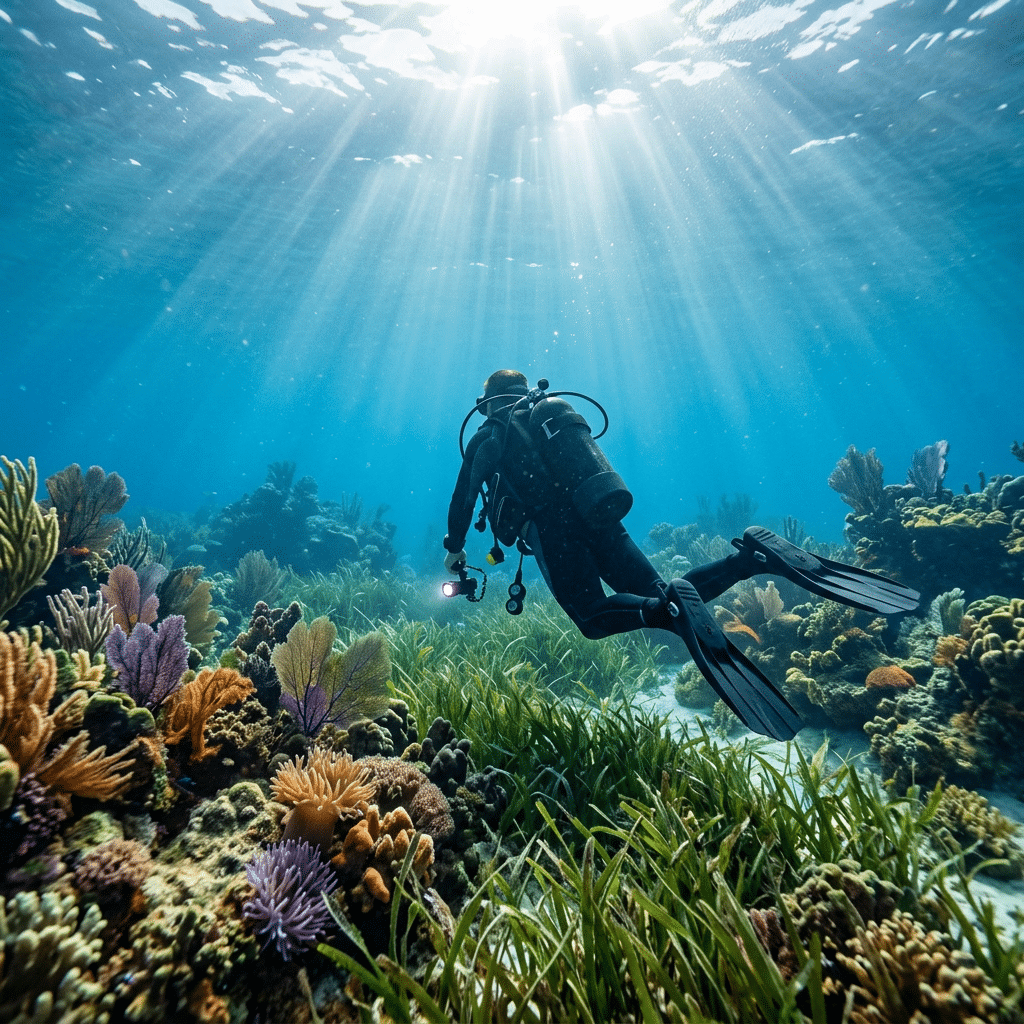

Image Credit: Unsplash
The world beneath the waves offers a kind of quiet that’s really hard to find on land. For many of us, exploring the underwater realm isn’t just a hobby; it’s like a calming practice that settles the mind and helps us feel connected to nature again. This idea of deep blue exploration invites us to see things like snorkeling and scuba diving not just as sports, but as ways to find a little peace.
Finding Calm in the Depths
When you dip into the water, everything shifts right away. The constant noise of daily life just fades, replaced by the gentle sound of your own breathing and the water’s subtle movements. This environment naturally draws you in, holding your attention effortlessly with the graceful sway of kelp or the bright colors of a passing fish. It’s not the intense focus you need at your work desk, but a relaxed awareness that lets your mind unwind. That calming effect is also part of why water-centric vacations can naturally lower stress and prevent burnout, especially when you spend meaningful time around water.
This feeling of peace isn’t just in your head; science backs it up. Being in, on, or even just near water has been shown to reduce stress and boost feelings of well-being. That consistent blue view, combined with feeling weightless, can actually slow your heart rate and quiet a busy mind. Checking out the many benefits of a Blue Mind really shows how much our mental state is linked to water, making underwater exploration a powerful way to clear your head.
Blue Mind Theory in Practice
Marine biologist Wallace J. Nichols made the idea of “Blue Mind” popular. It describes that slightly meditative state we slip into when we’re close to water. Think of it this way: “Red Mind” is all about stress and anxiety, and “Gray Mind” is when you feel numb or disconnected. “Blue Mind,” though, is calm, peaceful, and generally happy. You don’t need to be a scientist to get it; anyone who’s felt a sense of wonder looking at the ocean has felt its effects.
Putting this theory into practice can be as simple as a beach walk or as immersive as learning to scuba dive. If you’re looking for a deeper experience, finding the best scuba diving spots offers a way to really dive into this meditative state. Diving itself requires you to focus on breath control and slow, deliberate movements, which are pretty similar to what you’d do in many mindfulness practices. Learning more about the water-brain connection can help you understand why these water activities feel so good.
Connecting with Nature’s Rhythms
Exploring underwater helps you feel a special connection with the planet’s natural rhythms. You’re no longer just watching from the shore; you become a temporary resident in a complex ecosystem. You learn to move with the currents, not against them. You start noticing the subtle changes in marine life behavior that happen with the time of day or the shifting tides.
This immersion helps you truly appreciate the intricate web of life thriving beneath the surface. Watching a sea turtle glide effortlessly or a school of fish move as one unit is a powerful reminder of nature’s beauty and rhythm. It’s an experience that can totally shift your perspective, making you feel like a small part of something much bigger and interconnected.
The Ethics of Underwater Interaction
With the amazing chance to enter this underwater world comes the responsibility to protect it. Mindful exploration means ethical exploration. That means sticking to a “look but don’t touch” rule. Coral reefs are incredibly delicate living things, and even a light touch can cause lasting damage. You should watch marine animals from a respectful distance so you don’t stress them out or change their natural behavior.
Responsible divers and snorkelers also make a real effort to leave no trace. This includes making sure all your gear is secure so nothing dangles or drags along the seafloor, and choosing reef-safe sunscreen to protect marine life from harsh chemicals. Being a mindful underwater explorer really means being a guardian of the environment you’re lucky enough to visit.
Starting Your Underwater Journey
Starting your own deep blue exploration is probably easier than you think. Snorkeling is a fantastic way to begin, needing minimal gear and training. It lets you experience the beauty of shallow reefs and coastal marine life right from the surface.
If you want to go deeper, a scuba diving certification course is the next step. These courses teach you all the necessary skills for safety, how to handle equipment, and responsible diving practices. Local dive shops are great places to find certified instructors and get advice on beginner-friendly spots. Starting slow and building your confidence will make sure your underwater adventures are safe, fun, and truly mindful.
The pull of the water is a gentle reminder of how connected we are to the natural world. Answering that call, whether it’s with a simple swim or a deep dive, can be a profound step toward finding calm and clarity.
Discover more from The Cameron Journal
Subscribe to get the latest posts sent to your email.