
Your front and back doors do more than help you get in and out. They affect security, energy use, storm protection, curb appeal, and even noise levels inside your home. If you live in a coastal or storm-prone area, those details matter even more. A door that looks great but fails under pressure is a pretty expensive mistake. Smart door shopping means knowing what materials, ratings, and installation details deserve your attention.
Start with the job your door needs to do
Before you compare colors, glass inserts, or hardware finishes, figure out the main role your door needs to play. Some homes need stronger protection from wind and flying debris. Others need better insulation, tighter security, or lower maintenance.
Your location shapes the decision in a big way. If your area sees hurricanes, tropical storms, or severe seasonal weather, performance matters as much as appearance. A decorative door with weak structural integrity can become the weak link in your home’s envelope.
Think about how the door is used too. A front entry door handles daily traffic, weather exposure, and first impressions. A side or rear door may need more focus on security and moisture resistance. A patio entry often needs a balance of light, durability, and impact resistance.
When you define the job first, the options get less overwhelming. That’s helpful, because door catalogs can turn into a blur of panels and promises pretty quickly.
Pay attention to storm and impact ratings
If you live in a high-risk weather zone, ratings are not background noise. They are the headline. You want a door tested for wind pressure, water infiltration, and impact resistance, especially in coastal regions.
This is where hurricane-rated doors come into the conversation. They are built to help homes handle extreme weather conditions, including strong winds and wind-borne debris. That protection depends on both the product and the installation, so the rating is only meaningful when the full system is properly matched.
Check for code compliance in your area. Local building requirements may specify performance standards for exterior openings. You should also ask whether the door has been tested as part of a complete assembly, including frame, hardware, glazing, and anchoring methods.
A door that survives a brochure test but fails real installation conditions is not exactly a confidence booster.
Know the main exterior door materials
Exterior doors usually come in wood, fiberglass, steel, or aluminum-clad variations. Each has trade-offs, and none is universally perfect.
Wood doors offer a classic look and strong visual warmth. They can be customized beautifully, but they need regular maintenance. Sun, humidity, and rain can cause warping, swelling, or finish wear if you ignore upkeep.
Fiberglass doors are popular because they resist dents, rust, and moisture while offering good insulation. Many mimic real wood surprisingly well. If you want durability without constant maintenance, fiberglass is often a strong pick.
Steel doors are typically more budget-friendly and solid for security. They can dent, and if the finish is damaged, rust may become an issue. Energy performance can still be good when the door has an insulated core.
Material choice affects maintenance, longevity, and performance. So yes, the door’s personality matters, but its engineering pays the bills.
Don’t ignore the frame, threshold, and hardware
People often focus on the door slab and forget the supporting cast. That is a mistake. The frame, threshold, hinges, lockset, and weatherstripping all affect how the door performs over time.
A strong door in a weak frame is like putting racing tires on a shopping cart. The whole system needs to work together. Poor-quality hinges may sag. Weak locks reduce security. A badly designed threshold can invite water intrusion, air leakage, and premature wear.
Look for corrosion-resistant hardware if your home is in a humid or coastal environment. Salt air is relentless and does not care how expensive your hardware was. Multipoint locking systems can improve security and help create a tighter seal.
Ask what comes standard and what costs extra. Some doors look affordable until essential components are added back in. A complete quote should include the frame, sill, finish details, hardware options, and installation scope.
Balance energy efficiency with everyday comfort
A good exterior door helps regulate indoor temperatures and cuts down on drafts. That affects more than utility bills. It also changes how comfortable your home feels near entry points, especially during hot summers or cold winters.
Look for features like insulated cores, quality weatherstripping, thermal breaks, and energy performance ratings. If the door includes glass, check whether it uses insulated or low-emissivity glazing. Glass can brighten an entryway, but poorly performing glass can also create heat gain or loss.
Noise reduction deserves attention too. A better-sealed, more solid door can reduce traffic sounds, neighborhood commotion, and storm noise. That may not sound glamorous, but quiet comfort is one of those upgrades you appreciate every single day.
Energy efficiency should not be viewed as a bonus feature. It is part of overall performance. A door that leaks air and moisture is doing half a job, and your HVAC system ends up covering the difference.
Match the style to your home without chasing trends
Your exterior door has a visual job as well. It should fit your home’s architecture, your exterior color palette, and the overall tone of the property. The best choice usually feels intentional rather than flashy.
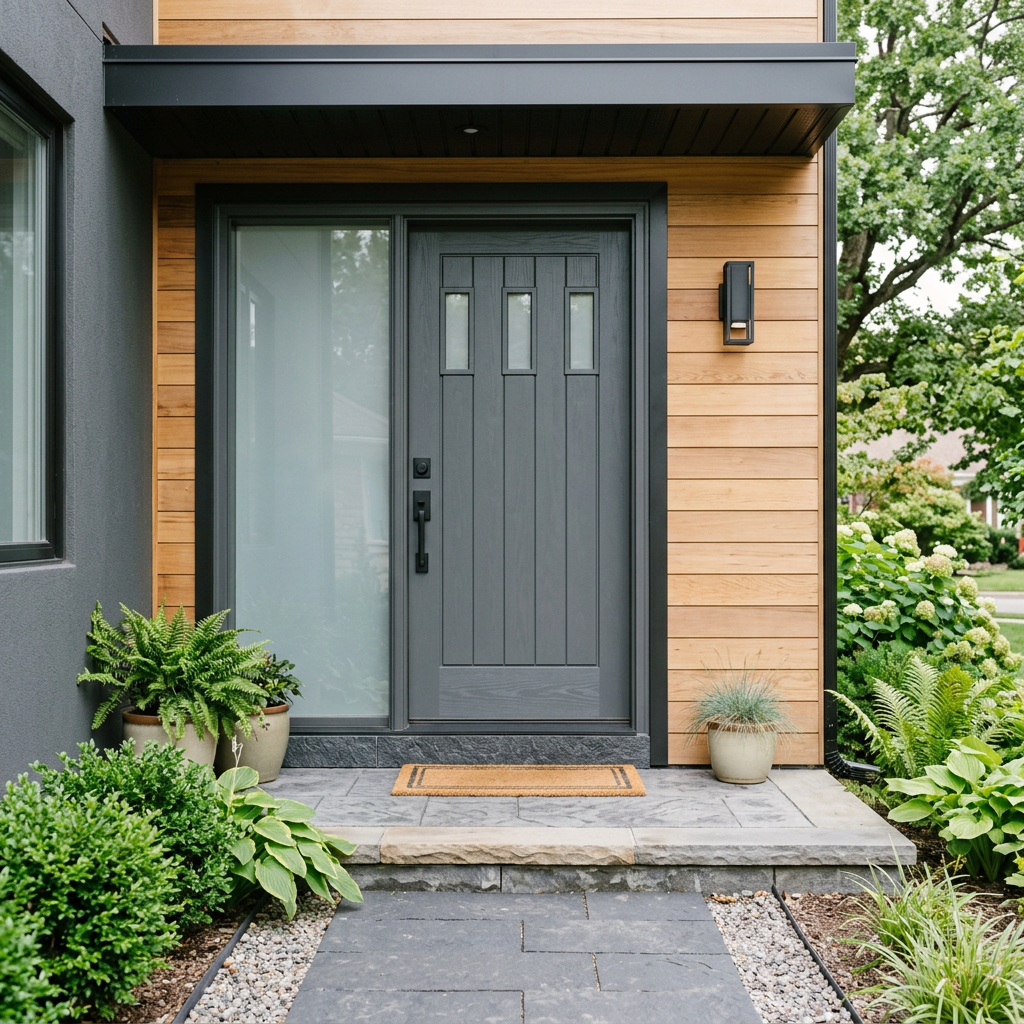
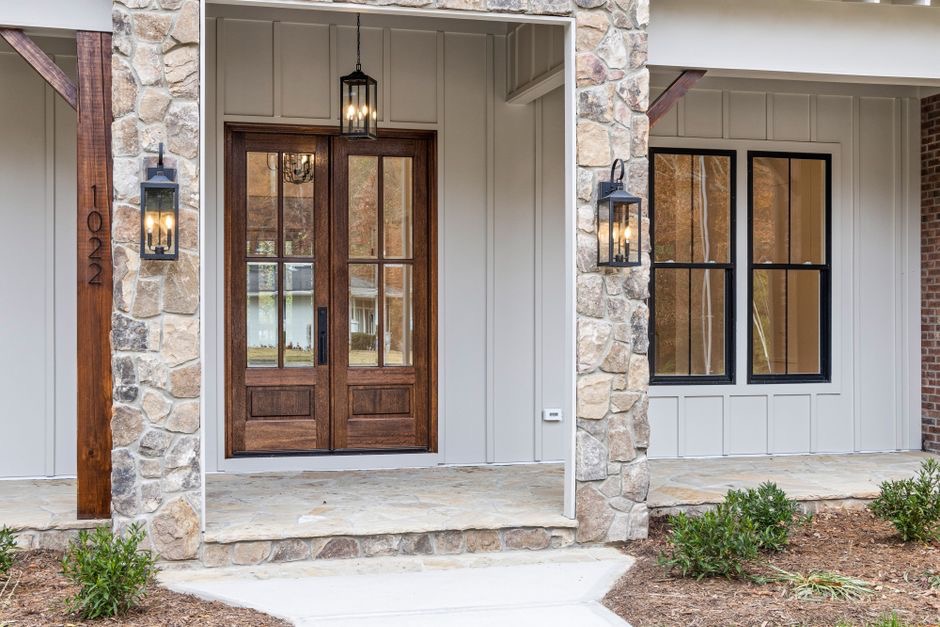
Clean modern homes often suit minimalist doors with narrow sightlines, subtle hardware, and simple finishes. Traditional homes may look better with paneled profiles, divided lites, or warmer wood tones. Farmhouse, coastal, and Mediterranean styles all have their own rhythm too.
Try to think beyond what looks trendy online this month. Trends move fast. Replacing an exterior door is not like swapping a throw pillow. You want something that still looks right years from now.
Curb appeal matters, but so does practicality. Dark colors may absorb more heat in sunny climates. Decorative glass can reduce privacy at certain entry points. The best designs respect both aesthetics and real-life use.
Choose with long-term value in mind
The best exterior door is not always the cheapest option upfront. It is the one that performs well for your climate, supports your safety, fits your home, and holds up with reasonable maintenance.
Compare total value instead of sticker price alone. Consider lifespan, repair risk, energy savings, weather performance, finish durability, and resale appeal. The U.S. Department of Energy notes that exterior doors can affect a home’s energy efficiency, especially when air leakage, glazing, and insulation are involved.
Security and structural performance matter too. The Federal Emergency Management Agency provides building-science guidance that can help homeowners understand how exterior components contribute to overall resilience in areas exposed to severe weather and other hazards.
If you feel stuck between two options, return to the basics. What weather does your home face? How much maintenance are you realistically willing to do? What matters more at that entry point: light, privacy, security, or impact resistance?
When you choose carefully, your door stops being just a design element. It becomes a hard-working part of your home’s protection system, which is a pretty solid return for something you use every day.
Discover more from The Cameron Journal
Subscribe to get the latest posts sent to your email.




