

Image Credit: Unsplash
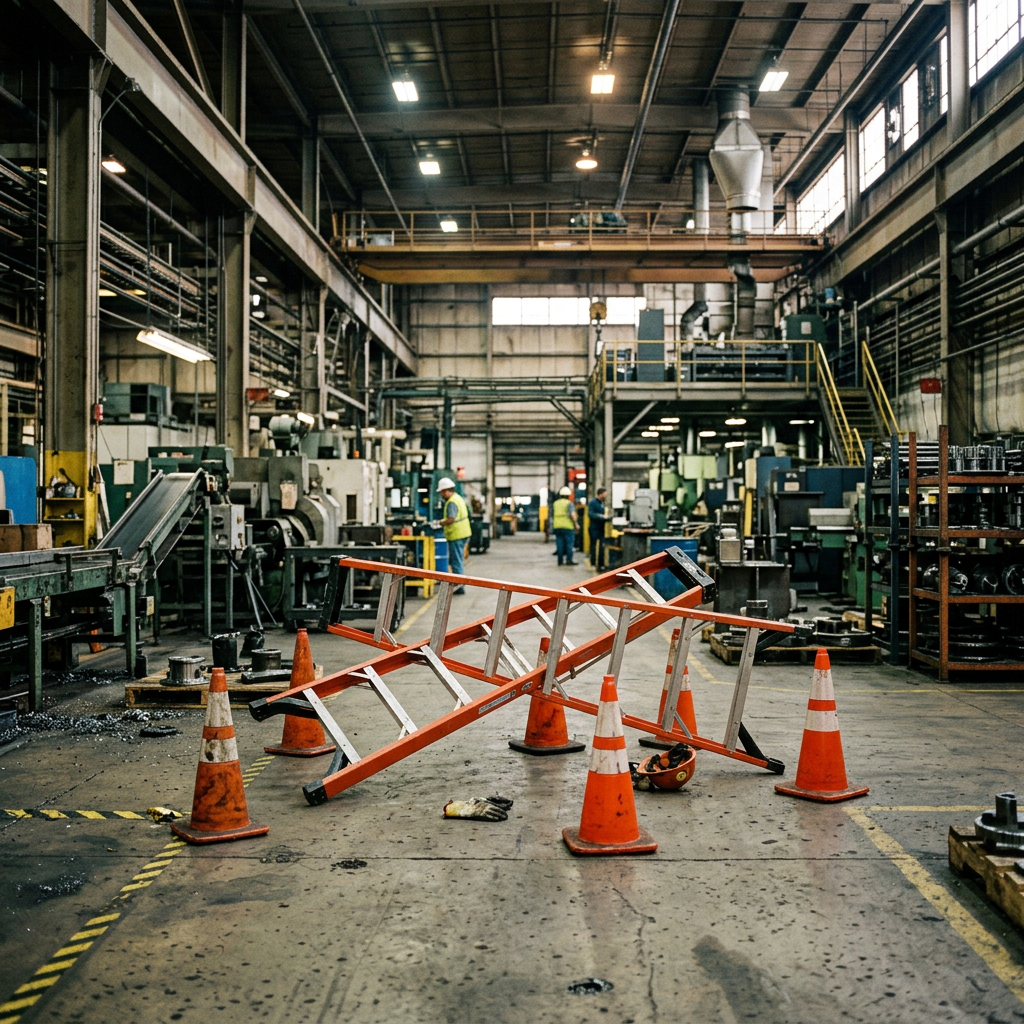
When a workplace accident happens, the first concern is always for the injured employee. But these incidents affect a company much more broadly, creating many costs that can hit a business’s finances and operations hard. Understanding these hidden expenses is the first step for any business owner who wants to protect their team and their bottom line.
Direct Financial Impacts
Legal fees can climb quickly when an injured worker disputes a claim or the compensation falls short of their actual losses. In those situations the employee often retains an accident lawyer to pursue the difference, and the resulting settlements can run well into the millions depending on the severity of the injury. A business facing that kind of claim usually sees its own legal costs rise in step, since defending or settling takes time from management and outside counsel alike. Planning for the possibility of a contested claim, rather than assuming insurance will absorb everything, keeps these figures from catching a company off guard.
Indirect Business Consequences
Beyond the direct bills, many indirect costs show up that are often more harmful in the long run. These are harder to measure but can deeply affect your business. Employee morale can drop after an incident, leading to less productivity as team members deal with stress and uncertainty. Your company’s reputation might suffer, making it harder to attract good employees or keep valuable customers. Many hidden costs of ignoring safety can disrupt operations, from the time spent investigating the incident to the need to hire and train temporary or replacement staff.
Investing in Proactive Prevention
The best way to manage accident-related costs is to stop them from happening at all. Being proactive about safety is an investment, not just an expense. This means regularly checking workplace risks, providing the right personal protective equipment, and making sure all machinery is well-maintained. A key part of this strategy is thorough training. Enrolling employees in relevant health and safety courses gives them the knowledge to spot dangers and follow correct procedures, greatly lowering the chance of an accident. This training helps your team take responsibility for their own safety and the safety of their co-workers, boosting safety and efficiency in your business.
Fostering a Safety Culture
While training and equipment are crucial, a truly safe workplace comes from a strong safety culture. This means safety is a core value that leaders actively promote. Management must show a real commitment to safety, not just to meet rules, but as a moral duty. When employees see that management cares about their well-being, they are more likely to be involved and watchful. This culture grows through open communication, regular safety meetings, and a system where employees feel comfortable reporting potential hazards without fear of punishment. A positive safety culture changes passive compliance into active participation.
Regulatory Fines and Penalties
Ignoring safety rules doesn’t just increase the risk of accidents; it also exposes your business to big legal and financial penalties. Government agencies like OSHA can issue large fines for not following safety standards. These penalties can range from thousands to hundreds of thousands of dollars, depending on how serious the violation is. An inspection that finds widespread safety problems can lead to ongoing scrutiny and expensive, mandatory changes. These regulatory actions are not only costly but also become public record, further harming a company’s reputation.
Ultimately, investing in a safe work environment is one of the smartest financial decisions a business can make. It protects your most important asset, your people, while also keeping your company stable and successful long-term.
Discover more from The Cameron Journal
Subscribe to get the latest posts sent to your email.




