Table of Contents
- Arthritis
- Carpal Tunnel Syndrome
- Tendonitis
- Ganglion Cysts
- Fractures and Sprains
- De Quervain’s Tenosynovitis
- Preventive Measures
- When to Seek Medical Attention
- Protecting Your Hand and Wrist Health
Hand and wrist pain can disrupt everyday life, making even simple tasks like gripping a pen or opening a door challenging. Whether the pain is mild or severe, identifying its root cause is crucial for choosing effective solutions. Seeing an experienced hand doctor in Jenks for wrist and finger injuries is highly recommended if you experience ongoing discomfort or injury. Early diagnosis helps ensure proper recovery and prevents complications that could limit hand function over time.
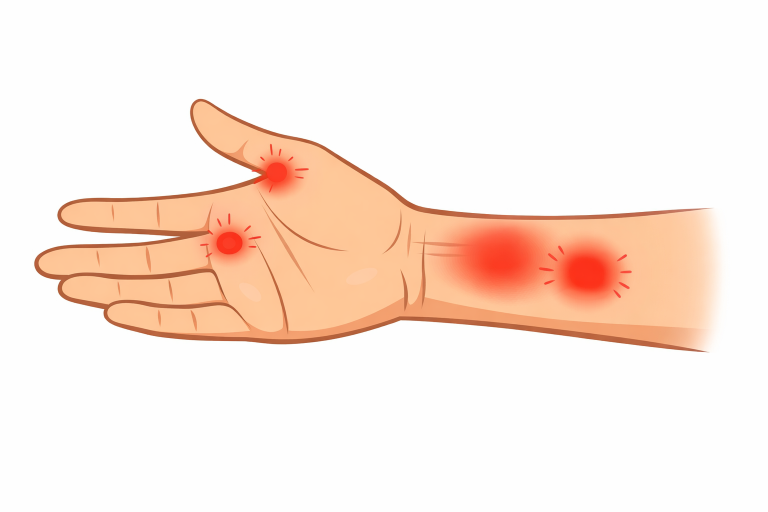
Several conditions may cause pain in this area, including arthritis, carpal tunnel syndrome, tendonitis, ganglion cysts, fractures, and repetitive-use injuries. Pain may start gradually or suddenly, depending on the underlying issue. Proactive care can make a significant impact, from using proper ergonomics to knowing when professional help is required.
It is important to remember that some causes of pain can be managed with conservative methods, while others may call for medical or surgical intervention. Recognizing persistent symptoms helps prevent long-term joint damage and loss of function.
Staying informed about risk factors and early intervention is key. For comprehensive medical advice and support, always consult a healthcare professional or hand specialist.
Arthritis
Arthritis is a frequent culprit behind hand and wrist discomfort, with osteoarthritis and rheumatoid arthritis being the most common types. Osteoarthritis occurs when cartilage in the joints gradually degrades, leading to stiffness, swelling, and pain. Rheumatoid arthritis, on the other hand, is an autoimmune disorder that targets the lining of the joints, creating chronic inflammation. Both types can significantly affect grip strength and daily activities. Treatment typically includes physical therapy, anti-inflammatory medications, and, in some cases, surgical procedures to restore joint function.
Carpal Tunnel Syndrome
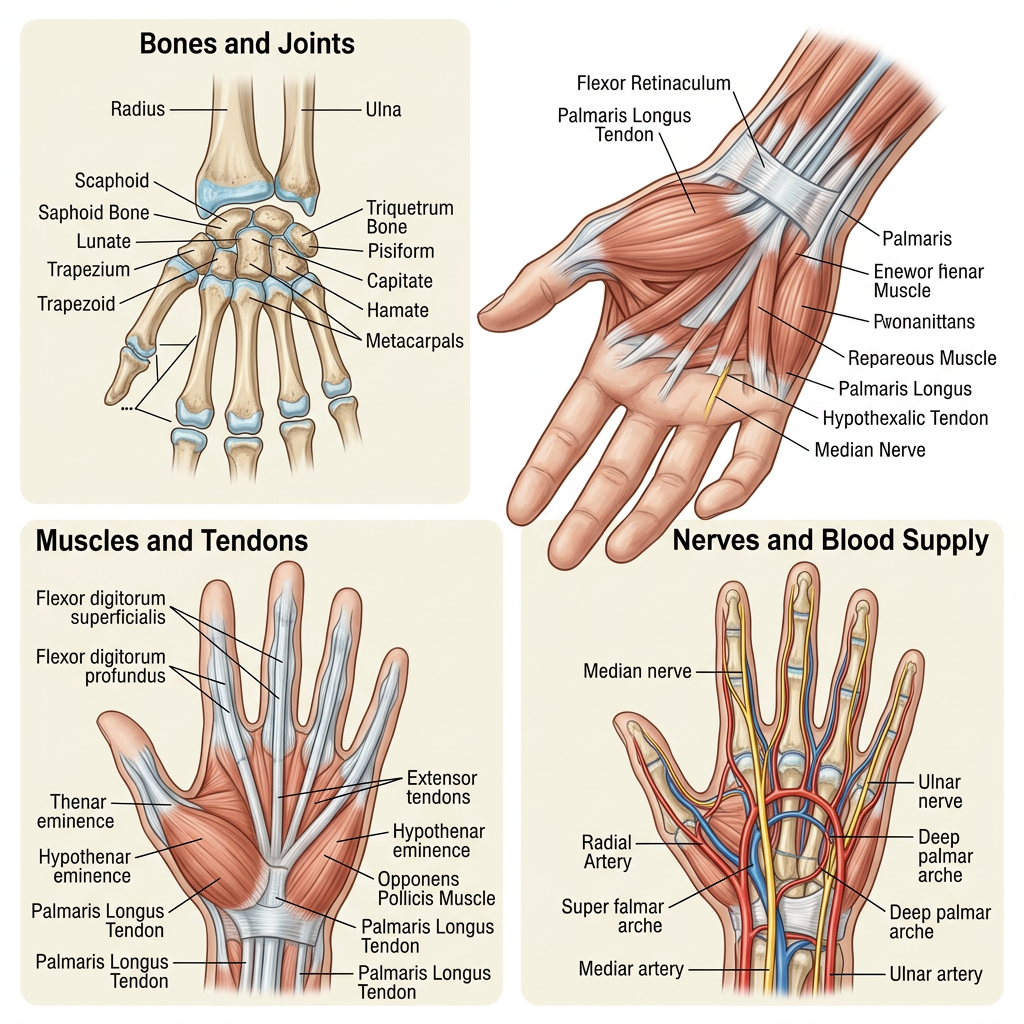
This condition occurs when the median nerve is compressed within the carpal tunnel of the wrist, often due to repetitive hand movements or underlying health conditions. Symptoms often include numbness, tingling, and weakness, especially at night or during gripping activities. Treatment strategies may start with wrist splints, activity modification, or anti-inflammatory medications. In more advanced cases, corticosteroid injections or surgical release may be necessary to relieve pressure on the nerve.
Tendonitis
Tendonitis refers to the inflammation or irritation of the tendons in the hand and wrist, typically caused by repetitive motion or strain. This condition can result in sharp or burning pain, swelling, and tenderness. Common treatments involve rest, ice application, over-the-counter anti-inflammatory medications, and stretching exercises to restore flexibility and strength. In persistent cases, doctors may recommend corticosteroid injections or surgical procedures to repair damaged tendons.
Ganglion Cysts
Ganglion cysts are noncancerous, fluid-filled lumps that often develop along tendons or joints in the wrist and hand. While some cysts are painless and pose no functional issues, others can cause discomfort or restrict movement, especially if they press on nerves. Management options include monitoring the cyst, aspiration (draining the fluid), or surgical removal if it interferes with hand function or continues to grow.
Fractures and Sprains
Acute hand and wrist injuries like fractures and sprains often result from falls, accidents, or sports activities. Symptoms include sudden pain, swelling, bruising, and restricted movement. Prompt evaluation is essential to prevent improper healing that could permanently impair function. Treatment usually involves immobilizing the injury with a splint or cast, pain management, and, later, rehabilitation exercises to restore mobility and strength.
De Quervain’s Tenosynovitis
This painful condition affects the tendons on the thumb side of the wrist, commonly due to repetitive thumb or wrist motion. Signs include tenderness, swelling, and increased pain when forming a fist or gripping objects. Management consists of rest, splinting, anti-inflammatory medications, and sometimes corticosteroid injections. Surgery may be considered for severe or unresponsive cases.
Preventive Measures
Proactively protecting your hands and wrists can minimize the risk of pain and injury. Recommended steps include maintaining good posture and ergonomics during work or leisure activities, taking frequent breaks from repetitive actions, and performing exercises to strengthen the hand and wrist muscles. Wearing protective gear during sports or high-risk tasks can also reduce the chance of injury.
When to Seek Medical Attention
If pain persists, worsens, or is accompanied by numbness, tingling, swelling, or difficulty in moving your hand, it is important to consult a healthcare provider. Immediate evaluation is particularly important if an injury is suspected or if basic self-care measures do not provide relief. Early diagnosis helps ensure a tailored treatment plan and a better prognosis.
Protecting Your Hand and Wrist Health
Understanding the common causes of hand and wrist pain empowers you to take preventive steps and seek timely care when needed. Early evaluation, appropriate treatment, and healthy daily habits can reduce discomfort, preserve mobility, and help maintain the strength and function required for everyday activities and an active lifestyle.
Discover more from The Cameron Journal
Subscribe to get the latest posts sent to your email.