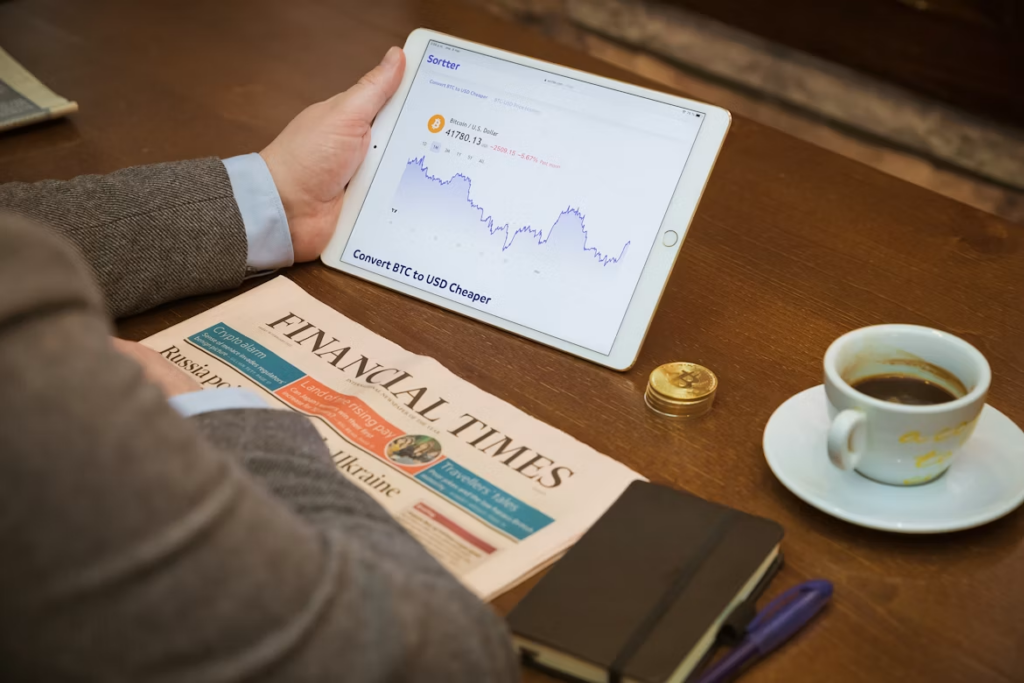
Image Credit: Unsplash
The way we handle our money has changed completely. Not long ago, personal finance meant balancing a checkbook, visiting a bank, and filing paper statements. Today, our financial lives revolve around the supercomputers in our pockets, which can help us improve personal finances. This shift to a digital-first approach offers incredible convenience and power, giving us sophisticated tools that used to be only for financial professionals.
It’s no longer optional to understand these new tools and trends; it’s essential for building a secure financial future. From everyday budgeting to complex investment strategies, technology is reshaping how we save, spend, and grow our wealth.
Embracing Digital Financial Tools
The most noticeable change in personal finance is how widely digital banking and budgeting apps have been adopted. You no longer have to wait for a monthly statement to see where your money went. Modern financial apps give you a real-time, complete picture of your financial health. These platforms connect to your bank accounts, credit cards, and loans, giving you a single, unified dashboard.
This immediate access to information helps you make smarter choices. You can track spending by category, find areas to cut back, and monitor your progress toward savings goals. Many of these apps also offer features like bill payment reminders and credit score monitoring, helping you stay organized and avoid late fees. Using these digital tools and trends is the first step toward taking control in a digital-first world. The key is to move from just watching to actively managing, using the data to guide your daily decisions.
AI and Automation in Everyday Finances
Artificial intelligence and automation are moving from the background of our financial systems to the forefront of our personal money management. AI is already protecting you through advanced fraud detection algorithms that can spot unusual activity on your accounts. Now, consumer-facing AI is helping people save and invest better with minimal effort.
The rise of AI in personal finance has led to tools that automate savings by rounding up your purchases to the nearest dollar and investing the difference. Other platforms use algorithms to analyze your spending habits and income, creating a dynamic budget that adjusts automatically. This level of automation makes financial planning easier, helping you build good habits. For those who want to be more active in the market, automation extends to sophisticated trading strategies. Advanced users can employ a dedicated automated trading bot platform to execute trades based on predefined rules and technical indicators, operating with a speed and discipline that’s hard to achieve manually.
Beyond Traditional Investing Methods
The democratization of finance has opened up investment opportunities that used to be out of reach for the average person. Digital platforms have removed old barriers like high minimum investments and expensive brokerage fees. Today, you can start investing with just a few dollars thanks to fractional shares, which let you buy a small piece of a high-priced stock.
One of the most important developments is the growth of robo-advisors. These automated services use algorithms to build and manage a diversified investment portfolio based on your risk tolerance and financial goals. They handle rebalancing and dividend reinvestment automatically, making them a great option for those who prefer a hands-off approach to long-term investing. Beyond the stock market, technology has also made alternative assets more accessible. Platforms now exist for investing in real estate, fine art, and even startup companies, allowing individuals to diversify their portfolios in new ways.
How Automated Tools Shape Trading
While robo-advisors focus on passive, long-term investing, automation is also significantly impacting active trading. Algorithmic trading, once only for large financial institutions, is now available to individual traders through various software and platforms. These tools let a user define a set of rules for entering and exiting trades.
The main benefit of automated trading is that it removes emotion from the decision-making process. The algorithm follows its instructions precisely, unaffected by the fear or greed that can lead human traders astray. Automation also lets traders backtest their strategies against historical market data, showing how a strategy might have performed in the past. This data-driven approach allows for refinement and optimization before risking actual money. Plus, automated systems can monitor multiple markets and execute trades 24/7, taking advantage of opportunities a human trader might miss.
Navigating the New Financial Landscape
The rapid evolution of financial technology brings huge opportunities, but it also creates new challenges and responsibilities. As we rely more on digital platforms, understanding basic cybersecurity becomes crucial. Using strong, unique passwords for each financial account, enabling two-factor authentication, and being careful about phishing scams are essential for protecting your assets.
Beyond security, the digital transformation in finance demands a new level of financial literacy. It’s important to understand the tools you’re using and the advice they give. An algorithm might suggest a particular investment or budget, but you still need to decide if it fits your personal situation and long-term goals. Blindly following automated recommendations without critical thought can be risky. The future of personal finance isn’t about letting machines make all your decisions; it’s about using technology as a powerful co-pilot to help you reach your destination.
Ultimately, these digital tools work best when you also have a strong foundation of financial knowledge. They can automate tasks and offer valuable insights, but the strategy and final decisions are still yours.
Discover more from The Cameron Journal
Subscribe to get the latest posts sent to your email.