Key Takeaways
- Arizona’s average annual homeowners insurance premium is approximately $2,344, which is below the national average.
- Wildfires and monsoon storms are major factors driving insurance costs in the state.
- Standard homeowners insurance policies often exclude flood and earthquake damage, necessitating additional coverage in certain areas.
- Credit scores play a substantial role in pricing, with lower scores leading to significantly higher premiums.
- Reviewing policies regularly and investing in home improvements can help manage costs and keep your coverage up to date.
Understanding the nuances of homeowners’ insurance in Arizona is essential to safeguard your investment and maintain peace of mind. Arizona’s unique environment, from much-loved deserts to sudden monsoon storms, creates special considerations when choosing a policy. Homeowners should not only focus on coverage options and costs but also consider the specific risks in the Grand Canyon State. Whether you’re seeking comprehensive protection or shopping for better rates on home insurance in Arizona, this guide breaks down what you need to know to make informed decisions. From wildfire risks to credit score impacts, Arizona homeowners face a set of insurance factors unique in the U.S. landscape. Knowing what determines rates and what is excluded from standard policies can mean the difference between full protection and costly gaps in coverage. By reviewing key factors such as natural disaster exposure and insurance policy structure, you can better protect your home and assets against the unexpected.
Average Cost of Homeowners Insurance in Arizona
As of 2026, the average annual homeowners’ insurance premium in Arizona is $2,344, compared to the national average of $2,543. Arizona’s lower-than-average premiums largely reflect the state’s reduced exposure to hurricanes and tornadoes compared to other regions. However, local factors such as neighborhood crime rates, the age and type of your home, its replacement value, and proximity to fire stations can all influence what you pay. Urban areas around Phoenix or Tucson may see higher rates than rural communities or locations near wildfire-prone regions. It’s important to note that these averages provide a starting point; your actual premium can vary widely based on personal and location-specific factors. Shopping around and comparing quotes from multiple insurers is recommended to secure the best coverage and price for your needs.
Impact of Natural Disasters on Insurance Rates
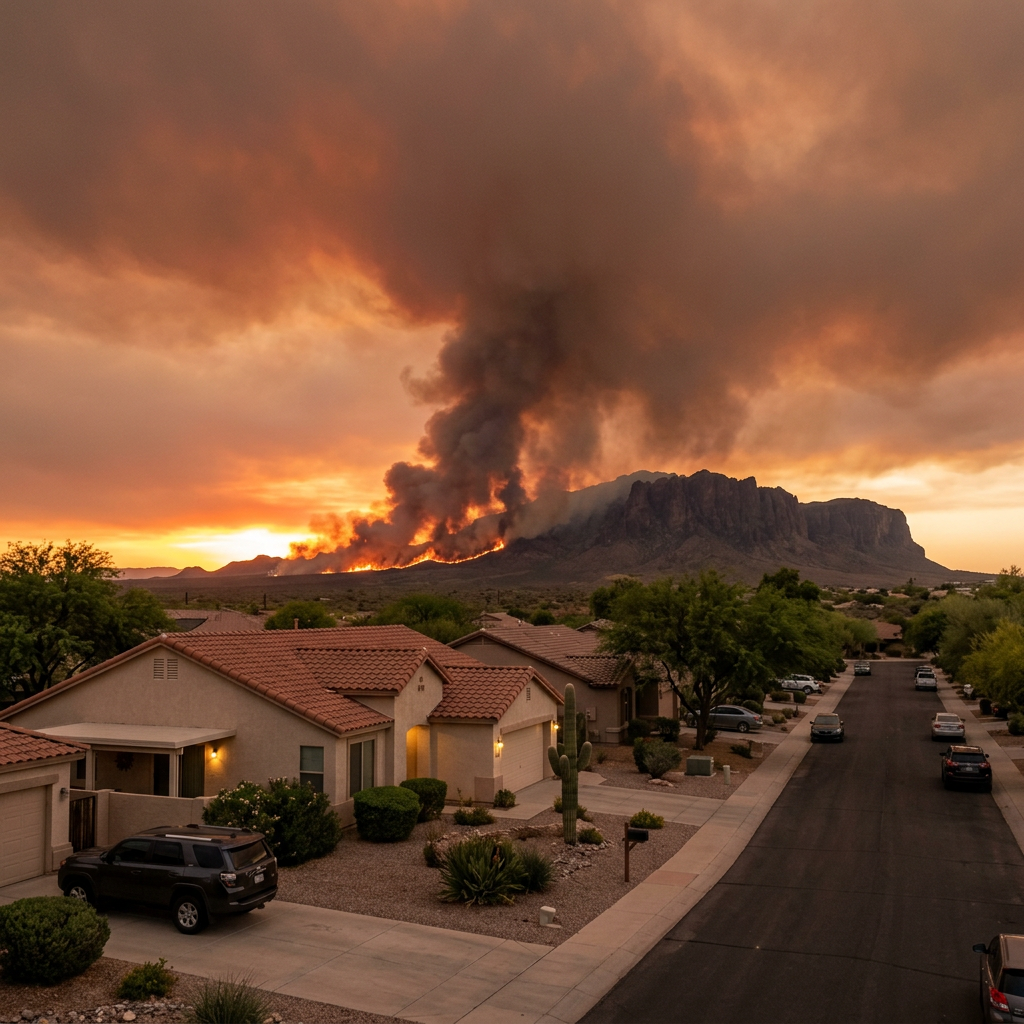
Although Arizona generally escapes hurricanes and tornadoes that increase rates in other states, it is particularly susceptible to wildfires and monsoon storms. In recent years, the expansion of residential development into wildfire-prone areas and the increasing severity of monsoon storms have led to a rise in insurance claims. Insurers compensate for these higher risks by adjusting rates, or in some cases, restricting coverage options in the most at-risk zones. Homeowners near forests, open land, or flood zones should regularly review their policies and consider supplemental insurance where necessary. For more details on how disasters affect home insurance pricing across the U.S., see this Kiplinger resource.
Common Exclusions in Standard Policies
Standard homeowners’ insurance policies in Arizona usually do not cover all natural disasters. Notably, damage from flooding and earthquakes is typically excluded from policies. Flooding can occur suddenly during the state’s summer monsoon season, while the risk of regional seismic activity, though less common, remains present. Homeowners in high-risk areas are often advised to purchase separate flood or earthquake insurance to ensure comprehensive protection and avoid out-of-pocket costs following an emergency.
The Role of Credit Scores in Determining Premiums
Most major insurers in Arizona use credit scores as a significant factor in determining insurance premiums. A homeowner’s credit-based insurance score can reflect financial responsibility and stability, which insurance companies associate with risk levels. Data shows that Arizonans with poor credit may pay up to 168% more for homeowners’ insurance than those with excellent credit. Maintaining a strong credit history, by paying bills on time, minimizing outstanding debt, and regularly checking credit reports, not only supports your overall financial health but can save you hundreds or even thousands annually on insurance costs.
Strategies to Manage and Reduce Insurance Costs
There are actionable ways to manage and potentially reduce Arizona homeowners’ insurance premiums:
- Bundle Policies: Insuring your home and vehicle with the same provider can unlock valuable discounts and simplify your payments.
- Increase Deductibles: Raising your deductible lowers monthly premiums, but be prepared for higher out-of-pocket expenses if you need to file a claim.
- Make Home Improvements: Updating your home’s roof, installing security alarm systems, or adding smoke detectors can reduce risk and make you eligible for lower rates.
- Review Coverage Annually: Conducting regular policy reviews ensures that your coverage keeps up with changes in property value and your needs.
Understanding the 80% Insurance Rule
Insurers commonly follow the 80% rule, stipulating that a home must be insured for at least 80% of its replacement value to ensure full claims are paid after a loss. Failing to meet this coverage level may result in a reduced payout, even if the damage is partial rather than a total loss. Inflation, supply chain disruptions, and rising material costs can all increase your home’s replacement value, so it’s wise to review and update your policy periodically to stay above this threshold.
Conclusion
Navigating the homeowners’ insurance landscape in Arizona takes more than just shopping for the lowest rate. By understanding what drives costs, how natural disaster risks impact coverage, what standard policies exclude, and how to leverage policy features or credit scores, you can secure protection that aligns with your needs. Proactive home maintenance and regular policy reviews not only help prevent losses but also ensure your finances and property remain secure year after year. Staying informed about changes in local risks, insurance requirements, and available coverage options helps homeowners make informed decisions. By taking a thoughtful approach to insurance planning, you can better prepare for unexpected events, protect your most valuable asset, and maintain long-term financial stability while enjoying greater peace of mind in your Arizona home.
Discover more from The Cameron Journal
Subscribe to get the latest posts sent to your email.