Key Takeaways
- Sudden physical, emotional, behavioral, or financial changes can signal possible nursing home abuse or neglect.
- One unexplained injury may have an innocent explanation, but repeated problems, conflicting explanations, or a pattern of decline should be taken seriously.
- Residents with dementia, mobility limitations, communication challenges, or complete dependence on staff may need closer observation.
- Families should prioritize the resident’s immediate safety, document concerns, and report suspected mistreatment through appropriate channels.
- Medical evaluation and careful recordkeeping can be important when a resident experiences unexplained harm or possible injuries resulting from medical errors.
Table Of Contents
- Understand The Difference Between Abuse And Neglect
- Watch For Physical Warning Signs
- Notice Emotional And Behavioral Changes
- Recognize Signs Of Basic Care Neglect
- Look Closely At Medication And Medical Care
- Be Alert To Financial Exploitation
- Ask Questions And Document Concerns
- Take Action When Safety Is At Risk
Choosing a nursing home for a loved one requires placing trust in caregivers to provide safe, attentive, and compassionate care every day. Families expect residents to receive proper nutrition, hygiene, medication management, supervision, and timely medical attention. When a resident develops unexplained injuries, suffers injuries caused by medical errors, becomes fearful or withdrawn, experiences unexplained weight loss, or is repeatedly found in poor hygienic condition, these warning signs may indicate neglect or abuse. Recognizing these concerns early can help families take steps to protect their loved ones’ health, safety, and legal rights.
Not every change in an older adult’s health proves abuse or neglect. Aging, chronic illness, medication side effects, falls, and cognitive decline can all affect a resident’s condition. Still, families do not need certainty before raising a concern. Paying attention to warning signs, asking direct questions, and documenting what you observe can help protect a vulnerable resident.
Understand The Difference Between Abuse And Neglect
Nursing home abuse generally involves intentional mistreatment, such as hitting, threatening, humiliating, restraining, isolating, or exploiting a resident. Neglect occurs when a facility or caregiver fails to provide needed care or fails to respond appropriately to a resident’s needs. Neglect may involve missed hygiene, inadequate supervision, delayed medical attention, poor nutrition, or failure to prevent avoidable harm.
Both problems can cause serious physical and emotional consequences. The National Institute on Aging identifies physical, emotional, sexual, financial, and neglect-related forms of elder mistreatment, including unsafe living conditions, preventable pressure sores, and a lack of essential personal-care items. Its elder abuse guidance can help families understand the broad range of warning signs.
Watch For Physical Warning Signs
Physical signs are often the most visible, but they should still be evaluated in context. A resident may bruise easily because of medication or suffer an accidental fall. The concern increases when injuries are unexplained, explanations change, records are incomplete, or the resident seems afraid to discuss what happened.
Possible Physical Signs
- Bruises, cuts, burns, welts, fractures, or other injuries without a clear explanation.
- Marks on wrists, ankles, or the torso that may suggest improper restraint or rough handling.
- Frequent falls, especially when the care plan calls for supervision or mobility assistance.
- Pressure ulcers, bedsores, infections, or worsening wounds.
- Sudden weight loss, dehydration, malnutrition, or repeated complaints of hunger or thirst.
- Soiled clothing, dirty bedding, poor oral hygiene, or an unwashed appearance.
- Missing eyeglasses, dentures, hearing aids, walkers, wheelchairs, or other essential devices.
Ask staff when the condition was first noticed, who provided care, whether a physician was notified, and what steps were taken. Request that important answers be documented in the resident’s chart rather than relying only on informal conversations.
Notice Emotional And Behavioral Changes
Emotional abuse can be harder to see than a bruise, particularly when a resident has dementia or trouble communicating. It may involve insults, threats, intimidation, humiliation, isolation, or staff members repeatedly ignoring a resident. A person who once enjoyed visits may become quiet, anxious, angry, or distressed before staff enter the room.
Changes That Deserve Attention
- Fearfulness around a particular employee, roommate, or visitor.
- Sudden withdrawal, depression, agitation, crying, or unusual anger.
- Reluctance to speak when staff are nearby.
- Changes in sleep, appetite, or willingness to participate in activities.
- Statements such as “Please do not leave me here,” even if the resident cannot provide details.
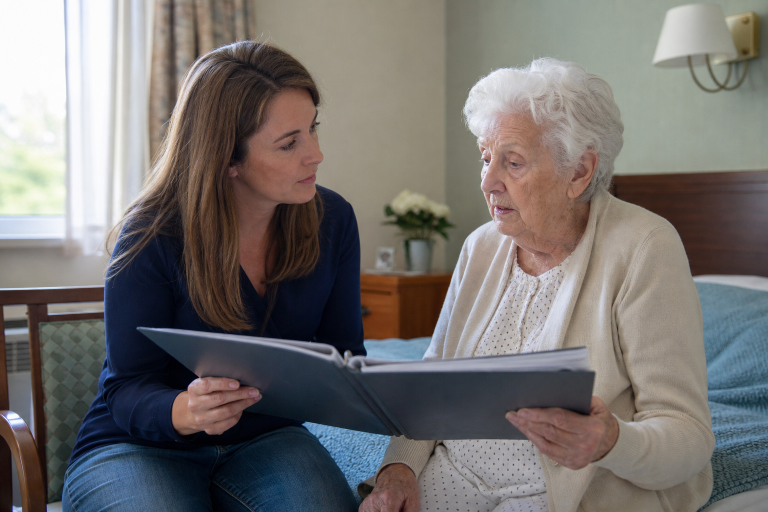
Whenever possible, speak privately with the resident in a calm, non-leading way. Questions like “How are people treating you?” or “Is there anything you need help with?” may encourage a person to share concerns without feeling pressured.
Recognize Signs Of Basic Care Neglect
Neglect may develop gradually. Families may first notice that call lights go unanswered, that clothing is frequently dirty, that meals are untouched, or that a resident is left in bed for long periods. These issues can be especially dangerous for residents who depend on staff for repositioning, toileting, hydration, eating, and medication.
Look for recurring understaffing concerns, long delays in assistance, unanswered complaints, or a facility that cannot explain how it is following the resident’s care plan. Unsafe or unclean rooms, poor infection control, and repeated missed appointments may also indicate that the resident’s needs are not consistently being met.
Look Closely At Medication And Medical Care
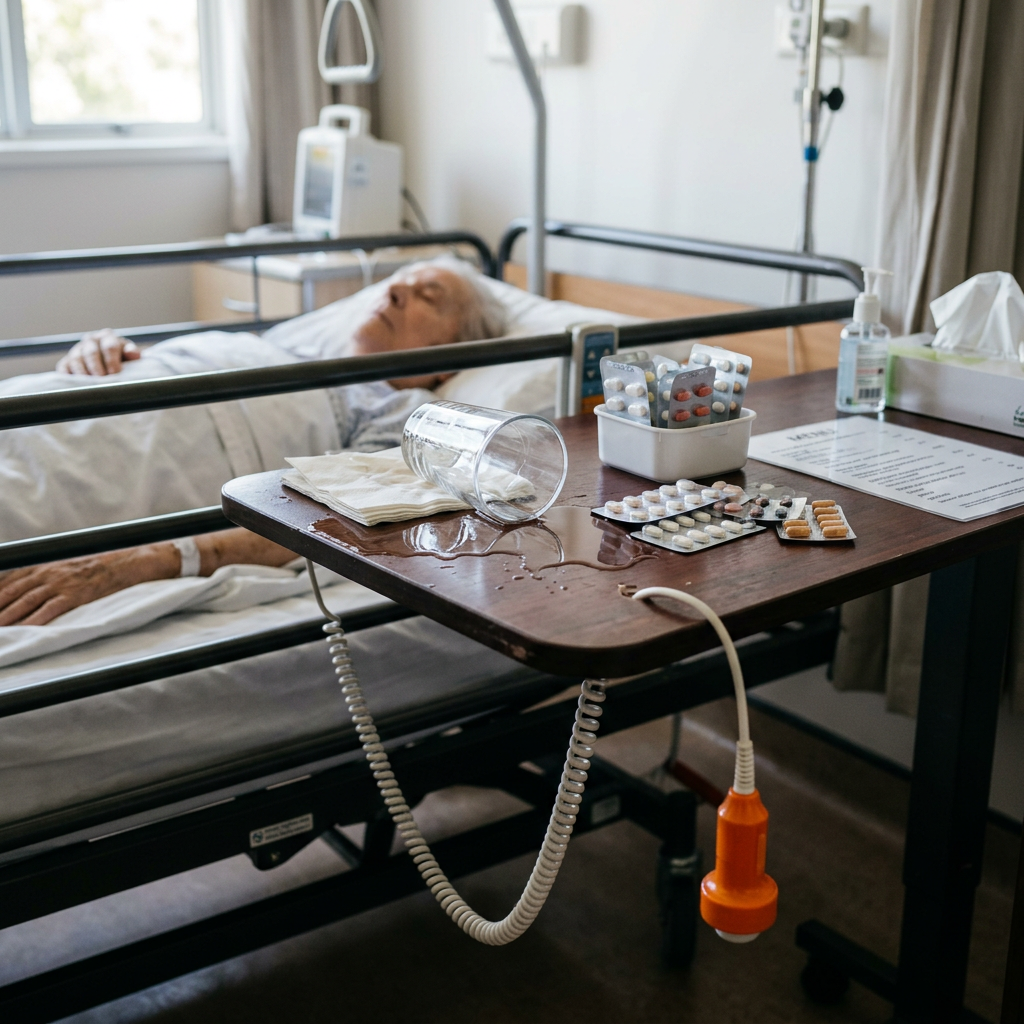
Medication and medical-care concerns deserve prompt attention. Warning signs can include unexplained drowsiness, a sudden decline after a medication change, untreated pain, missed doses, incorrect doses, or failure to respond to infections, falls, dehydration, or new symptoms. Families may also be concerned when a resident’s condition worsens but staff cannot identify when a provider was contacted.
Request a current medication list, physician orders, incident reports, care-plan updates, and relevant nursing notes. Review whether the facility notified the resident’s representative after a significant change in condition. Federal nursing home guidance emphasizes resident health and safety requirements, including facility responsibilities related to abuse and neglect investigations and reporting. CMS guidance for nursing home resident safety offers additional context.
Be Alert To Financial Exploitation
Financial abuse can occur alongside physical or emotional mistreatment. Review unexplained withdrawals, missing personal property, sudden changes in banking activity, unfamiliar signatures, new credit accounts, or pressure to change a will or power of attorney. Also, ask about the resident’s trust account if the facility manages the resident’s funds.
Ask Questions And Document Concerns
Documentation can help families identify patterns and communicate clearly with facility leaders, medical providers, advocates, or investigators. Keep notes factual. Record dates, times, names, observations, photographs when appropriate, and the exact explanations given by staff.
Useful Questions To Ask
- When did this injury, symptom, or change first appear?
- Who was responsible for the resident’s care at that time?
- Was the physician or family notified? If so, when?
- What does the care plan require, and was it followed?
- Has an incident report been completed?
- What immediate steps will the facility take to protect the resident?
Take Action When Safety Is At Risk
If a resident faces immediate danger, serious injury, or a medical emergency, call 911 and seek urgent medical care. If the situation is not an emergency, report concerns to the nursing home administrator or director of nursing in writing, while also considering a report to the state survey agency, Adult Protective Services, law enforcement, or the long-term care ombudsman program.
You do not have to prove abuse before reporting a good-faith concern. Focus on the resident’s safety, preserve records, request medical attention when needed, and continue visiting at different times of day. Early action may help stop further harm and give your loved one the support, dignity, and protection they deserve.
Discover more from The Cameron Journal
Subscribe to get the latest posts sent to your email.