Key Takeaways
- Clarify your luxury priorities to align your vehicle selection with your values and needs.
- Do in-depth research on models to compare features, reliability, and long-term costs.
- Evaluate financing and leasing options with attention to rates and terms.
- Certified pre-owned options provide added value with extended warranties and quality checks.
- Calculate full ownership costs before committing.
Investing in a luxury car is a significant commitment that blends performance, comfort, and a unique sense of status. Beyond the vehicle’s appearance, making a well-informed decision requires thorough planning. From finding the right model to ensuring you receive excellent service, every step matters, whether you are searching for a local Bentley dealer or exploring other high-end options.
It is crucial to look beyond paint and prestige. A smart luxury car purchase hinges on understanding personal priorities, financial planning, and long-term ownership considerations. Careful attention to these elements helps buyers avoid regret and ensures lasting satisfaction with their investment.
Define Your Luxury Priorities
Luxury car buyers should begin by reflecting on what matters most: performance, comfort, technology, or brand legacy? Some might value sporty handling and raw power, while others could be drawn to plush interiors and advanced infotainment. Knowing these priorities can streamline research and help narrow down choices to vehicles that truly fit your lifestyle.
Consider your typical driving habits and personal preferences. For instance, if you frequently commute in heavy city traffic, adaptive cruise control, massaging seats, and a high-quality sound system might greatly enhance your everyday experience. On the other hand, if weekend drives on winding roads are your passion, you might look for vehicles with responsive steering, dynamic suspension, and performance-focused engines. It’s also worth considering the long-term value that advanced driver assistance features or environmental credentials, like plug-in hybrid or fully electric powertrains, may offer as technologies continue to evolve.
Conduct Thorough Research
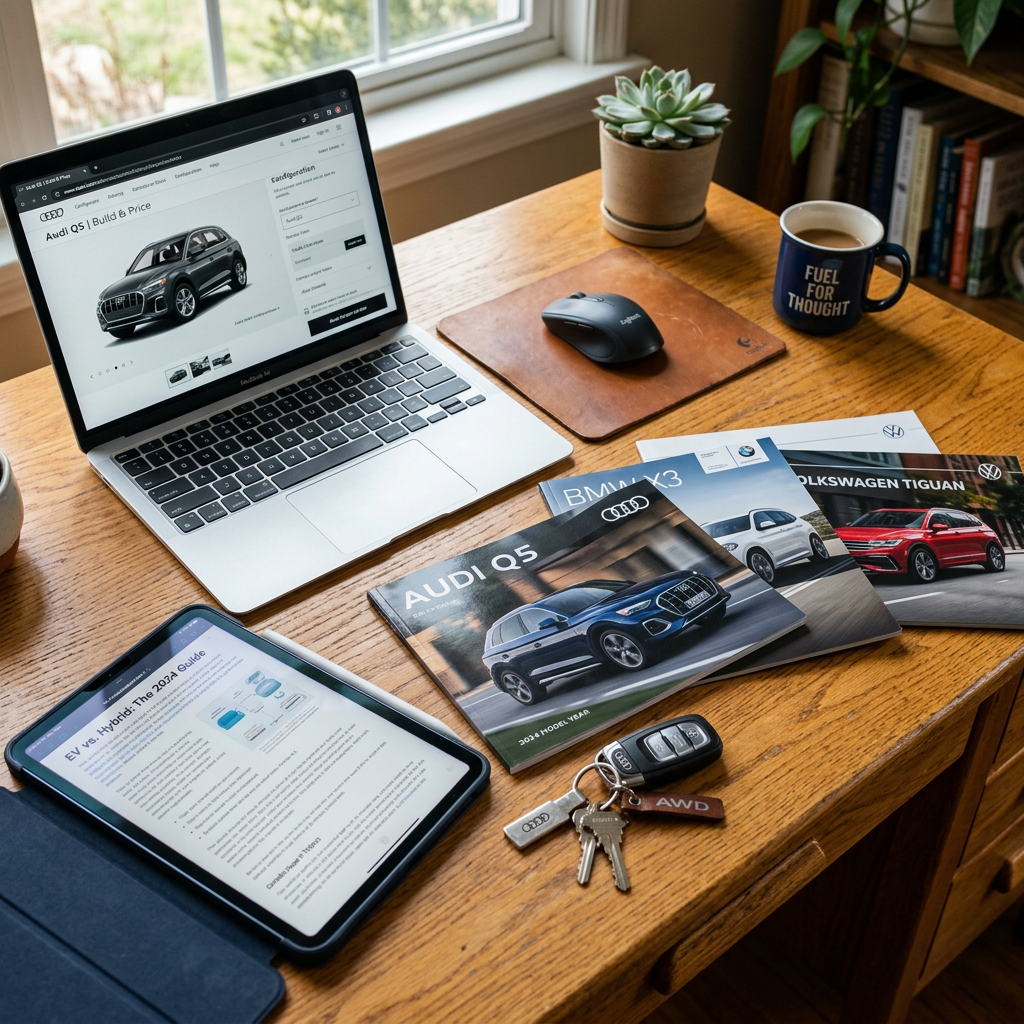
After establishing your priorities, dive into research on various models within your budget. Review reliability data and compare depreciation rates. Some luxury vehicles, while prestigious, may have steep depreciation curves that can impact trade-in or resale value. Resources such as Car and Driver’s Buyer’s Guide deliver comprehensive comparisons and ownership tips. Consider engaging in online forums and reading consumer feedback to gain perspective on long-term maintenance patterns and satisfaction rates.
In addition to model-specific information, investigate safety ratings, awards, and the manufacturer’s reputation. Some brands distinguish themselves with exceptional customer care, complimentary maintenance, or advanced warranty programs. Also, consider the model’s popularity and collector potential, as certain luxury cars can appreciate over time, especially limited-edition models or those with historical significance.
Evaluate Financing Options
The financial aspect of buying a luxury vehicle is just as critical as choosing the right model. Explore loans from banks, credit unions, and manufacturer financing programs. The structure of your loan can significantly affect the total investment, with longer loan terms potentially resulting in much higher interest over time. Do not focus solely on monthly payments; look at the interest rate, down payment requirements, and the total amount paid over the life of the loan.
Additionally, compare leasing versus buying. For some, leasing a luxury car offers the benefit of driving new models every few years with lower monthly payments. In contrast, others may prefer ownership for customization and long-term equity. Understanding the financial nuances between these options, including mileage restrictions, early termination fees, and buyout clauses, empowers you to select what best aligns with your financial goals and lifestyle flexibility.
Consider Certified Pre-Owned Vehicles
Purchasing a certified pre-owned (CPO) luxury car can deliver tremendous value. CPO programs typically include multi-point inspections, extended warranties, and, in some cases, complimentary maintenance packages. These benefits combine the advantages of a new car with substantial cost savings and peace of mind for buyers who want both quality and value. According to a recent Edmunds guide, CPO programs are particularly popular in the luxury segment due to the high initial cost of new vehicles and the desire for reliable, well-cared-for cars.
When considering CPO vehicles, take time to read the fine print on warranty transferability, coverage exclusions, and the dealership or manufacturer providing the certification. Not all CPO programs are created equal; some offer more comprehensive coverage and roadside assistance than others.
Understand Total Cost of Ownership
Owning a luxury car often means more than making higher monthly payments. Factor in the ongoing expenses such as specialized maintenance, premium fuel, and higher insurance rates. Repairs and replacement parts for luxury vehicles can be more costly and require specialized expertise. It’s essential to budget for these regular expenses before finalizing your purchase. Verify insurance costs for your preferred models with your provider in advance, since luxury vehicles tend to have higher premiums due to their high value and complex technology.
Don’t overlook the costs of maintaining luxury features such as adaptive headlights, air suspension systems, or panoramic sunroofs. These components can sometimes require specialized attention over time. Some drivers also choose to invest in regular detailing or custom protection packages to maintain the vehicle’s premium condition, which can add to annual costs but help preserve resale value.
Test Drive Multiple Models
Comprehensive research is not a substitute for real-world experience. Test-driving various models will let you directly compare handling, comfort, and features. Focus on the subtleties of the driving experience, such as seat support, dashboard ergonomics, and noise levels. Each brand and model has a unique character that test drives can help you understand. Make sure to drive in different settings, such as on highways and city streets, to experience vehicle dynamics fully.
When visiting dealerships, consider arranging back-to-back test drives with different models on the same day. This approach makes it easier to notice differences in ride quality, the intuitiveness of the technology interface, and driver visibility. Take notes or record your impressions to support your decision-making later.
Negotiate the Best Deal
With luxury vehicles, the listed price isn’t always final. Prepare to negotiate with dealers using data on local inventory and market pricing. Explore potential incentives or rebates, loyalty programs, and dealer add-ons. Being informed helps you assertively discuss terms and secure the best offer without compromising on essential features or after-sales support.
Timing can also play a significant role; end-of-quarter or year-end periods may yield additional savings as dealers look to meet sales goals. Be patient and don’t be afraid to walk away if the deal doesn’t meet your expectations. Sometimes, the best offers emerge after initial talks.
Review Warranty and Service Packages
Luxury cars often include comprehensive warranties that protect your investment. However, warranty lengths and coverage details vary by brand. Ensure you review what systems are covered, the duration, and any associated costs for routine maintenance or extended service plans. Understanding these packages can protect you from costly surprises and support the long-term reliability of your vehicle.
Some luxury brands offer exclusive perks such as free roadside assistance, complimentary loaner vehicles during service visits, or concierge services, all of which contribute to a more seamless ownership experience. Take time to compare these offerings as they can enhance both convenience and your car’s retained value over time.
Making an informed luxury car purchase requires thoughtful consideration across multiple factors. By defining your priorities, researching extensively, weighing financial options, and accounting for total ownership costs, you will enjoy a vehicle that matches both your aspirations and practical needs for years to come.
Discover more from The Cameron Journal
Subscribe to get the latest posts sent to your email.