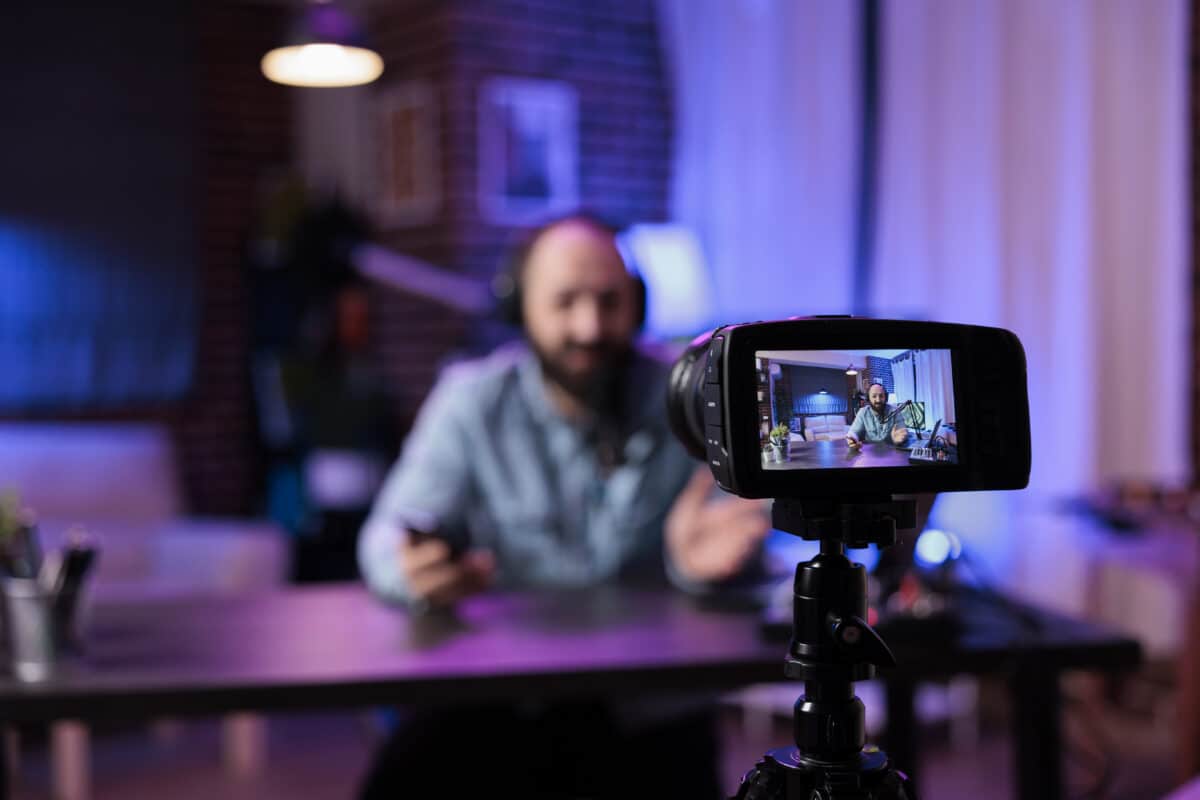
Hello from the burgeoning creative middle class! It has been over a decade since the terms influencer and creator economy entered our vocabulary. The internet, and social media in particular, democratized the means of production for media and created new types of delightful media that had not existed before. Youtube, Tik Tok, Twitter, and Vine (remember Vine?) allowed talented people to expose their talent to the world. We wouldn’t know who Justin Bieber is without Youtube. Jake Paul would just be some guy, and Mr. Beast would be working somewhere in an office park. The Cameron Journal wouldn’t even exist! However, while our new digital world has created some billion dollar brands, there is one thing that has yet to emerge from this new environment: a middle class.
Obviously, not everyone can be Mr. Beast or Jake Paul. For every musician that strikes it big on YouTube, there are 10 who don’t really get that far and either move on or just play to a small group of fans. But it would seem that after all these years, there would be a great middle, creators who are known, but not terribly well-known but can make a nice living from their art. Indeed, this was true for many artists in the pre-internet world. There were people who made a living writing short stories for magazines and doing some articles. Some writers never finished a book or never wrote one at all. Gigging musicians are the back bone of the music industry and have been providing live music for modest pay for decades. Social media land has yet to produce this, at least not in any meaningful way. Why is that?
You Can Make It…or Not
This was partially sparked by this article. John Bardos maintains that we don’t really need a creative middle class because it’s just not possible in the modern environment. Essentially, his premise is that the cream will rise to the top and that is just fine. But what about those who are good, but not great, or can’t spend the time and money to become the next big creator? Don’t they matter too? According to Li Jin at Harvard Business Review, the answer is yes. He maintains that for any of this to be sustainable, a thriving middl class of creators is essential. This is already evident in some verticals.
I see this in the drag queen scene. The ladies that have been on drag race are the most famous and many of them have parlayed their time on TV into podcasts, events, and much more. But there are also other queens who have made their mark only online. Coco Peru, who was Hollywood-famous before anyone else and is a contemporary of RuPaul revived her career thanks to the internet. Novympia is a drag queen trio from the UK that is entirely supported by their Patreon subscribers and they have never been on Drag Race.
You can also see this in music from time to time as well. People garner a big enough fan base to do alright but often never break out beyond that. Pentatonix started online and have become quite well-known but there are other creators who continue to create for private audiences online and they can make enough on that basis. I think one of the best examples of this is Postmodern Jukebox.
This can also happen in the podcasting world. Scott Ackerman of Comedy Bang Bang started out in radio and is a godfather of the podcasting medium. He can fill the Moore auditorium in Seattle (where I saw him) but you could pass him in the street and not know who he is if you don’t know comedy. Some creators like Trae Crowder (WellRed Comedy) have turned a viral video into a comedy career.
And yet despite all of this, a creative middle class has never really developed in the way we might expect, why is that?
So Where is This Middle Class?
Despite all of this, most of the millions of dollars paid out by platforms go to less than 1% of content creators and most of the content on the internet is created by 8-10% of people. One might think that this would lead to at least a sort of distribution of the money and that a few would make a great deal of money and then everyone else would make some money but it hasn’t quite happened that way.
One of the reasons the middle class hasn’t developed, as rightly argued by Li Jin is that algorithms aren’t nice to you if you aren’t popular. I’ve experienced this myself. I started into doing video again this year and traffic begets traffic. This was also true for Google as I built The Cameron Journal. Popularity is king and those who have it command the space far more than the rest of us who aren’t quite as popular.
However, not all is lost. There are plenty of people who have developed their own audiences. In this article from Worth, they talk about how creators can leverage digital products to make more money and engage their audiences. Watch this space because I have some exciting new things of my own launching in 2024 along this line.
It all has to do with how creators can monetize. I have long argued that is rather unfair that social media platforms (Google too) make all their money from ad revenues on content that is freely provided to them. This has all but killed journalism as we’ve known it in this country and the same system is coming for other types of creativity as well.
Platforms can certainly make some changes to pay out more money and to give smaller creators a chance to be seen. Tik Tok has somewhat excelled in this area and it would be good for YouTube and others to follow suit. It might even help creators with burnout and mental health issues.
The State of the Creator Economy
John Bardos pointed out one thing that I’ve found myself. Competition seems overwhelming but it really isn’t. Most people give up fairly early on in the process. I heard earlier this year that the magic number of episodes for a successful podcast is 153 (which I surpassed this year after 3 years). Being successful in the Creator Economy is partly about volume of content. I knew that was part of the game early on myself. Most podcasters give up after only 10 episodes. This year I uploaded my archives from The Cameron Cowan Show and I have the right amount of videos on YouTube as well. His point that it takes time to stand out and it takes experience is well taken. There really is no such thing as an overnight success.
Having a lot of content and content that people want to watch is crucial to being successful. Catchy titles and accessible stuff is crucial to garnering that attention. That all being said, it would be nice for platforms to help the rest of us stand out, even in our own niches (like news and politics!) and help spread the views around a little bit more. Creators should keep creating and those who stick with it will be able to win and get ahead. Platforms can help make this happen by structural shifting things around to help all creators engage with audiences and help creators make more and better content.
Discover more from The Cameron Journal
Subscribe to get the latest posts sent to your email.