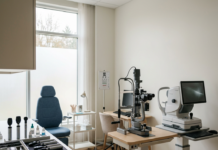
Looking after your health involves recognising changes in your wellbeing, seeking appropriate professional advice and understanding the options available for support. Everyday tiredness, musculoskeletal concerns and sudden health problems can all affect quality of life, but the right response will depend on the circumstances.
For some people, learning more about a particular symptom can provide useful context. Others may be interested in a career supporting patients through hands-on healthcare. When an unexpected illness or injury occurs, knowing how to access medical attention promptly can also provide reassurance.
Understanding Persistent Tiredness
Feeling tired occasionally is a normal part of life. Busy schedules, poor sleep, stress and changes in routine can all leave people feeling less energetic than usual. However, persistent or unusual tiredness may sometimes warrant further investigation.
People living with multiple sclerosis, for example, may experience MS tiredness, which is often described as a significant lack of energy or an overwhelming feeling of fatigue. It can affect everyday activities and may not always improve simply by getting more sleep.
Fatigue can be influenced by several factors, including the condition itself, disrupted sleep, pain, medication, stress or the effort required to carry out routine activities. Anyone experiencing persistent or unexplained tiredness should consider discussing their symptoms with an appropriate healthcare professional.
Managing Energy More Effectively
For people affected by long-term fatigue, managing energy levels can involve finding a balance between activity and rest. Attempting to complete too many tasks in a short period may leave someone exhausted and less able to manage essential activities later.
Planning ahead can help. Breaking larger tasks into smaller stages, prioritising important activities and allowing regular periods of rest may make daily routines more manageable.
Lifestyle factors such as maintaining a regular sleep routine, eating a balanced diet and staying appropriately active can also contribute to general wellbeing. However, individual circumstances vary, so personalised medical advice is important where fatigue is persistent or significantly affects daily life.
Exploring a Career in Osteopathy
Healthcare is not only about receiving treatment. Some people are drawn to professions that allow them to support others with physical wellbeing and musculoskeletal problems.
Osteopathy is a hands-on healthcare profession that focuses on the musculoskeletal system and how it relates to overall health. Osteopaths may work with patients experiencing issues affecting muscles, joints and other parts of the body.
For those considering this career, understanding how to become an osteopath is an important first step. Aspiring practitioners need to complete appropriate education and training before they can practise professionally.
Training and Professional Development
Osteopathic education typically combines academic study with practical training. Students learn about areas such as anatomy, physiology, pathology and clinical assessment, while also developing practical skills relevant to patient care.
The profession requires more than an interest in anatomy. Good communication is important because practitioners need to understand patients’ concerns, explain treatment approaches and provide appropriate advice.
Prospective students should research recognised training routes and understand the registration requirements that apply in the UK. Osteopaths in the UK are regulated professionals, so individuals need to meet the relevant standards before practising.
Career development does not necessarily end after qualification. Continuing professional development can help practitioners maintain and expand their knowledge throughout their careers.
Knowing When Medical Attention Is Needed
Not every health concern requires emergency treatment, but some situations should not be ignored. A sudden illness, worsening symptoms or an unexpected injury may require prompt assessment.
For people in Hampshire, knowing where to seek appropriate care can make dealing with an unexpected problem less stressful. An urgent doctor appointment Winchester service may provide an option for patients who need medical advice or assessment promptly but do not necessarily require emergency hospital treatment.
Patients should describe their symptoms clearly when requesting an appointment. Providing information about when symptoms started, whether they have become worse and any relevant medical history can help healthcare staff determine the most appropriate level of care.
Understanding Different Levels of Care
Urgent medical appointments are designed for situations that need timely attention. They are different from emergency services, which are intended for potentially life-threatening conditions.
Anyone experiencing severe chest pain, significant difficulty breathing, loss of consciousness or other serious symptoms should seek emergency medical assistance rather than waiting for a routine appointment.
For less severe but urgent concerns, contacting an appropriate healthcare service can help patients understand what to do next. Medical professionals can assess symptoms and recommend suitable treatment or further investigation.
Taking Health Concerns Seriously
Whether dealing with persistent fatigue, considering a healthcare career or responding to an unexpected illness, informed decision-making is valuable.
Understanding symptoms can encourage people to seek appropriate support, while professional training can help future healthcare practitioners develop the skills needed to care for patients. Access to timely medical advice can also ensure that urgent concerns are assessed appropriately.
Health needs can change throughout life, so maintaining awareness of available support is worthwhile. By paying attention to persistent symptoms, seeking qualified advice and knowing when urgent care is appropriate, individuals can take a more proactive approach to their health and wellbeing.
Discover more from The Cameron Journal
Subscribe to get the latest posts sent to your email.