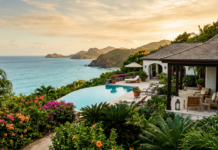
The definition of luxury travel is undergoing a profound transformation across the globe. Gone are the days when a high-end vacation simply meant staying in a towering, generic hotel in a crowded tourist hub with thousands of other guests. Today’s affluent travelers are seeking meaning, space, and a slower pace. They are intentionally moving away from heavily trodden tropical destinations that have lost their sense of discovery. Instead, they are investing their budgets into highly personalized, bespoke journeys. This shift is deeply connected to how modern travelers leverage expert planning for their time away, much like the trends seen in the rise of bespoke luxury lifestyle and concierge services. By prioritizing emotional restoration and digital detoxes, these travelers are turning toward boutique island escapes in Southeast Asia to find authentic, life-affirming experiences that provide lasting memories.
The Rise of Wellness Tourism and Quiet Travel
Travel analysts have identified a massive regional shift toward “Quiet Travel.” In this new paradigm, high-net-worth individuals prioritize multi-night, slow-paced stays over rapid sightseeing. Southeast Asia has emerged as a prime region for these restorative journeys. The demand is not merely anecdotal. According to Mordor Intelligence, the Asia Pacific wellness tourism market is projected to reach an astonishing $310.56 billion by 2031, with eco-wellness lodges experiencing the fastest growth segment at a nearly 13% annual rate.
To support this booming demand, regional tourism authorities are proactively stepping up. For instance, the Vietnam National Authority of Tourism advanced its comprehensive wellness tourism development proposal with the goal of seamlessly linking luxury hospitality with traditional herbal medicine. When evaluating the ideal resort Phu Quoc 5 star property, today’s discerning traveler looks past standard amenities to prioritize authentic heritage architecture, holistic sanctuaries, and a deep commitment to elegant, oceanfront slow living. These bespoke boutique operators offer a restorative environment where history and modern comfort seamlessly intertwine.
Authenticity and Historic Charm Over Cookie-Cutter Luxury
As personalization becomes the ultimate currency in travel, the adaptive reuse of historic architecture has become a hallmark of premier Southeast Asian hospitality. Affluent tourists increasingly prefer environments that offer a grounding, culturally rich atmosphere over ultra-modern, sterile facilities. Major luxury portfolios have validated this demand for historic authenticity, strategically expanding by converting culturally significant boutique heritage properties rather than building from scratch. This approach allows them to offer a narrative that resonates deeply with visitors.
Emerging destinations are perfectly positioned for this trend. Recent data reveals that hotel occupancy in boutique enclaves like Phu Quoc Island has significantly outperformed established hotspots such as Phuket and Bali. Global travel platforms have highlighted the destination as a rapidly maturing ecosystem of world-class, design-forward retreats. Top-tier developers are meticulously preserving French Indochine and Peranakan design elements to give guests a profound, lived-in sense of place, proving that hyper-local curation feeds the soul.
Key Elements of the Modern Slow Luxury Escape
What exactly separates these new boutique island experiences from traditional mass-market luxury? The distinction lies in highly intentional curation that caters to both the mind and the body. Boutique properties in Southeast Asia are leading the charge by offering several distinct elements:
- Cultural Preservation: Instead of erecting new towers, many brands are converting culturally significant heritage properties. This allows guests to experience authentic regional history through architecture and curated private tours.
- Holistic Sanctuaries: Standard spa facilities are being replaced by comprehensive wellness sanctuaries. These spaces integrate local herbal traditions, thermal treatments, and mindful meditation to facilitate deep emotional and physical restoration.
- Hyper-Local Curation: True luxury now involves unique, localized experiences. This ranges from ethical wildlife encounters to private culinary classes that explore traditional flavors in an intimate setting.
- Digital Detox Focus: The concept of the “Whycation” centers on purposeful travel. Properties are designed to help guests disconnect from their screens and reconnect with their surroundings through slow-paced, grounding environments.
The future of luxury travel is quiet, intentional, and deeply rooted in a unique sense of place. By blending historic authenticity with bespoke wellness programs, boutique island escapes in Southeast Asia are successfully redefining what it means to truly get away from the stresses of modern life. As long as travelers continue to seek out profound, restorative experiences, these intimate havens will remain at the forefront of the global luxury hospitality market for years to come.
Discover more from The Cameron Journal
Subscribe to get the latest posts sent to your email.