Key Takeaways
- A shorter treatment timeline is not always the best treatment plan.
- Gum health, bone support, medical history, bite forces, and home care can all influence implant planning.
- “Same-day” may describe implant placement, temporary teeth, or both. It does not always mean final teeth are delivered that day.
- A useful consultation should cover diagnostics, treatment alternatives, recovery needs, costs, and long-term maintenance.
- Dental implants need ongoing care because the surrounding gums and bone can still develop inflammation.
For many people in Beaverton, Oregon, replacing missing teeth is about more than appearance. It can affect meals with family, confidence at work, speech, and comfort during everyday routines. While a fast solution may sound appealing, the most helpful implant plan is one built around your health, healing capacity, and long-term goals.
Patients researching same-day dental implants Beaverton can review information from Periodontal Associates, a periodontal and implant-focused practice serving Beaverton, Tualatin, and Portland. Its implant resource explains how diagnostics, bone support, temporary teeth, healing, and final restorations may fit into a personalized treatment process, which is especially relevant for patients comparing options for more complex needs.
Speed Versus Predictability in Implant Care
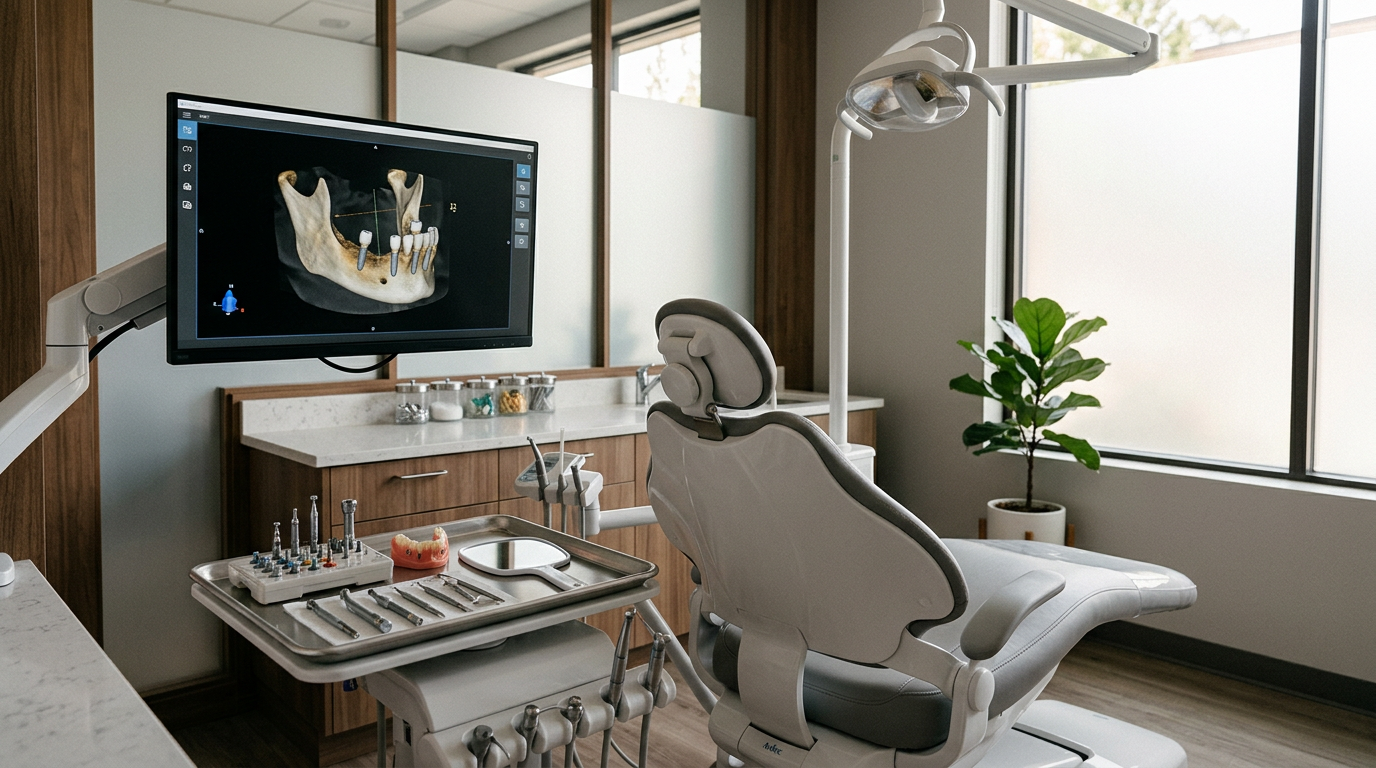
Dental implant treatment can involve several stages: examination, imaging, treatment of gum disease if needed, tooth removal, implant placement, a temporary restoration, healing, and final teeth. Some patients may move through these stages efficiently. Others may benefit from additional preparation before surgery. Neither path is automatically better.
For example, replacing one missing tooth may require a different plan from rebuilding a full arch of failing teeth. Stable bone, healthy gums, medical considerations, and the pressure created by biting or grinding all matter. A predictable plan gives the clinician time to place implants in positions that support function and hygiene, rather than treating speed as the only outcome.
What “Same-Day” Can Mean
The phrase “same-day” can be useful, but it should be defined clearly during a consultation. It may refer to one part of the treatment rather than to every stage, from surgery to the final restoration.
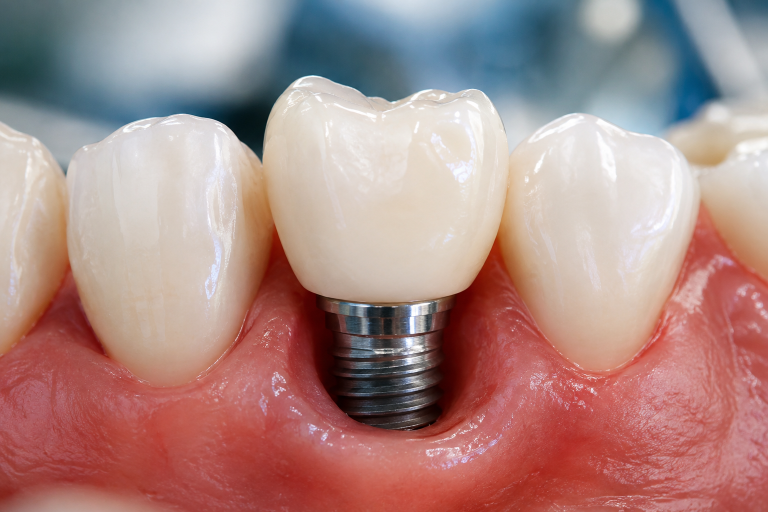
- Immediate implant placement: An implant may be placed when a tooth is removed, if conditions allow.
- Immediate temporary tooth: A temporary crown, bridge, or removable option may be provided after surgery.
- Temporary full-arch teeth: Some full-mouth cases may receive a temporary fixed arch supported by implants.
- Final restoration: Final teeth are commonly designed after healing and follow-up evaluation.
Ask exactly what you will leave with, whether it is temporary, how you should use it, and when final teeth may be considered. That conversation helps avoid confusing an immediate temporary restoration with the completed treatment.
Preparing for a Consultation
A thorough implant evaluation allows you to compare choices thoughtfully. Bring a current medication list, information about allergies and past surgeries, prior dental records if available, and notes about concerns such as eating, speaking, appearance, comfort, timing, or budget.
Your visit may include an oral examination, digital imaging, a review of your gums and supporting bone, and a discussion of your bite. It is also an appropriate time to discuss smoking, diabetes, sleep concerns, or teeth grinding. Good planning should leave room for questions instead of creating pressure to make an immediate decision.
Health Factors That Affect Implant Planning
Gums, Bone, and Bite Forces
Active gum inflammation may need attention before implants are placed. Bone volume and density can influence where an implant can be positioned and whether supportive treatment is appropriate. Heavy clenching or grinding may affect restoration design and may warrant a protective night guard.
Medical History and Daily Habits
Smoking, blood sugar management, medications, and overall health should be reviewed before oral surgery. These factors do not automatically determine whether someone can receive implants, but they can affect the discussion about risks, healing, timing, and maintenance.
Long-term attention matters because inflammation around dental implants can affect the surrounding soft tissue and bone. Previous gum disease, smoking, diabetes, and inadequate plaque control are among the factors that may raise concern for peri-implant disease.
Questions to Ask Before Choosing a Plan
- Which restoration best fits the number and location of my missing teeth?
- Will I receive a temporary tooth or a temporary bridge on the day of surgery?
- Could gum treatment, extraction, or bone support be needed before implant placement?
- What imaging and diagnostic steps will guide the plan?
- What could extend the timeline?
- Who will create and place the final restoration?
- What is included in the written estimate?
- What follow-up visits and maintenance are expected?
Planning for Recovery and Daily Life
Recovery planning can make the treatment period easier, particularly when work schedules, school pickups, and Portland-area travel are part of daily life. If sedation is planned, arrange a ride home. Keep soft foods available, follow activity restrictions, and schedule time for follow-up visits before the procedure date arrives.
Mild swelling, tenderness, and temporary changes in chewing may occur after oral surgery. Contact the treating office if you experience worsening pain, persistent bleeding, fever, severe swelling, or a loose temporary restoration. Follow the specific post-operative instructions provided for your case.
Protecting Your Implant Results Over Time
Implants do not develop cavities like natural teeth, but the tissues around them still require consistent care. Brush twice daily, clean around or beneath implant-supported teeth as instructed, attend professional visits, and promptly report any bleeding, tenderness, redness, swelling, or changes in fit.
- Use a soft-bristled toothbrush and the cleaning tools recommended for your restoration.
- Keep periodontal and restorative follow-up appointments.
- Use a night guard if grinding places extra force on the teeth.
- Address small changes early rather than waiting for discomfort.
Finding the Right Type of Provider for Complex Needs
Patients with bone loss, a history of gum disease, failing teeth, or a history of difficult dental treatment may value a provider who evaluates both the implant and the tissues supporting it. When comparing options in Beaverton and nearby communities, look for clear explanations of temporary and final teeth, diagnostic imaging, written aftercare, access to follow-up care, and transparent treatment estimates.
Final Thoughts
A well-considered implant plan should work with your health, schedule, budget, and ability to care for the result over time. The most useful questions remain straightforward: What happens on the first day? What happens during healing? What might change the plan? And who will support long-term care? Clear answers can help Beaverton patients move forward with greater confidence.
Discover more from The Cameron Journal
Subscribe to get the latest posts sent to your email.