Solo camping offers something that group trips simply can’t match – complete freedom to set your own pace, choose your own adventures, and connect with nature on a deeply personal level. There’s no need to coordinate schedules, compromise on destinations, or worry about anyone else’s comfort level with challenging conditions. But camping alone also removes the safety net that comes with having others around to help when things go wrong.
The risks of solo camping are real but manageable with proper preparation and the right mindset. Most problems that seem overwhelming when you’re alone become routine inconveniences when you have the right gear and knowledge to handle them. The key is thinking through potential scenarios before you’re dealing with them in the dark, tired, and possibly stressed.
Essential Lighting and Visibility Gear
When camping alone, reliable lighting becomes more critical than it might seem at first. There’s no backup person to hold a light while you set up camp, tend to gear problems, or handle unexpected situations after dark. Having multiple light sources isn’t just convenient – it’s a safety essential.
Quality flashlights designed for outdoor use provide the reliability solo campers need when things get complicated. A primary light should be powerful enough to handle camp setup, cooking, and navigating around your site safely. But equally important is having backup lighting that won’t fail when your main light dies or gets damaged.
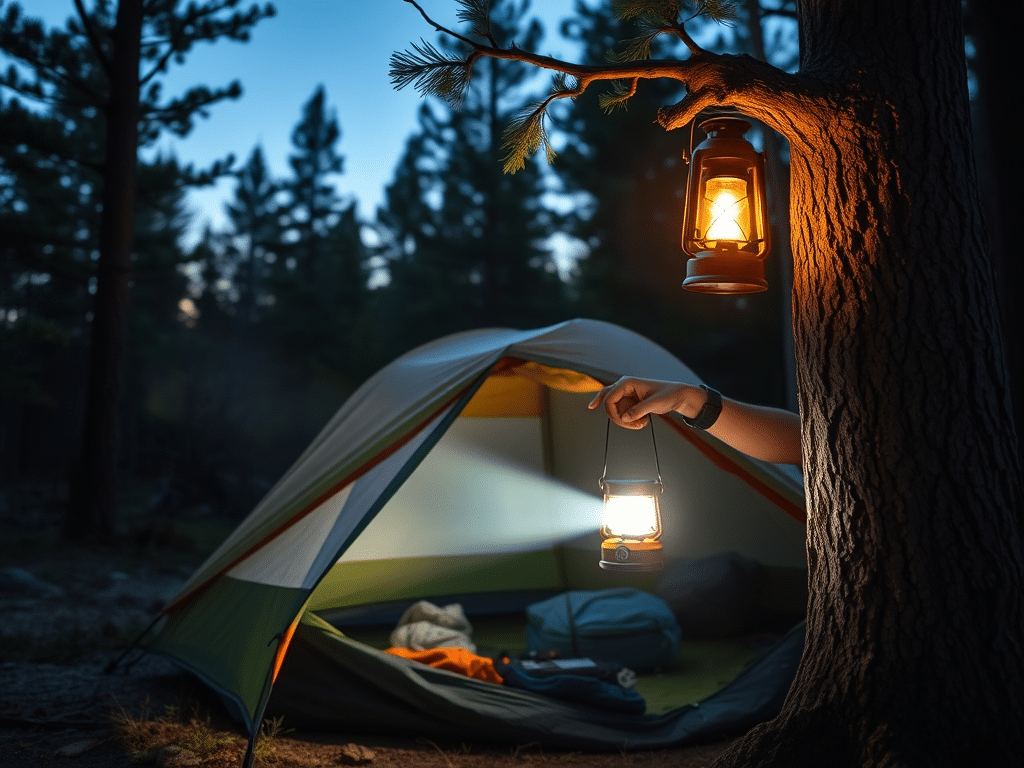
Hands-free lighting options make solo camping tasks much easier. Headlamps are obvious choices, but lantern-style lights that can hang from tent ceilings or tree branches provide area lighting that makes camp chores less frustrating. Red light modes help preserve night vision, which becomes more important when you’re the only person keeping watch over camp security and safety.
The problem many solo campers run into is battery management. When there’s no one else to share gear responsibilities, having backup power becomes your responsibility alone. Extra batteries, portable charging options, or solar charging panels provide insurance against being stuck without light when you need it most.
Communication and Emergency Planning
Cell phone coverage in camping areas ranges from spotty to nonexistent, and solo campers can’t rely on others to seek help if something goes wrong. This makes emergency communication planning more critical for solo trips than group camping.
Personal locator beacons or satellite communicators provide emergency communication capability even without cell towers. These devices can send distress signals with GPS coordinates to search and rescue services, though they require subscription services and add gear complexity. For casual car camping, they might be overkill, but for backcountry solo trips, they’re worth considering.
Emergency whistles provide a simple backup signaling method that doesn’t depend on batteries or subscriptions. Three sharp blasts is universally recognized as a distress signal, and whistles carry much further than shouting. They’re lightweight, cheap, and work reliably even in wet conditions.
Trip planning becomes more important when camping alone. Leaving detailed itineraries with trusted contacts, including expected return times and emergency contact procedures, ensures someone will notice if plans go wrong. Many solo campers establish check-in schedules with friends or family members as an additional safety layer.
Campsite Selection and Setup
Choosing safe campsites requires different considerations when camping alone. Sites that feel secure and manageable become priorities over those that might offer better views or convenience. Being able to see approaches to your campsite, having escape routes available, and selecting locations that don’t advertise your presence all become more important.
Setting up camp efficiently becomes crucial when daylight is limited and there’s no help available. Solo campers benefit from practicing camp setup at home, ensuring they can handle their tent, kitchen, and gear organization quickly and safely. Having systems that work reliably reduces stress and prevents problems that could escalate when you’re alone.
Gear organization takes on added importance for solo campers. Everything needs to be accessible and easy to locate, especially items needed for emergencies or nighttime situations. Many experienced solo campers develop specific packing systems that ensure critical items are always in known locations.
Wildlife Safety Considerations
Wildlife encounters feel more threatening when you’re camping alone, even though animals generally don’t distinguish between solo campers and groups. The difference is psychological – dealing with curious raccoons, aggressive squirrels, or larger animals feels more manageable when others are present to help problem-solve.
Food storage becomes entirely your responsibility when camping alone. Bear canisters, hanging food bags, or vehicle storage all require proper execution without help from others. Failure to secure food properly can create dangerous situations that are harder to manage solo.
Noise can be both helpful and problematic for solo campers. Making reasonable noise while moving around camp can prevent surprising wildlife, but excessive noise might also advertise your presence to other people who might pose risks. Finding the right balance requires judgment and awareness of local conditions.
Weather Preparedness and Shelter
Weather changes can create serious problems for solo campers who don’t have others to help with emergency shelter improvements, gear repairs, or decision-making about whether to stay or leave. This makes weather monitoring and preparation more critical.
Shelter systems need to be robust enough to handle unexpected conditions without requiring help to set up or repair. Tents that are difficult to manage alone or require multiple people for proper setup become liabilities rather than assets for solo camping.
Emergency shelter options provide backup protection when primary shelters fail or conditions deteriorate beyond expectations. Lightweight tarps, emergency bivies, or backup shelter materials can make the difference between a manageable situation and a dangerous one.
Navigation and Route Planning
Getting lost while solo camping creates more serious problems than it would for groups. There’s no one to stay at camp while someone seeks help, no backup navigation skills to rely on, and no one to assist with problem-solving when routes become unclear.
GPS devices, paper maps, and compass navigation skills become more important for solo campers. Having multiple navigation methods ensures that technology failures don’t create dangerous situations. Many solo campers also mark their routes more carefully and leave trail markers to assist with return navigation.
Building Solo Camping Confidence
Solo camping skills develop over time through experience with manageable situations. Starting with car camping or well-developed campgrounds allows building confidence before moving to more remote or challenging locations. Each successful solo trip builds the knowledge and confidence needed for more adventurous objectives.
The goal isn’t to eliminate all risks – that’s impossible in outdoor activities. Instead, successful solo camping comes from understanding risks, having appropriate gear and skills to manage them, and making smart decisions about when conditions exceed your ability to handle them safely alone.
Discover more from The Cameron Journal
Subscribe to get the latest posts sent to your email.