
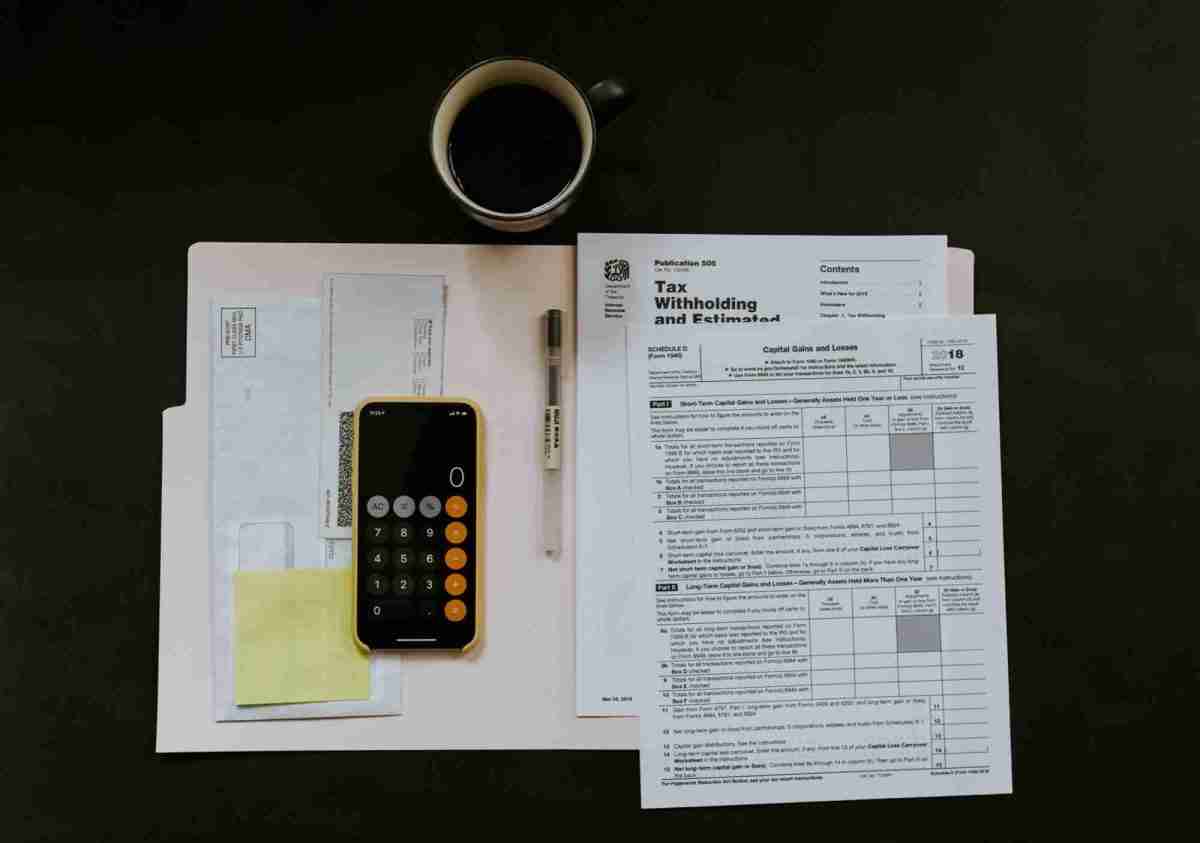
Small business owners have a lot to contend with, especially in the age of the internet, where millions of new businesses launch every week. Aside from the competition, you need to handle marketing, product ideation, sourcing suppliers, website updates, creating content, and those pesky taxes.

Photo by Volkan Olmez on Unsplash
The best way to ensure that your records are kept up to date is to use accountancy software, to keep track of this for you; if you can’t stretch that in the budget, then a spreadsheet is the next best option. When the time comes to do your tax return, you may wish to seek the services of a tax return accountant who will let you know of anything you owe and ensure that your taxes are filed correctly and within the deadline.
And, depending on your personal circumstances, taxes can get more complicated too. For example, if you are an expat, you’re going to need specialist expat tax return preparation or multiple businesses of a non-profit.
Here are some tips that can help you get to grips with your taxes.
Records
If you aren’t keeping records, you are going to find it difficult to get everything in order when it comes to tax time. Make sure that you start the year with a fresh spreadsheet and a folder ready for all of your invoices. Without that accurate record keeping, you are going to miss out on valuable deductions. Meanwhile, staying organized with your financial records throughout the year makes tax preparation smoother and helps you take full advantage of available deductions. In that regard, the expertise of companies like The VAT Consultancy (accessible from thevatconsultancy.com/industries/) can help businesses in various industries by ensuring accurate reporting, optimizing tax recovery, and maintaining compliance with regulations.That is usually the most beneficial if you can use accountancy software; if you can’t stretch that in the budget, then a spreadsheet is the next best option.
Personal and Business
While most small business owners know this should be separate, it is often still left messy and mixed up. Although you might have everything in good order, if you have commingled personal cash and business cash, you are opening yourself up to the potential of the IRS looking into your personal money too.
Get a separate bank account to have all of your business income paid into, and then pay yourself out of that.
Reduce your income tax
Reducing your taxable income starts by knowing what you can and cannot claim. If you have an accountant, they will be able to go through this with and for you. But you should spend the time understanding it anyway. This is why it is important to have help with tax strategy for any small business.
Small businesses can often claim on the following:
- Advertising
- Milage
- Home office
- Wages
- Utilities
- Travel
- Professional fees
- Equipment
- Furniture
Quarterly Taxes
If you are likely to own more than $1000 at the end of the financial year, then you should make quarterly payments. You can contribute to your year-ends using the Form 1040-ES on the following dates:
- April 15
- June 15
- September 15
- January 15
Charitable donation
Not only is donating to charity great for you, but as a small business, it means you can reduce your tax liability too. There are a couple of limits on how much you can donate throughout the tax year.
As an individual, you can donate and write off 100% of taxable income, but you can donate and write off up to 25% as a corporation.
Donating to a charity is also a bonus because it can be used in your marketing efforts. People are more likely to purchase from a company that regularly donates to charities.
It’s not just your accounts that can save you money long term; there is a range of places where you can save cash: Simple Mistakes that Can Cost Your Business Money and Growth.
Discover more from The Cameron Journal
Subscribe to get the latest posts sent to your email.




