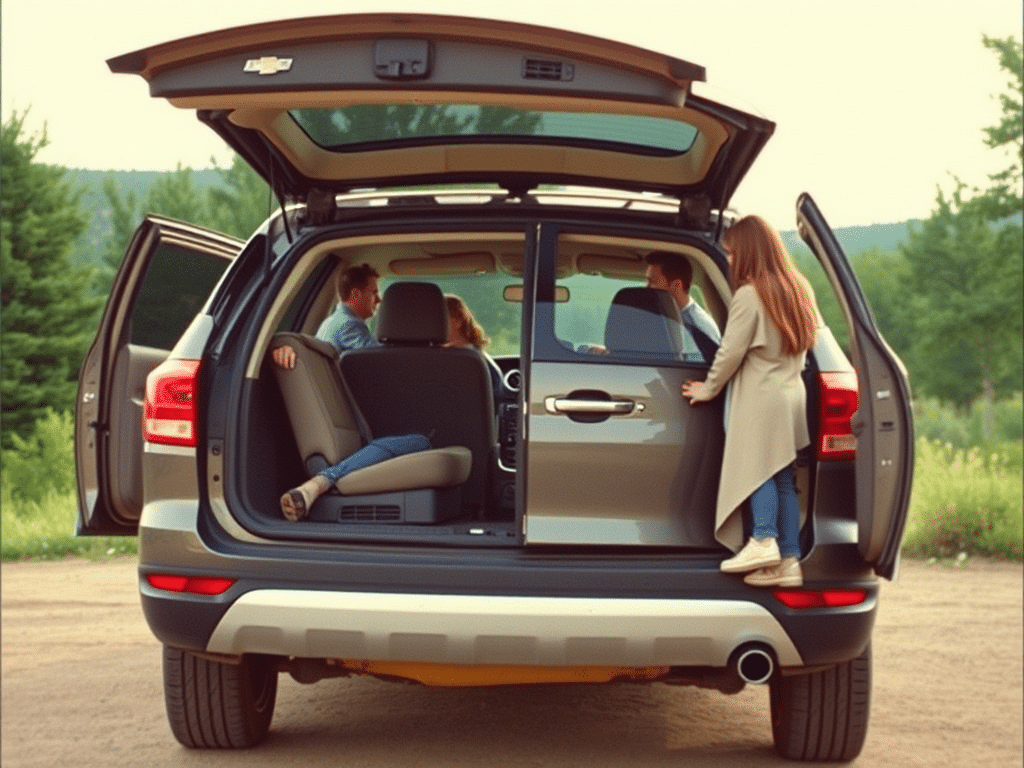
Thinking about upgrading to a larger vehicle can bring up plenty of questions. Maybe you started a family, or you just need more cargo space, or you just simply want a car that feels bigger and safer on the road.
Visiting or looking for a Subaru dealership near me or checking out similar brands may seem tempting, But before you make the leap, it’s important to think about whether a bigger car truly fits your lifestyle and your finances. Let’s take a look at some simple points to help you to make that decision.

- Evaluate your space needs.
The first and most obvious reason that people consider a bigger car is space. If your current vehicle feels cramped, especially during family trips, car pools, or grocery runs, it may be time for something bigger. Extra seating and cargo room can make daily life more comfortable, but if you’re driving alone or mostly using your car for shorter commutes, that extra space may not be worth the higher cost that comes with the bigger vehicle. It’s all about balancing practicality with your real needs.
- Consider the financial impact.
Larger cars often come with higher price tags, both at purchase and in time. Beyond the initial cost, you need to also think about the fact you’ll pay more for fuel, insurance, maintenance and sometimes even registration fees if you’re financing your new vehicle. That could also mean higher monthly payments and more interest over the life of the loan. Take time to calculate what the upgrade would mean for your budget and ask yourself, will the added space and comfort truly justify the additional expense?
- Think about fuel efficiency.
One of the biggest tradeoffs of moving to a larger car is fuel economy. Bigger vehicles typically consume more gas, which can add up quickly, especially if you drive long distances or commute daily. Before making the switch, compare the miles per gallon of your current car with the model that you’re considering. Some newer SUVs and crossovers offer more improved efficiency thanks to hybrid technology, but in general, smaller cars will still save you more at the pump.
- Factor in maintenance and insurance.
Larger cars often have more complex systems, bigger tyres and additional features, and all of these can increase the costs of maintenance and repair. Insurance premiums can also be higher due to the vehicle’s size, value and potential repair expenses. It’s smart to contact your insurance company for a quote before you buy so that you can avoid any nasty such shocks.
- Think about your lifestyle and your future plans.
Finally, think about how your life could change in the next few years. If your family is growing or you frequently travel with pets or outdoor gear, a bigger car could be practical in the long term. But if your needs might shrink, such as the kids moving out or shorter commute being made, it may be wiser to stick with a smaller, more efficient vehicle.
Discover more from The Cameron Journal
Subscribe to get the latest posts sent to your email.