
The Problem of Battery Anxiety in Modern Tech
Battery anxiety has plagued mobile technology users since the first portable electronics entered consumer markets, creating a persistent undercurrent of concern that undermines the very convenience these devices promise to deliver. The constant awareness of remaining power, the frantic searches for charging outlets in public spaces, and the compromises required to extend usage all detract from user experience in ways that accumulate into significant frustration. Wearable technology faces particular endurance challenges given their continuous contact with the body and expectation of round-the-clock functionality without the breaks that phone charging naturally provides.
The fundamental value proposition of any wearable device depends entirely on its ability to remain operational when needed across diverse daily scenarios. A fitness tracker that dies mid-workout fails its primary purpose and loses the data that motivated the exercise session. A health monitor that requires nightly charging creates dangerous data gaps during sleep, precisely when critical cardiac and respiratory events that require documentation occur. A notification device that spends hours on chargers misses important communications during those periods. Extended battery life transforms wearables from occasionally useful gadgets into genuinely reliable life companions that users can depend upon without constant attention to power levels.
The emotional toll of battery anxiety extends beyond mere inconvenience into genuine stress that contradicts the wellness promises of health-focused wearables. When users must constantly monitor power levels and plan activities around charging schedules, the device becomes another source of worry rather than a tool for reducing stress. This paradox undermines adoption and consistent usage, as the cognitive burden of power management outweighs the benefits provided. Devices that operate autonomously for extended periods eliminate this friction, allowing users to focus on their lives rather than their technology.
Engineering Solutions for Extended Endurance
Modern power management achieves remarkable efficiency through multiple complementary strategies that work together synergistically. Low-power display technologies maintain perfect visibility without excessive energy consumption that would quickly drain reserves. Intelligent sensor activation ensures that power-hungry components operate only when necessary, remaining dormant during periods when their data would not change significantly. Optimized wireless communication minimizes transmission energy while maintaining reliable connectivity for notifications and data synchronization. Sophisticated operating systems suspend background processes that do not contribute to immediate user needs, creating lean software environments that respect battery limitations.
The practical implications of extended endurance extend far beyond simple convenience into genuine lifestyle enhancement that changes how people live and travel. Travelers can embark on multi-day business trips or weekend getaways without packing additional chargers, adapters, or worrying about voltage compatibility in foreign destinations. Outdoor enthusiasts conduct weekend adventures without power concerns that would otherwise limit trip duration or require heavy solar charging equipment. Busy professionals maintain continuous connectivity and health monitoring through demanding schedules that span early mornings to late evenings. Parents track their health metrics while managing family responsibilities without adding daily charging rituals to already overwhelming to-do lists.
Always-on display functionality represents a particularly demanding feature that tests battery engineering because users expect glanceable time and notification information without explicit activation gestures. Maintaining partial display illumination while preserving multi-day endurance requires sophisticated power allocation algorithms that balance visibility against consumption. The watch gt 7 demonstrates this delicate balance, providing continuous information availability alongside extended operational periods that free users from charging anxiety.
GPS, Charging, and Sustainable Design
GPS tracking presents another significant power challenge, particularly for outdoor activity enthusiasts who depend on accurate route recording. Continuous satellite communication and position calculation drain batteries rapidly on lesser devices, forcing users to choose between detailed tracking and device longevity. Advanced power management extends GPS endurance to support ultra-distance events, multi-day treks, and lengthy cycling adventures that would exhaust conventional devices within hours. This capability transforms devices from casual activity recorders into serious training tools suitable for ambitious athletic pursuits where reliable tracking matters for both performance analysis and safety.
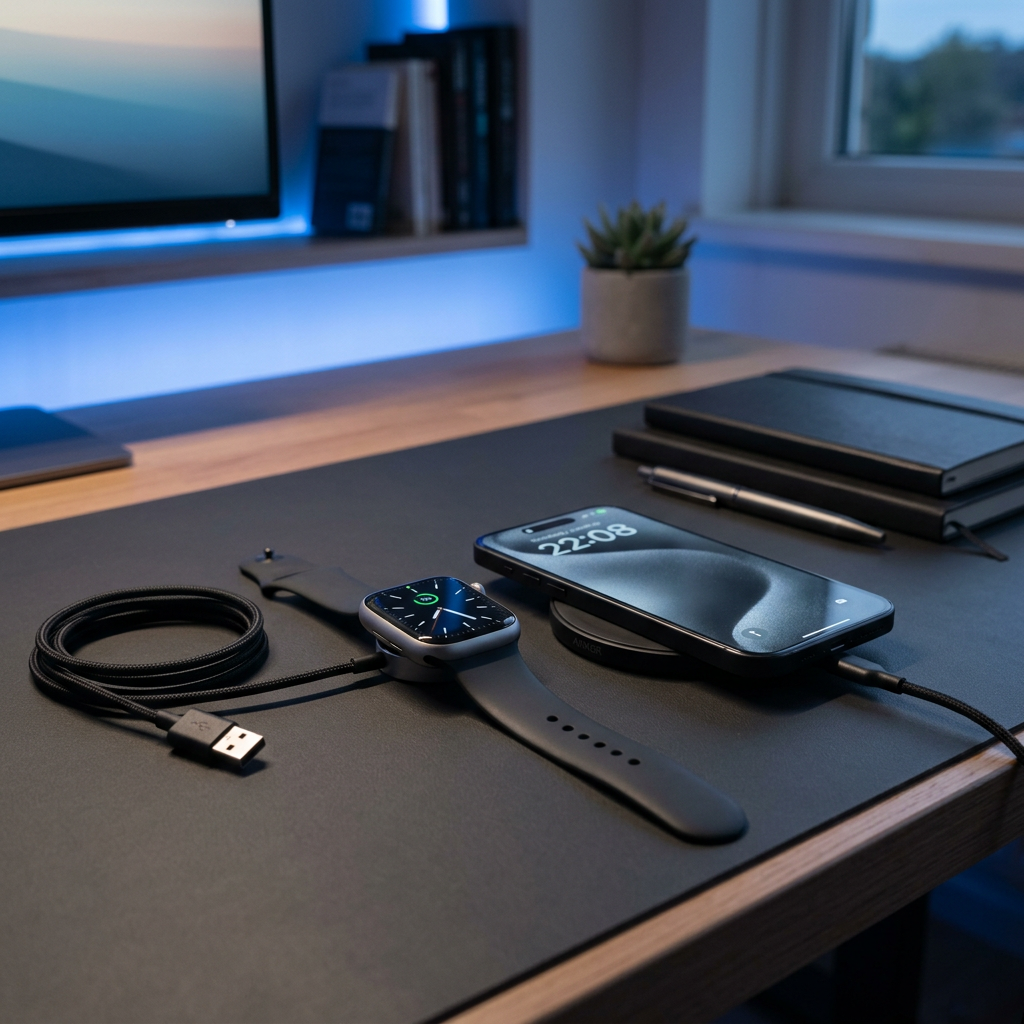
Wireless charging convenience complements extended battery life by simplifying the charging process itself into an effortless action. Rather than fumbling with proprietary cables, connectors, and orientation requirements, users simply place devices on charging surfaces without precise alignment. This frictionless experience encourages opportunistic charging during desk work, sleep, or other stationary periods, maintaining high battery levels without conscious effort or dedicated charging sessions. The elimination of physical charging ports further improves device durability and water resistance by removing potential failure points and entry paths for moisture.
Discover more from The Cameron Journal
Subscribe to get the latest posts sent to your email.