
One of the most persistent myths about Millennials is that we simply refuse to “grow up.” Pop psychology articles, dinner table rants, and even political speeches love to frame my generation as entitled children stuck in a state of perpetual adolescence—living with roommates in our thirties, putting off marriage, and binge-watching nostalgia TV shows instead of building families and careers. But when you step back and actually look at the facts, it’s clear the “failure to launch” narrative is less about us, and far more about a society that quietly moved the goalposts right as we arrived on the field.
I’ve written about this trope many times on The Cameron Journal (see “Millennials Aren’t Adults Because Society Won’t Let Them”). It’s a comfort to some to assign blame to character flaws rather than grapple with the reality: for Millennials, every rung on the classic ladder to adulthood is either broken, or cost-prohibitive. The economy we inherited after 2008 shocked the system. Stable jobs with benefits became unicorns. Healthcare became harder to afford. Student debt ballooned. Rent took a monstrous bite out of every paycheck. Even the idea of “settling down” with a partner became a game of Tetris between work schedules, side hustles, and the relentless search for affordable living.
Milestones Moving
The old milestones—marriage, buying a house, starting a family—are now more a privilege than a presumption. The data backs this up. According to Pew Research Center, the median age for first marriage has climbed above 30 for Millennials, up from 23 for Boomers. The national homeownership rate for Americans under 35 stands at just 39%—about ten points lower than their parents at the same age. Yet, the expectation that these things should simply “happen” is strangely persistent, ignoring the economic quicksand we’re slogging through.
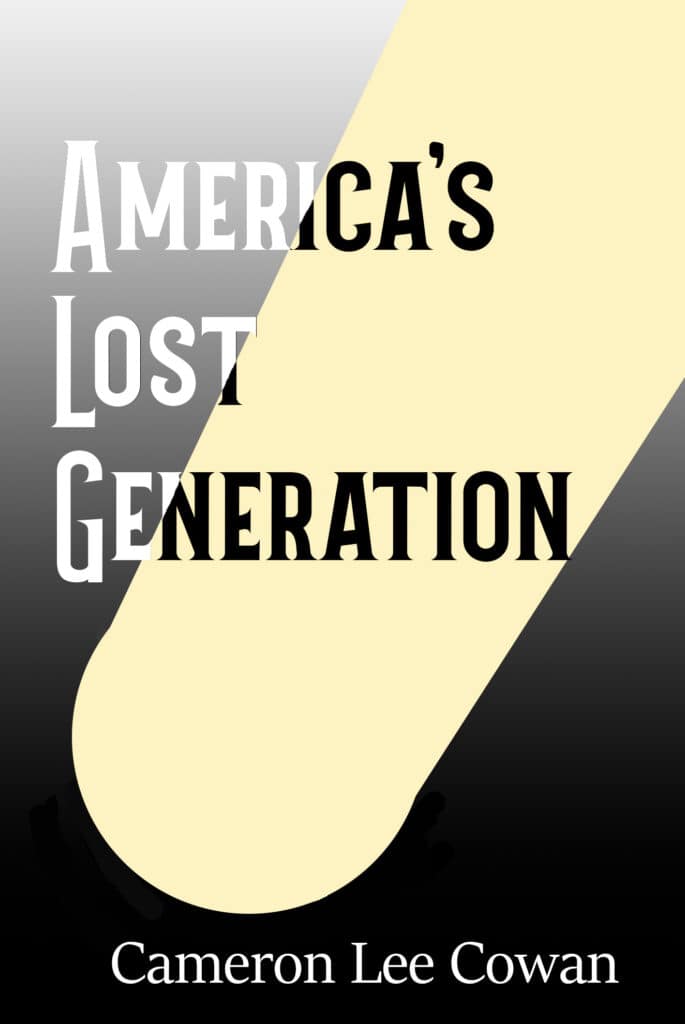
I don’t believe in sugarcoating individual responsibility, but let’s be honest: the rules changed when the game was already underway. As I argue in America’s Lost Generation, Millennials didn’t reject adulthood—we simply found that the blueprint was missing half the pages. Want a stable job? Good luck—those went out the window with the 2008 crash, and many never returned. Want to buy a house? Better hope for generational wealth, because prices have spiked far beyond wage growth, and student debt is a down payment in reverse.
There’s also the constant moving of career goalposts. In “Why Millennials Are Killing Everything” on The Cameron Journal, I discuss how even the markers of workplace success are shifting. Flexible gig work isn’t a luxury for us—it’s a necessity, because the era of pensions and corporate loyalty is past. And when it comes to family? The spiraling costs of childcare, medical bills, and housing are enough to make even the most optimistic couples slow their roll.
It’s tempting for older generations to romanticize their own struggles, but rarely do those stories include the cost of living, the open doors, or the robust social safety nets that supported their transitions to adulthood. My generation is making tough, unglamorous decisions every day—moving home when rent is too high, delaying parenthood for financial survival, patching together multiple jobs to pay for basic needs. These aren’t signs of a lack of grit; they’re acts of resilience in a system that often feels indifferent to our existence.
Japan Offers a Guide?
International comparisons are instructive, too. Just as Japan’s lost generation spent decades bumping up against structural limitations, Millennials in the U.S. aren’t “failing to grow up”—we’re reckoning with the results of policy inaction and economic instability. If anything, we’ve built a new set of adult skills: navigating complex healthcare marketplaces, managing crushing debt, and leveraging online communities for support when traditional institutions fail us.
So, the next time you hear someone recycling the lazy narrative that Millennials are simply refusing to “grow up,” consider what it means to be an adult when the world around you refuses to offer stable ground. The deck isn’t just stacked; it’s being actively shuffled every few years.
If you’d like deeper context, explore essays like “Millennials Antipathy” and “The Millennial Identity Crisis” at The Cameron Journal. There you’ll find stories, data, and reflections on why growing up today means something very different—and demands much more—than anyone admits.
The bigger truth is this: Millennials didn’t opt out of adulthood. We just inherited a world where the borders of adulthood were redrawn without our consent. And despite it all, we’re still edging forward, sometimes against impossible odds, learning to define the next chapter on our own terms.
Discover more from The Cameron Journal
Subscribe to get the latest posts sent to your email.