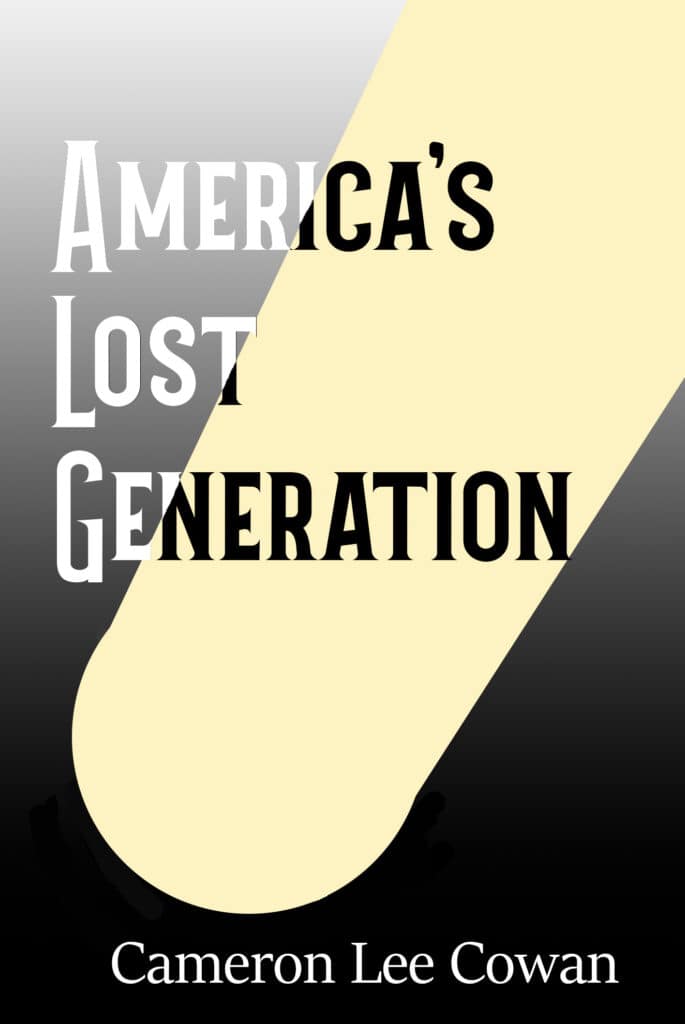
Pre-order America’s Lost Generation now!
America’s Lost Generation is the definitive story of America’s largest and most educated generation. It features real interviews from r/lostgeneration and deep research into how Millennials found themselves with broken social contracts and promises. As Millennials dig into mid-life, where do they go from here? Japan offers us a perspective that I explore but the outlook is not good.
This is a look back at all the new Millennials collection that I have put together including great content from me, videos and much more to highlight what America’s largest and most education generation as gone through and why we need change now!
The Great Recession Was a Generational Fault Line
For Millennials, the 2008 financial crisis wasn’t just a news event—it set the stage for an adulthood defined by uncertainty, stagnating wages, and shattered economic expectations. My own story reflects what happened for many: careers stalled before they even began, and the “normal adulthood” blueprint simply vanished for millions of us.
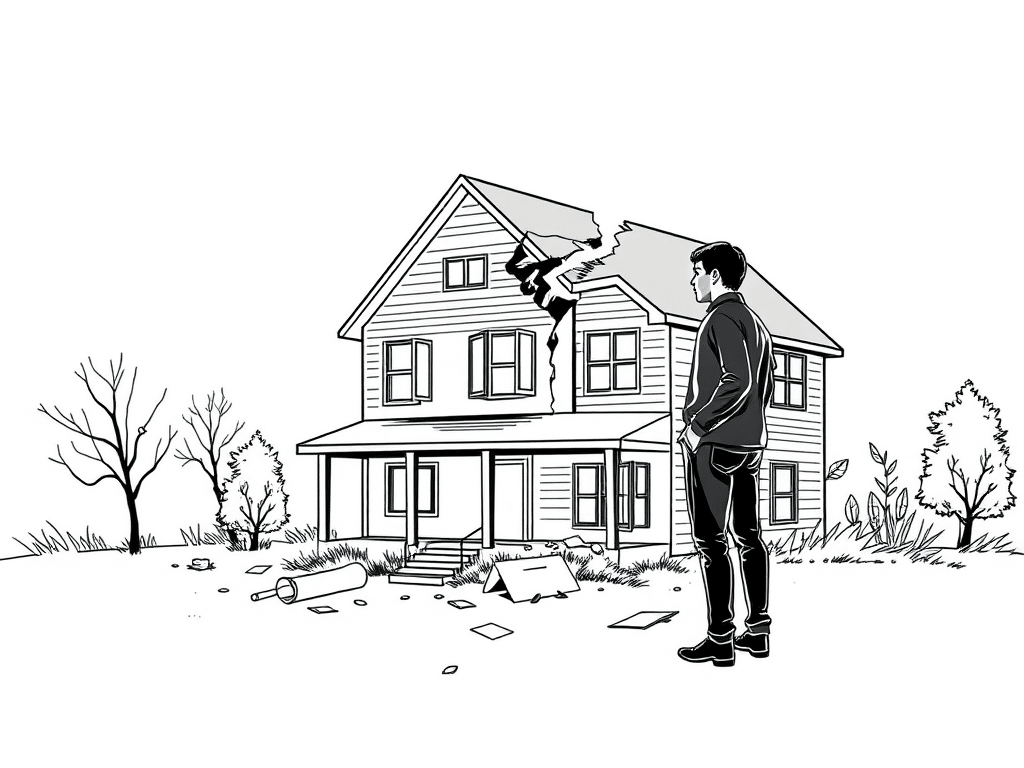
Homeownership Became an Illusion for Many Millennials
While earlier generations measured success in terms of property and stability, Millennials were met with sky-high real estate prices, student debt, and precarious employment. In 2024, the homeownership rate among Americans aged 25-34 remains about 10 percentage points lower than it was for Boomers at the same age (Pew Research Center). For many, owning a home is less a milestone and more a mirage.
Student Debt Shaped Every Life Decision
Our generation came of age believing a college degree was the key to success. Instead, we entered an economy where median starting salaries flatlined while average student loan debt ballooned past $37,000 per borrower as of 2023 (Federal Reserve). Every milestone—from starting families to owning homes—was postponed or derailed by this financial anchor.
The Mental Health Toll Is Profound
Economic precarity and social dislocation didn’t just shape our wallets—they rewired our sense of self. Rates of anxiety and depression have climbed steadily; a 2023 Gallup poll found that 30% of Millennials reported being diagnosed with depression, the highest of any group to date. This chronic stress is a legacy not of personal failing, but of living through permanent crisis.
The US is Repeating Japan’s Mistakes
My research draws a direct comparison to Japan’s “Lost Generation” after their 1990s asset bubble burst. Just like Japan, the US failed to provide real policy answers for a generation shut out of traditional economic life. The lessons? Ignoring the economic trauma of a whole cohort leads to lasting stagnation—socially, economically, and politically.
Millennials Didn’t Fail to Grow Up—Society Moved the Goalposts
It’s too convenient to scold Millennials for failing to “adult.” In truth, everything from stable jobs to affordable healthcare requires navigation through complex, often broken systems. The deck has been stacked, and as I detail in the book, many of the “rules” that worked for Boomers were quietly scrapped once we reached the starting line.
Economic Disenfranchisement Fuels Political Cynicism
Distrust in institutions among Millennials isn’t accidental—it’s a product of broken promises and repeated economic betrayals. We are the least likely generation to think the system works in our favor, and we vote and advocate accordingly. As I’ve argued, meaningful reform will only come when those in power stop blaming individual choices and start fixing structural failures.
Work Has Lost Its Promise of Meaning and Security
The old idea that hard work guarantees stability collapsed for us. Millennials cycle through gig jobs, contract work, multiple careers—often without benefits or retirement plans. The gig economy’s spread means flexibility, but also volatility; nearly 36% of working Millennials are now engaged in freelance or short-term work (Upwork, 2023).
Intergenerational Narratives Obscure Hard Truths
Media soundbites love to divide Boomers, Gen X, Millennials, and Gen Z into warring camps. But as I show in my own experience and research, these divides mask the enduring effects of policy, not personality. Real progress will be made when we shift from generational blame to honest policy critique—because ultimately, everyone wants a fair shot.
There Is Still Room for Hope, But Only If We Act
Despite the many forces stacked against Millennials, our generation has shown resilience, entrepreneurship, and political engagement. If we learn from the failures of past decades—both here and in Japan—we can drive reforms that prioritize equity, mental health, and economic opportunity for all. The story isn’t over, and I hope my book sparks the conversations and actions needed to reshape what comes next.
Discover more from The Cameron Journal
Subscribe to get the latest posts sent to your email.