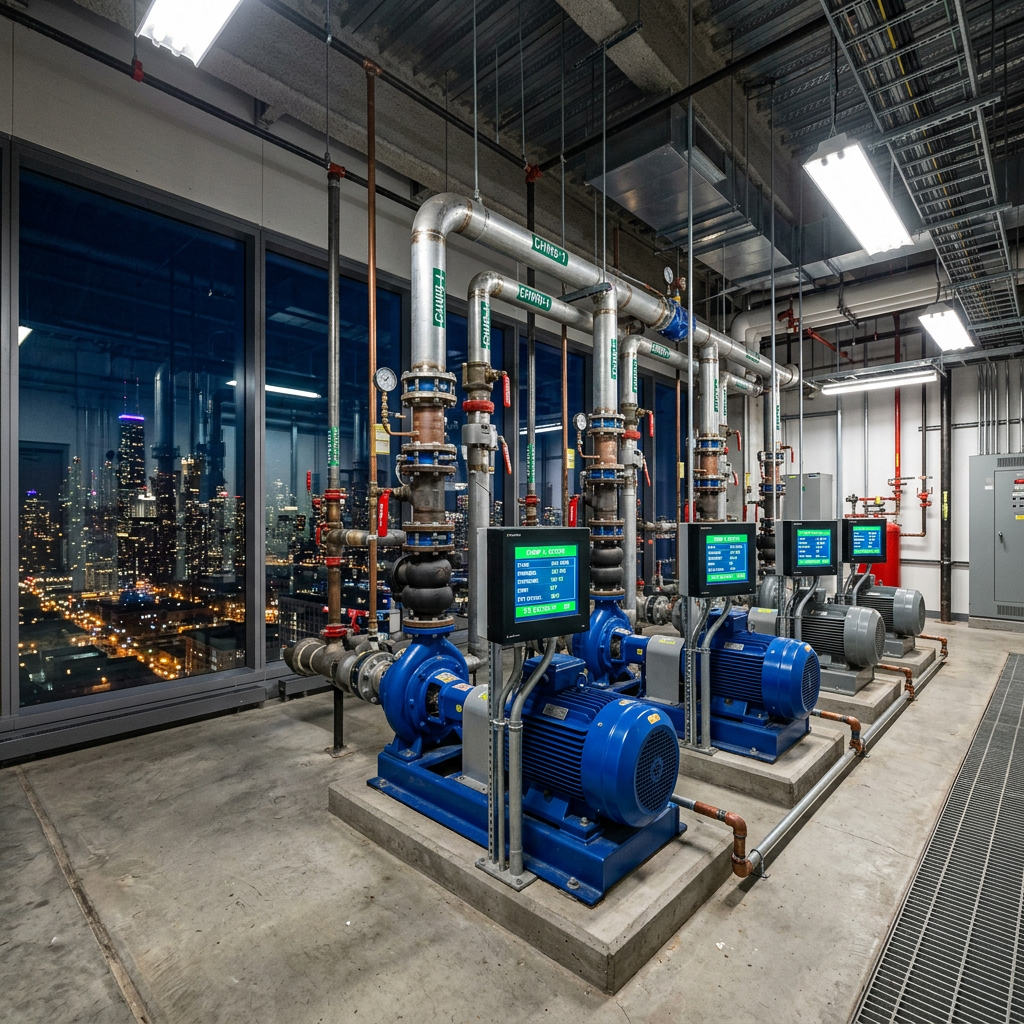
Key Takeaways
- Modern pump technologies are essential for efficient water management in contemporary buildings.
- Innovations include smart pumps, integrated systems, and energy-efficient designs.
- Proper selection and maintenance of pumps can lead to significant cost savings and environmental benefits.
Table of Contents
- Introduction
- Smart Pump Technologies
- Integrated Pumping Systems
- Energy-Efficient Designs
- Applications in Modern Buildings
- Selection and Maintenance
- Future Trends
- Conclusion
As cities become more densely populated and the demand for resource efficiency grows, water management in modern buildings is increasingly reliant on advanced pump technology. Cutting-edge pump solutions are essential for controlling water flow, pressure, and energy use across sprawling urban infrastructures. To stay ahead of regulatory and sustainability demands, building managers and engineers now depend on smarter, more adaptable pump systems. To learn more about the newest pump technologies available, read on for insights that can transform your approach to water management.
Progress in sensor technology, integrated control systems, and energy-efficient pump designs has led to groundbreaking improvements in building comfort, operational cost, and environmental responsibility. Pumps are now built with features that provide instantaneous feedback, optimize water usage, and adjust operation based on real-time demands. This enhances not only performance but also supports efforts toward sustainable urban development.
From integrated systems to energy-saving innovations, the selection and maintenance of pumps can have dramatic impacts on a building’s operational footprint. Modern solutions reduce risk and downtime, streamline maintenance schedules, and even contribute to a building’s resilience in the face of changing water supply and quality concerns.
Safety, efficiency, and lifecycle cost are critical, so understanding today’s pump options should be a priority for any industry professional. As both regulatory frameworks and public expectations evolve, well-chosen pump technologies position properties for long-term success.
Introduction
Modern buildings rely on sophisticated water management systems for safe and comfortable operation. From high-rise apartments to large commercial complexes, the role of pumps is indispensable in maintaining pressure, supporting HVAC functions, and managing wastewater. New pump technologies are rising to meet the unique demands of such environments, where reliability, adaptability, and low energy consumption are vital. Leaders in the field are leveraging these advancements to achieve significant reductions in operating expenses while supporting sustainability goals.
Smart Pump Technologies
Recent innovations have ushered in a new era of smart pump systems. These solutions, such as the Flygt Concertor wastewater system, use advanced sensors and programmable logic controllers to continuously adapt pump performance. They respond to fluctuating building demands by automatically adjusting flow rates and power use, delivering immediate energy savings and reducing operational costs. For example, a smart pump can sense a sudden drop in demand during off-peak hours and modulate its output accordingly, which extends pump life and minimizes environmental impact.
Additionally, the rise of remote monitoring has enabled facility managers to oversee pump performance in real time, enabling data-driven maintenance strategies. By leveraging this proactive approach, building operators can predict failures before they occur and reduce unnecessary repairs.
Integrated Pumping Systems
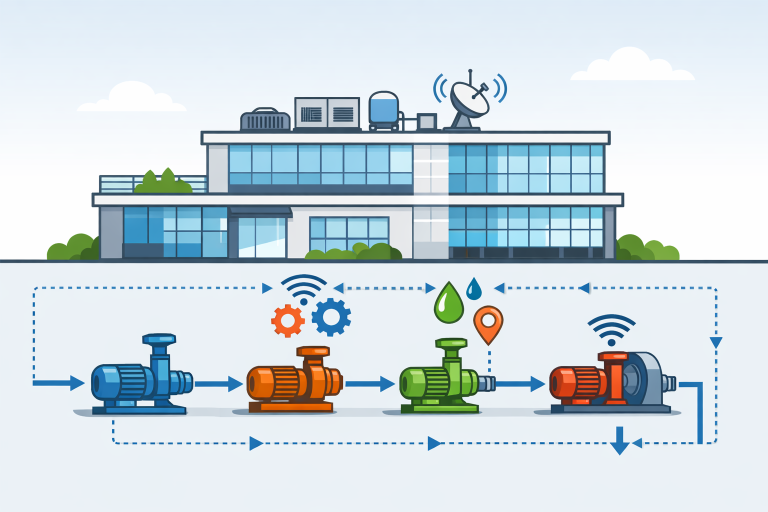
Integrated pumping systems combine multiple mechanical and electronic components into cohesive units that require less space and simplify both installation and ongoing maintenance. A notable example is Armstrong’s Design Envelope Tango, which integrates dual motors and impeller assemblies. This configuration allows one pump to operate while the other is being serviced, which helps avoid service interruptions. The modular approach also makes the system more adaptable to future expansion or changes in a building’s water requirements.
Integrated systems streamline installation by minimizing the number of individual components, which eases coordination during the construction process. Maintenance protocols are also improved, as routine service can be performed on one part of the system without shutting down the entire water supply. Insights into the value of such modularity can be found from resources like Armstrong Fluid Technology, which covers the operational gains from implementing these solutions.
Energy-Efficient Designs
Energy consumption is a major operational cost for building owners. Many of today’s advanced pump models focus on minimizing electricity use, frequently by utilizing technologies such as variable speed drives, high-efficiency permanent magnet motors, and ultra-precise flow control. The Bell and Gossett Series e-90E Smart Pump, for instance, can achieve as much as 70 percent energy savings over traditional fixed-speed units.
These energy savings not only reduce costs but also align with corporate and municipal sustainability initiatives. Incorporating pumps recognized for their efficiency can even facilitate compliance with green building certifications like LEED.
Applications in Modern Buildings
Efficient pumps are central to the operation of many critical building systems:
- HVAC systems: Modern pumps deliver precise flow control, improving temperature regulation and comfort.
- Water supply: Robust and adaptive pumps provide consistent pressure for high-rise buildings and large commercial sites.
- Wastewater management: Intelligent pumps react to variable loads, reducing blockages and contamination risks.
By maintaining optimal water pressure and flow, these next-generation systems prevent downtime and contribute to improved occupant safety and satisfaction.
Selection and Maintenance
Selecting the right pump requires careful analysis of a building’s footprint, occupancy patterns, and peak water demand. Energy rating, serviceability, and integration with building automation systems are all crucial factors. A well-documented maintenance plan helps extend equipment lifespan and reduce the risk of unexpected failure. Predictive and preventative strategies, powered by smart monitoring technologies, offer ongoing insights to head off minor issues before they lead to costly downtime.
Future Trends
Looking ahead, pumps will be even more intertwined with building management and automation systems. New designs are leveraging both IoT and sustainable materials, setting the stage for even greater energy savings and reliability. For example, the Wilo-CO MVI Pressure-Boosting Systems are prepared to meet the pressures and dynamic needs of increasingly complex urban environments. As the industry moves forward, attention will focus not only on efficiency but also on the circularity of materials and low-impact manufacturing processes.
Conclusion
Innovative pump technologies are transforming the way modern buildings manage water. By investing in smart, integrated, and energy-efficient solutions, building professionals can achieve significant operational efficiencies, lower energy bills, and meet sustainability targets. As new advancements continue to emerge, staying informed on the latest pump technologies will remain essential for optimizing building performance and futureproofing valuable assets.
Discover more from The Cameron Journal
Subscribe to get the latest posts sent to your email.