
Table of Contents
- Heat Pump Water Heaters
- Tankless Water Heaters
- Solar Water Heaters
- Smart Water Heaters
- Government Incentives and Rebates
- Choosing the Right System for Your Home
- Conclusion
Providing a dependable, energy-efficient hot water supply is a cornerstone of modern comfort and sustainability in today’s households. As awareness of environmental impact and long-term savings grows, homeowners now enjoy a range of advanced options for their water-heating needs. Whether you are considering an upgrade or building a new home, the right water heater can significantly reduce energy consumption and utility bills. If you are searching for water heaters in Kansas City, it is essential to know the range of technologies available to help maximize comfort, efficiency, and cost savings.
Recent years have seen impressive growth in sustainable home technologies. Innovations in water heating allow you to enjoy consistent hot water while reducing your carbon footprint. From heat pump water heaters to intelligent, app-enabled systems and government-backed incentives, homeowners have more control than ever over efficiency and cost. Understanding these technologies will help you select the best solution for both your energy values and your household’s hot water demands. Advancements are not limited to reduced energy use. Modern options also take into account the comfort and specific needs of homes in various sizes, lifestyles, and climates. Expert consultations are recommended to tailor your selection to your personal usage patterns and preferences. For a deeper understanding of how these updates can fit your lifestyle, consider evaluating not only the up-front costs but also the long-term performance, environmental benefits, and how rebates or incentives can make upgrades more affordable. Comprehensive knowledge empowers you to upgrade your system smartly and efficiently.
Heat Pump Water Heaters
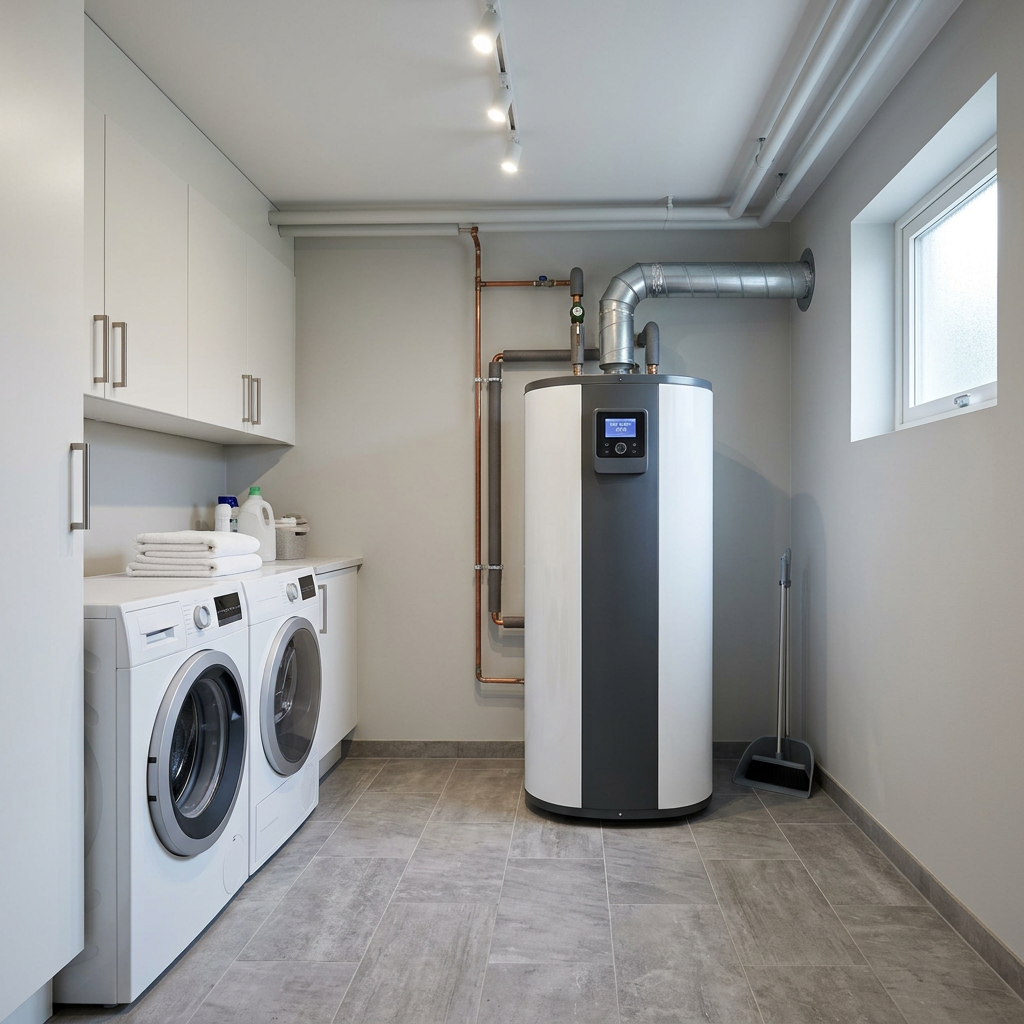
Heat pump water heaters have emerged as a leading choice for those seeking energy savings and advanced performance. These units draw ambient air heat and transfer it to the water, using up to 60 percent less electricity than traditional electric water heaters. For instance, products like the A. O. Smith Voltex Max Residential Hybrid Electric Heat Pump Water Heater have received industry recognition for their energy efficiency. This technology not only saves money over the appliance’s lifetime but also significantly reduces greenhouse gas emissions when compared to standard models. For objective guidance on heat pump water heaters, visit the U.S. Department of Energy’s page on HPWHs.
Tankless Water Heaters
Tankless water heaters, often called on-demand water heaters, supply hot water only as it is needed, which means there are no standby losses from storing hot water. This provides an uninterrupted supply of hot water, ideal for households with varying usage patterns. Units like Trutankless®’s expanded GEN3 lineup are broadening their range for residences and light commercial applications, making this technology suitable for condos as well as larger homes. In addition, tankless systems are generally more compact and can be wall-mounted, freeing up valuable space in utility closets or basements.
Solar Water Heaters
Solar water heaters utilize solar panels or collectors to capture the sun’s energy and heat water. Although installation costs may be higher, these systems can dramatically lower utility bills over time and qualify for federal or state incentives. Solar water heaters work especially well in sunny climates and can be paired with backup systems to ensure hot water availability during stretches of cloudy weather. They reduce dependency on fossil fuels and are a standout choice for homeowners intent on minimizing environmental impact.
Smart Water Heaters
Smart water heaters bring the benefits of connectivity and automation to home hot water management. These systems offer features such as scheduling, leak detection, and remote temperature adjustments via mobile apps. For example, the GE Profile™ GEOSPRING™ Smart Hybrid Heat Pump Water Heater merges heat pump technology with smart controls, enabling you to optimize operation based on your household’s needs and reduce energy waste. With smartphone connectivity, you can easily check performance, change settings, or receive alerts, helping homeowners avoid costly damage or inefficiency.
Government Incentives and Rebates
Many local and federal governments encourage the adoption of energy-efficient appliances through generous rebates and incentive programs. In cities like San Francisco, residents upgrading to efficient heat pump water heaters can receive substantial bill credits. Incentives such as these can help offset the initial investment and make sustainable options more attainable for a broad range of households. These programs evolve frequently, so it’s wise to consult local utility companies or city government websites for the most current offers and eligibility requirements.
Choosing the Right System for Your Home
No single water heating solution is perfect for every situation. To select the optimal system, assess factors such as household size, water-use patterns, your area’s climate, and your upfront budget. Engaging a qualified professional can help you understand the trade-offs and ensure safe, compliant installation. Modern systems offer remarkable gains in comfort, cost, and sustainability. By evaluating your unique needs and leveraging the latest technology, you can upgrade with confidence and realize meaningful benefits for years to come. Modern advancements have expanded the options available to homeowners seeking hot water solutions. By learning about the latest technologies and available incentives, you can make informed decisions that maximize energy savings and improve the comfort and sustainability of your residence.
Conclusion
Choosing an energy-efficient water heater is a smart investment that can lower utility costs, improve home comfort, and reduce environmental impact. Whether you opt for a heat pump, tankless, solar, or smart water heater, understanding the benefits of each system helps ensure the best fit for your household’s needs. By considering factors such as energy efficiency, hot water demand, available incentives, and long-term savings, homeowners can make informed decisions that deliver reliable performance and lasting value.
Discover more from The Cameron Journal
Subscribe to get the latest posts sent to your email.




