Table of Contents
- Digital Painting Technologies
- Overspray-Free Application
- UV-Curable Coatings
- Sustainable Painting Processes
- Customization and Personalization
- Future Trends
Automotive paint technology has rapidly evolved over the past decade, transforming how vehicles are designed, produced, and personalized. The drive for enhanced efficiency and sustainability has prompted manufacturers to adopt new processes and materials, responding to both consumer expectations and environmental regulations. Companies specializing in large-scale painting solutions, including Southern California’s commercial painting contractor, are also integrating advanced technologies to deliver high-quality, environmentally conscious results.
Improvements in digital painting, overspray elimination, UV-curable coatings, and innovative sustainability practices are redefining what is possible for auto manufacturers and body shops. These advances minimize waste, reduce emissions, and open the door to striking visual effects and intricate customizations that were once thought impractical.
Digital Painting Technologies
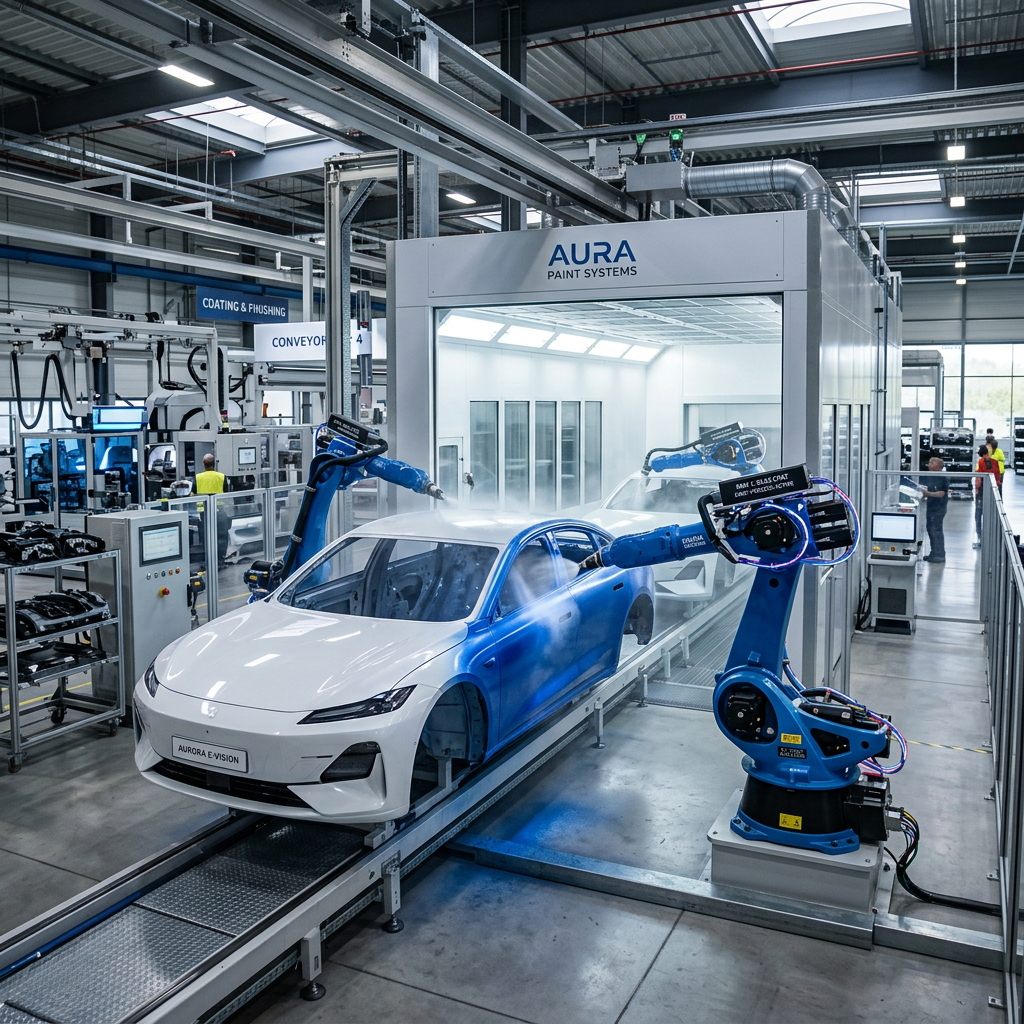
Digital painting technologies, like Axalta’s NextJet™, are transforming automotive manufacturing by enabling precise paint application and complex, customizable designs without the extensive prep work required by traditional methods. These systems reduce labor, energy consumption, and material waste, leading to CO₂ emissions cuts of up to 30%. The use of intelligent software and real-time analytics ensures consistent quality and tighter tolerances in multi-layered patterns, enhancing brand distinction through unique visual signatures. Additionally, improved automation minimizes operator exposure to hazardous chemicals, promoting a safer work environment. Industry leaders are actively investing in R&D to advance AI-augmented digital painting platforms, fostering performance and creativity.
Overspray-Free Application
Overspray has long been a major source of waste and inefficiency in automotive painting. New techniques, like BASF Coatings’ Overspray-Free Application (OFLA), change this dynamic by ensuring 100 percent of the paint reaches the target area, eliminating excess application beyond intended surfaces. Implementation of overspray-free processes at facilities such as Renault’s Maubeuge plant has led to around 25 percent reductions in energy usage and substantial decreases in carbon emissions. These innovations demonstrate that high-quality, sharply defined color breaks and two-tone finishes are now possible at scale, without the negative environmental or economic side effects historically associated with such features.
The introduction of overspray-free approaches also makes the painting process more predictable, reducing cleanup time and the need for solvents to correct errors. Some modern facilities employ closed-loop feedback systems, using in-line sensors to monitor paint deposition minute by minute. This data-driven approach enables instant adjustments, reducing variability and ensuring uniformity across production batches. Furthermore, oversight by digital quality control platforms reduces the likelihood of costly rework, as any irregularities are flagged and remediated before vehicles proceed to subsequent manufacturing stages.
UV-Curable Coatings
UV-curable coatings bring unmatched speed to the automotive painting process. Instead of relying on extended baking cycles, UV technology enables coatings to cure almost instantly under ultraviolet light. Ford Motor Company has championed this approach, pairing digital applications with UV curing to improve the quality and sustainability of finished coatings. UV-cured paints use less energy, produce fewer volatile organic compounds, and help automakers quickly adapt to changing production schedules. According to UV+EB Technology Magazine, this method is gaining traction across the industry as companies push to reduce both production times and their carbon footprint.
Additionally, UV-curable systems are compatible with next-generation materials, such as advanced plastics and composites, which are increasingly used in lighter vehicle bodies. These coatings deliver high scratch resistance, improved weatherability, and support smoother surfaces, enhancing both vehicle appearance and longevity. Many paint suppliers offer custom-tailored UV formulations to precisely match OEM color palettes, expanding their applicability beyond niche luxury or performance segments into broader mainstream adoption.
Sustainable Painting Processes
Sustainability is now a central concern in automotive manufacturing, and painting processes are no exception. Companies like ABB are leading the way with technologies such as PixelPaint, which uses high-precision robotics to apply intricate paint designs efficiently and with minimal waste. By removing manual intervention from complex pattern creation, PixelPaint technology supports energy savings, reduces emissions, and contributes to a safer workplace. Mercedes-Benz’s adoption of PixelPaint at its Sindelfingen plant demonstrates how automakers are merging high-spec artisanship with sustainability goals.
Increasingly, manufacturers incorporate waterborne and low-VOC coatings in their processes to further minimize environmental impact. These advanced formulations reduce the release of hazardous air pollutants compared to conventional solvent-based paints. The trend toward closed-loop recycling systems in paint booths ensures that unused paint and rinse water are recovered and repurposed, dramatically cutting down landfill waste. Additionally, renewable energy integration in painting facilities—from solar panels to green electricity contracts—further aligns automotive paint operations with carbon-neutral production targets.
Customization and Personalization
Automotive consumers increasingly expect the ability to personalize their vehicles’ appearance. Recent advances, including digital painting and PixelPaint systems, let manufacturers offer virtually limitless design options, ranging from bespoke stripes to photo-realistic gradients and complex two-tone finishes, without lengthy setup times or high production costs. These cutting-edge processes allow automakers to meet rising demand for unique visual flair while maintaining efficient, high-quality throughput.
Emerging customization platforms now enable real-time collaboration between consumers and OEMs through online configurators or augmented reality tools. Customers can preview their chosen paint schemes in immersive 3D before committing, fostering confidence in bespoke orders. The flexibility of additive-manufacturing-inspired paint processes also allows for late-stage modifications and small-batch exclusives, catering to both fleet clients and individual buyers. In the luxury segment, especially, value-added custom finishes have become a key differentiator, boosting brand loyalty and perceived exclusivity.
Future Trends
Emerging technologies are poised to significantly transform automotive paint. Researchers are investigating nanotechnology to improve paint durability, self-healing, and color depth, while the “Internet of Paint” (IoP) concept envisions embedded nanodevices in coatings for diagnostics and communication. Though these innovations are not yet widely adopted, they signal continued evolution in the automotive paint sector, focusing on efficiency, sustainability, and consumer satisfaction. Future trends may include intelligent paint systems that adapt to environmental changes and the use of bio-based materials to lessen environmental impact. Collaborations among chemical firms, robotics manufacturers, and auto OEMs are accelerating the introduction of these innovations, supported by advancements in data analytics and AI to enhance automated processes. As regulatory pressures increase, the industry’s commitment to innovation will be essential for developing future vehicles.
Discover more from The Cameron Journal
Subscribe to get the latest posts sent to your email.