Key Takeaways
- Understand the importance of selecting an entry door that complements your home’s architectural style.
- Explore various materials, wood, fiberglass, and steel, and their respective benefits and drawbacks.
- Consider factors such as energy efficiency, security, and maintenance when making your choice.
- Learn about the latest trends and technologies in entry door designs.
The entry door is one of the first things guests and passersby notice about your home. Not only does it serve as the gateway to your living space, but it also reflects your style and enhances curb appeal. If you are shopping for doors in Salt Lake City, the wide variety of options can be both exciting and overwhelming. Focusing on your home’s architecture and practical needs helps ensure your investment will add beauty, value, and security for years to come.
Choosing the right entry door is more than a matter of style. From the material type to insulation, security features, and the latest design trends, your decision can impact energy efficiency, protection, and long-term maintenance. Taking the time to understand these aspects allows homeowners to make informed choices that balance appearance and everyday functionality.
Understanding Your Home’s Architectural Style
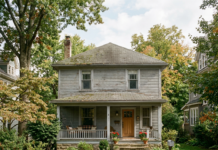
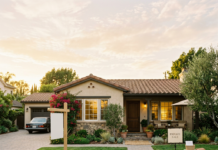
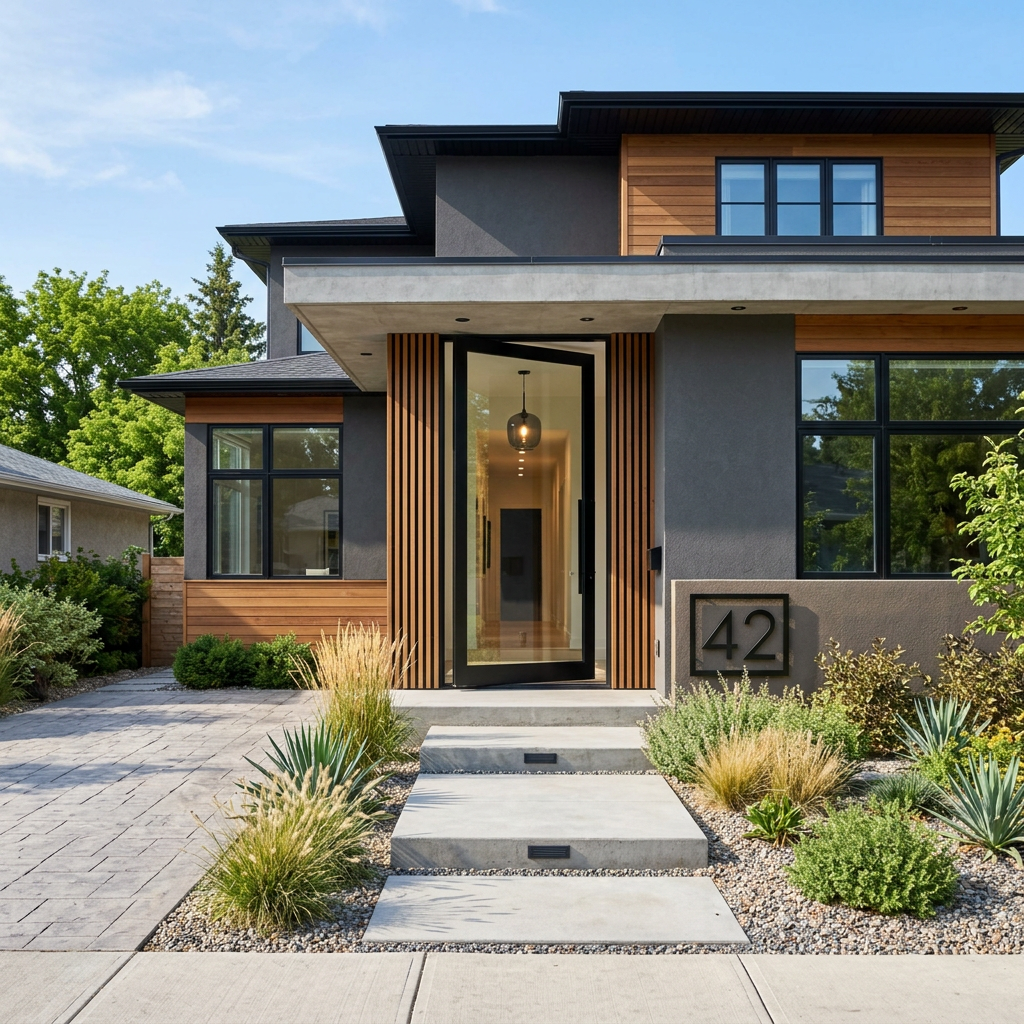
The first step in selecting an entry door is to understand your home’s architectural style. Entry doors should complement both the exterior design and the features of your house. For example, traditional homes such as Cape Cods or Colonial styles typically feature solid wood doors with panels, while mid-century modern or contemporary homes often favor doors with clean lines, minimalist accents, and bold glass inserts. Ensuring a cohesive look between your door and home style not only elevates curb appeal but also preserves the property’s character.
Material Matters: Wood, Fiberglass, or Steel?
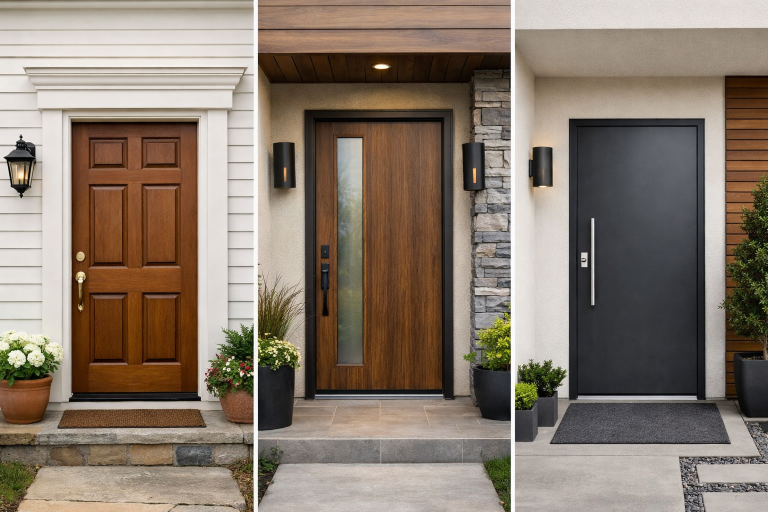
When choosing an entry door material, homeowners often compare three major types: wood, fiberglass, and steel, each offering specific pros and cons:
- Wood: Known for elegance and warmth, wood doors are highly customizable and give a natural finish that stands out. However, they require substantial maintenance and can swell or warp due to humidity or temperature shifts.
- Fiberglass: These doors mimic wood grain while providing strong resistance to weather and wear. They require minimal upkeep and do not crack or rust easily, making them a practical long-term choice, though deep impacts can occasionally damage them.
- Steel: Renowned for security and affordability, steel doors offer great protection and resist shrinking and swelling. They can be prone to dents and may need occasional paint touch-ups to prevent rust.
Energy Efficiency and Insulation
Energy efficiency is increasingly important for modern homeowners, both for comfort and long-term savings on utility costs. Entry doors with insulated cores help to regulate indoor temperatures, keeping warm air in during winter and out during summer. Fiberglass and steel doors generally provide better insulation than solid wood doors, as they can incorporate dense insulating materials. Additionally, high-quality weatherstripping and tighter door frames further improve energy efficiency. When evaluating any door, always check the energy rating and consider how integrated glass panels contribute to or detract from insulation.
Security Features to Consider
Your entry door plays a crucial role in your home’s security. High-quality locks, solid construction, and reinforced frames are essential considerations. Steel doors have the upper hand in security, as they are difficult to force open and resistant to most common break-in techniques. Deadbolts, smart locks, and multi-point locking systems further enhance entryway security, giving you peace of mind.
Maintenance and Longevity
Maintenance requirements vary significantly by door material. Wood doors need periodic staining or painting and close attention to prevent warping and rot. Fiberglass doors require only occasional cleaning with mild soap and water, while steel doors, though mostly low-maintenance, should be checked for scratches or dents that could lead to rust. Keeping up with basic care ensures your entry door continues to perform well and look its best for years to come.
Incorporating Glass Elements
Glass elements are a popular way to bring natural light into your home and add visual interest. Frosted, etched, or decorative glass adds privacy while maximizing sunlight’s benefits. When considering glass, look for double- or triple-paned options, as they offer better energy efficiency and security. Options like sidelights, transoms, or full glass panels can be customized to fit your style and privacy needs.
Latest Trends in Entry Door Designs
Innovative trends are making entry doors both practical and stylish. Homeowners are now gravitating toward bold colors such as deep blues, bright reds, or matte black finishes. Larger glass panels and minimalist trim add a modern flair, while smart technology like keyless entry systems, integrated door cameras, and advanced weatherproofing materials make doors more convenient than ever. These updates blend function with contemporary design, ensuring your entryway stands out for the right reasons.
Conclusion
Selecting the perfect entry door involves balancing style, longevity, security, and efficiency. By paying attention to your home’s architectural needs, exploring the attributes of different door materials, and considering practical factors such as energy efficiency and security, you set the stage for a beautiful, secure, and welcoming first impression. The right entry door not only increases your home’s visual appeal but also adds value and comfort for years to come.
Discover more from The Cameron Journal
Subscribe to get the latest posts sent to your email.