Key Takeaways
- Modern sedation methods are safer and more effective, leading to improved patient outcomes.
- Recent guidelines advocate for enhanced training and standardized safety practices.
- Technological advances are shaping a more comfortable and personalized dental care experience.
Table of Contents
- Evolution of Sedation Techniques
- Updated Guidelines and Standards
- Technological Innovations in Sedation
- Patient-Centered Approaches
- Training and Education
- Future Directions
- Conclusion
In recent years, innovations in dental sedation have transformed the patient experience, making dental visits more comfortable and safer than ever before. The modern focus is not only on reducing pain and anxiety but also on improving overall treatment outcomes. For those who have often avoided essential care due to dental fear, sedation dentistry is bridging the gap, making high-quality oral health accessible to everyone. Recent advancements now allow dental professionals to tailor sedation options to each individual, ensuring a stress-free and supportive environment from start to finish.
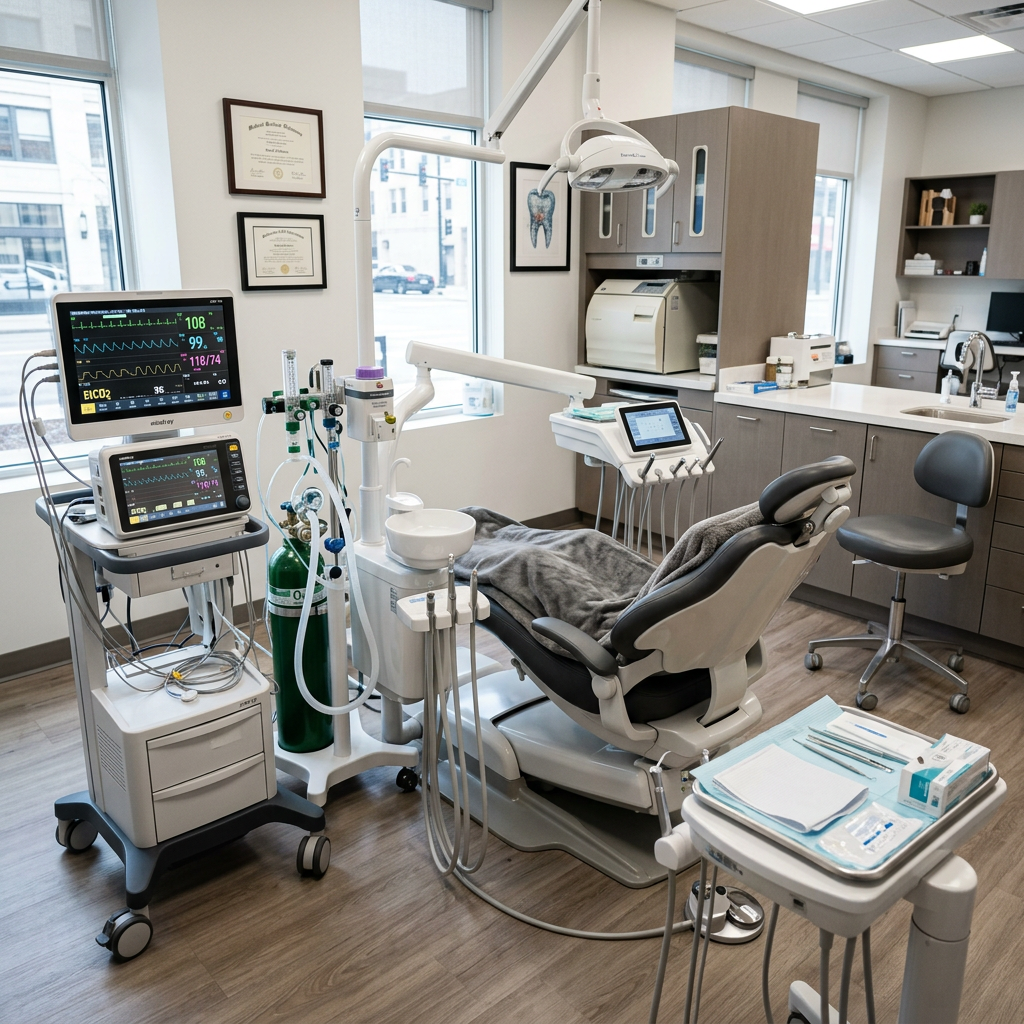
The range of sedation approaches has dramatically expanded, moving beyond traditional nitrous oxide and oral sedatives to more sophisticated choices like intravenous sedation and even general anesthesia when necessary. These procedural breakthroughs have streamlined dental visits and minimized patient discomfort. Updated guidelines and a strengthened emphasis on safety protocols work hand in hand with these innovations, providing both patients and practitioners with greater peace of mind. The evolution of sedation in dentistry is not only a technological leap but also a fundamental change in how dental teams approach patient care.
Evolution of Sedation Techniques
Dental sedation has evolved significantly over the decades. Originally, the field relied mainly on nitrous oxide and oral sedatives to help ease patient anxiety and discomfort. While these methods are still in use today, the introduction of intravenous (IV) sedation and general anesthesia has revolutionized dental procedures for more complex cases or patients with extreme dental fears. One notable innovation is the adoption of medications such as remimazolam, which offers faster effects and a quicker recovery period compared to traditional benzodiazepines. This enables dental professionals to complete treatments more efficiently while keeping patients comfortable and safe. Current sedation protocols allow practitioners to select the degree of sedation best suited for each patient’s unique needs. Whether mild relaxation is necessary or complete unconsciousness is required for extensive dental work, today’s dental teams are equipped to deliver just the right level of care. This adaptability has been instrumental in making dental care more accessible to patients who once put off essential treatments due to fear of pain or anxiety.
Updated Guidelines and Standards
April 2026 marked a pivotal moment in dental sedation when the American Dental Association (ADA) published new, comprehensive guidelines for sedation and anesthesia administration in dental practices. These guidelines represent the most significant revision in nearly ten years and underscore the profession’s commitment to patient safety above all else. Key areas of emphasis include stringent fasting requirements, screening protocols based on body mass index (BMI), standardized oxygen usage, meticulous documentation, and routine emergency drills to prepare for rare complications. Dental professionals are encouraged to follow these updated practices uniformly, ensuring that no matter where patients seek care, they encounter the same high standards of safety and quality.
Technological Innovations in Sedation
The integration of advanced technology into sedation dentistry is elevating the entire patient experience. State-of-the-art tools such as laser drills and computer-controlled anesthesia delivery systems make many procedures virtually pain-free and lessen the need for deep sedation in some cases. These innovations are particularly useful in pediatric dentistry and for adults who have a high sensitivity to pain or dental sounds. Patients can now benefit from shorter visits, less postoperative discomfort, and a more pleasant overall experience in the dental chair. For more information on how technology is shaping pain management and dental anxiety, visit WebMD: Controlling Anxiety and Pain at the Dentist’s Office.
Patient-Centered Approaches
Another significant shift in sedation dentistry is the focus on individualized care plans. Dental teams assess each patient’s anxiety level, health history, preferences, and the specifics of the dental procedure to determine the most appropriate sedation method. This patient-centered approach leads to greater satisfaction, higher success rates for treatments, and increased willingness among patients to return for routine and preventive care. When patients feel heard and involved in their own care decisions, their overall experience improves dramatically.
Training and Education
Continuous education is critical as dental sedation techniques and protocols become more sophisticated. The latest ADA guidelines advocate for ongoing training programs, ensuring all dental professionals remain up-to-date on best practices for patient monitoring, medication administration, and emergency response. Frequent competency assessments help confirm that each practice member can manage sedation safely and confidently. These measures uphold consistently high standards of care and build trust within the community.
Future Directions
Sedation dentistry is poised for further advancements through personalized medicine, harnessing genetic and biometric data to tailor sedation strategies. Research into new sedative agents and delivery systems continues to progress, promising quicker recovery times, fewer side effects, and even greater patient safety. The next era of sedation dentistry will focus on delivering an even more customized experience while prioritizing optimal health outcomes for every patient.
Conclusion
The evolution of sedation techniques has been instrumental in breaking down barriers to dental care, providing a blend of safety, comfort, and personalized attention. By adopting updated guidelines, leveraging innovative technology, and embracing patient-first practices, dental professionals are better equipped than ever before to create positive and lasting oral health outcomes for all.
Discover more from The Cameron Journal
Subscribe to get the latest posts sent to your email.